
Handle Property Leasing easily online

Document management can overwhelm you when you can’t discover all the forms you require. Luckily, with DocHub's vast form library, you can find all you need and swiftly manage it without the need of switching among software. Get our Property Leasing and start utilizing them.

Using our Property Leasing using these easy steps:

  1. Check Property Leasing and select the form you require.
  2. Review the template and click on Get Form.
  3. Wait for it to open in our online editor.
  4. Alter your form: add new information and images, and fillable fields or blackout some parts if needed.
  5. Prepare your form, conserve changes, and prepare it for sending.
  6. When ready, download your form or share it with other contributors.

Try out DocHub and browse our Property Leasing category easily. Get a free account right now!

Video Guide on Property Leasing management

video background

Commonly Asked Questions about Property Leasing

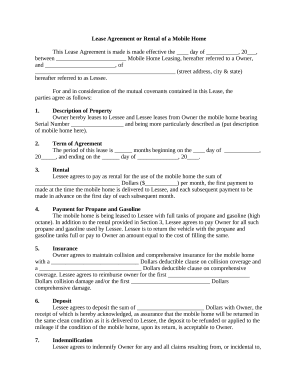
A lessee is a person who rents land or property from a lessor. The lessee is also known as the tenant and must uphold specific obligations as defined in the lease agreement and by law.
The main difference is the length of tenancy. A rental agreement is usually short term or month-to-month, while a lease is typically for a longer period of time, usually six months or more. Find out more about what it means to rent or lease and the pros and cons of each.
A lessor is the owner of an asset that is leased, or rented, to another party, known as the lessee. Lessors and lessees enter into a binding contract, known as the lease agreement, that spells out the terms of their arrangement.
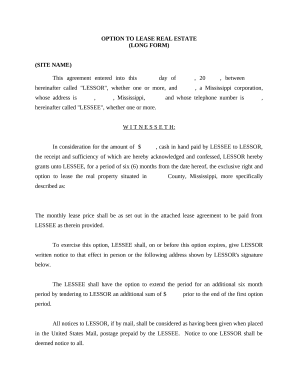
A lease is a contract outlining the terms under which one party agrees to rent an assetin this case, propertyowned by another party. It guarantees the lessee, also known as the tenant, use of the property and guarantees the lessor (the property owner or landlord) regular payments for a specified period in exchange.
In legal terms, a lessee is a person or entity who enters into a contract, known as a lease, with the owner of an asset (the lessor).
A tenant is someone who pays rent for the place they live in, or for land or buildings that they use. Regulations placed clear obligations on the landlord for the benefit of the tenant.
Pros of leasing: No big down payment. No closing costs. No hassle or major expense for maintenance, replacements, and repairs.
What Is a Lessee? A lessee is a person who rents land or property from a lessor. The lessee is also known as the tenant and must uphold specific obligations as defined in the lease agreement and by law. The lease is a legally binding document, and if the lessee violates its terms they could be evicted.