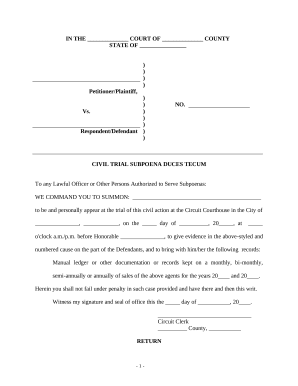
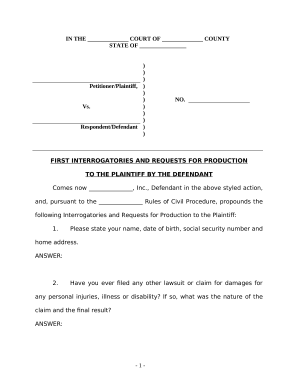
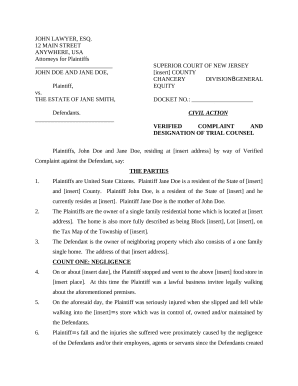
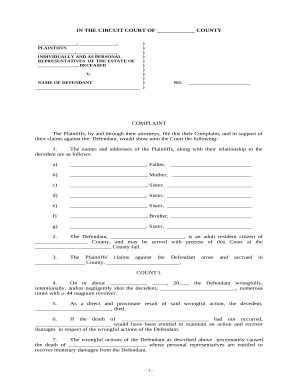
Get and manage Personal Injury Documents online

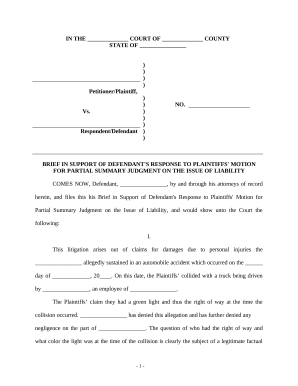
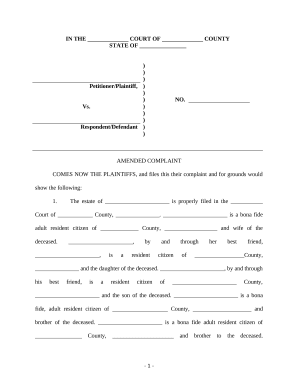
Speed up your file managing with our Personal Injury Documents library with ready-made document templates that suit your needs. Get the document, change it, fill it, and share it with your contributors without breaking a sweat. Begin working more efficiently with the forms.

How to use our Personal Injury Documents:

  1. Open our Personal Injury Documents and find the form you require.
  2. Preview your form to ensure it’s what you want, and click on Get Form to begin working on it.
  3. Change, add new text, or point out important information with DocHub features.
  4. Complete your form and preserve the changes.
  5. Download or share your document template with other recipients.

Examine all the possibilities for your online file administration with our Personal Injury Documents. Get your totally free DocHub account today!


Video Guide on Personal Injury Documents management

video background

Commonly Asked Questions about Personal Injury Documents

Necessary personal injury documentation includes police accident reports, medical records, accident photos, witness statements. It is also smart to keep receipts or bank records to prove any additional expenses, such as travel, medical records, attorney and court fees, that have been incurred due to the accident.
An injury is damage to your body. It is a general term that refers to harm caused by accidents, falls, hits, weapons, and more. In the U.S., millions of people injure themselves every year.
As soon as you can, write down everything about the accident that you can, including the time, location, weather, what you were doing, who was there, and anything else you feel is important. Pay close attention to details, including everything you saw, felt, heard, or did before, during, and after the accident.
Medical reports from treating physicians are necessary to establish the extent of the injuries and the damages. This documentation should include diagnostic images, medical records, and bills that correspond to the treatment received, among other things.
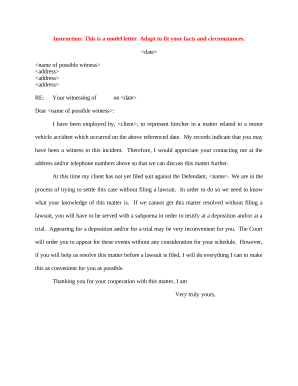
Key elements of a personal injury demand letter Introduction and background information. Description of the incident and injuries. Medical documentation and treatment details. Demand for compensation and (possibly) settlement amount. Contact information and next steps. Create a strong and convincing narrative.
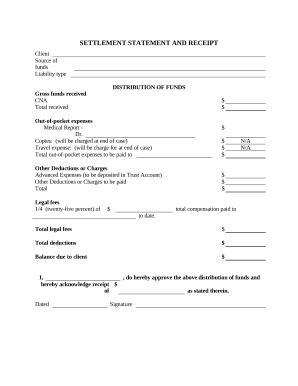
Your claim is settled - either by negotiation or, in a small minority of cases, in court. Succeed and you receive the personal injury compensation you deserve. Youll pay your solicitor from your compensation. This amount is typically slightly less or slightly more than 25% of your damages payment. Personal injury compensation claims - National Accident Helpline national-accident-helpline.co.uk personal-i national-accident-helpline.co.uk personal-i
The personal injury claims process Work out who was responsible. Gather evidence. Assess your injuries. Arrange medical care or rehabilitation. Review recovery. Work out your compensation amount. docHub a settlement. Compensation payment. Whats The Personal Injury Claims Process? - Irwin Mitchell irwinmitchell.com personal guide clai irwinmitchell.com personal guide clai
Writing down your experiences in the hours, days, and weeks after an accident is more accurate than relying on your memory. the underlying incident and how it happened. the nature and extent of your injuries, and their impact on your daily life. any time missed at work and other financial losses, and.
The dates and times of any subsequent medical visits. Photographs of your injuries, including any subsequent scarring. Pictures of the accident site showing the aftermath of the accident (if possible) Diagrams depicting how the accident occurred (e.g., which direction cars were travelling in an RTA)
If you want to take legal action to claim compensation for a personal injury, you will need to get advice from a solicitor specialising in these types of cases. This must be done as soon as possible as there are strict time limits on taking legal action.