
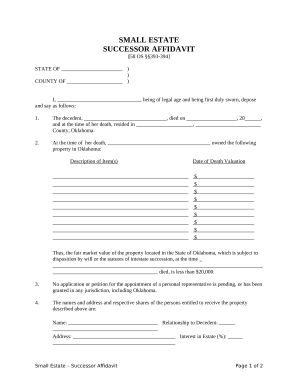
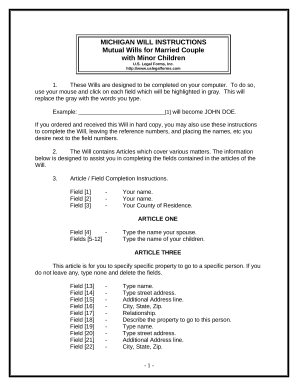
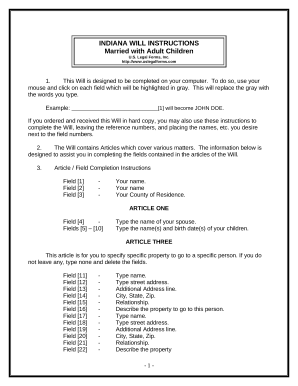
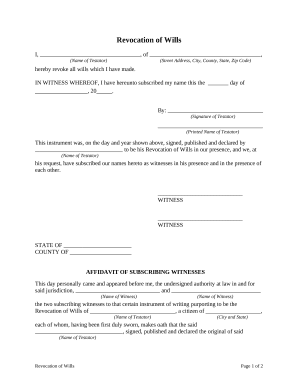
Handle Last Will and Testament quickly online

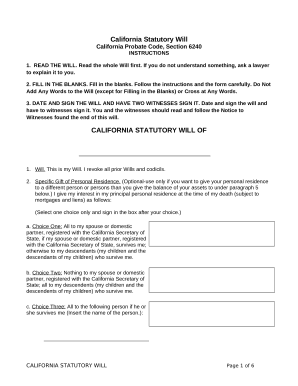
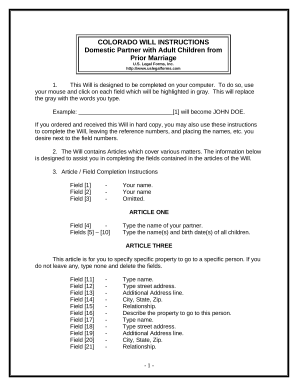
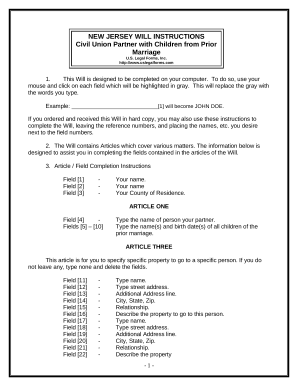
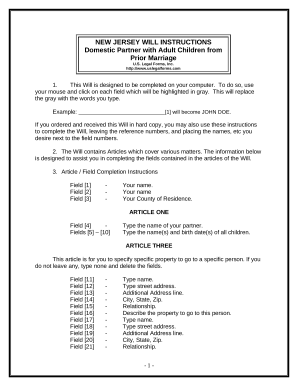
Document managing can stress you when you can’t discover all of the documents you require. Luckily, with DocHub's substantial form library, you can discover everything you need and promptly deal with it without the need of switching between programs. Get our Last Will and Testament and begin working with them.

The best way to manage our Last Will and Testament using these basic steps:

  1. Browse Last Will and Testament and select the form you require.
  2. Review the template and click on Get Form.
  3. Wait for it to open in the online editor.
  4. Edit your form: add new information and images, and fillable fields or blackout some parts if necessary.
  5. Prepare your form, conserve alterations, and prepare it for delivering.
  6. When ready, download your form or share it with your contributors.

Try out DocHub and browse our Last Will and Testament category without trouble. Get your free account right now!


Commonly Asked Questions about Last Will and Testament

The Cons of Having a Will Wills Arent Private. When someone passes away with a will, probate proceedings begin. Wills Dont Have Tax Benefits. Wills Can Be Challenged. Wills Get You Out of Intestacy. Wills Can Include Funeral Preferences. Wills Can Provide for Your Children.
A will is a document that approves you to designate how your property and property are allotted upon your death. The easiest structure of a will is a holographic or handwritten will, which does not require witnesses or lawyers. A holographic will be written absolutely in the testators personal handwriting.
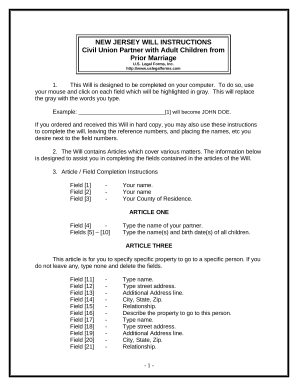
A Will, also known as a Last Will and Testament, is a legally prepared and bound document that states your intentions for the distribution of your assets and wealth after your death. In the event you have children, a valid Will also allows you to designate who will care for them.
A living trust may be better than a will if: You want to maintain privacy over your property or assets. You have several real estate properties. You have docHub financial assets.
For many people, the most important document in their estate plan is their last will and testament. This document will give you a say in how an executor should handle your assets upon your death. Without a will, your estate will be subject to state-created intestacy laws, which dont take into account your preferences.
In fact, a will may be the most important document that you ever write, because it allows you to select the persons who will receive what you own when you die. If you dont have one in place, you cannot select the recipients of your property and the state you reside in will determine how your property is divided.
What are the four basic types of wills? Simple will. A simple willsometimes known as basicis the type most people associate with the word will. With a simple will, you can decide who will receive your assets and name a guardian for any minor children. Testamentary trust will. Joint will. Living will.
How a Last Will and Testament Works. A will and last testament directs the disposition of your assets, such as bank balances, property, or prized possessions. It will detail who is to receive property and in what amount. It can establish guardian arrangements for surviving dependents.