
Landlord-Tenant legal documents
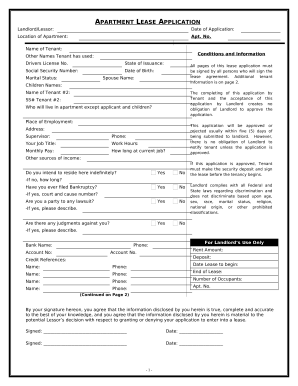
Rental application vermont
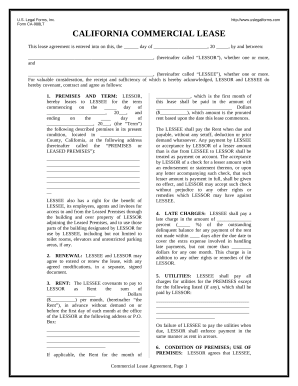
Commercial lease form agreement
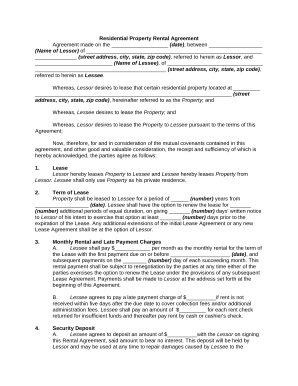
Property rental agreement
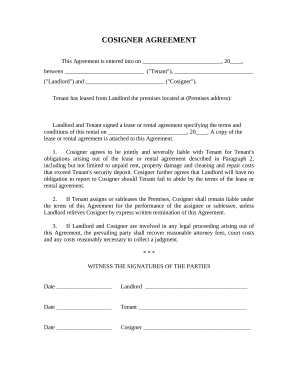
Co signer agreement form
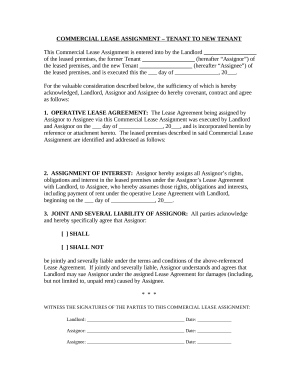
Commercial lease transfer agreement sample
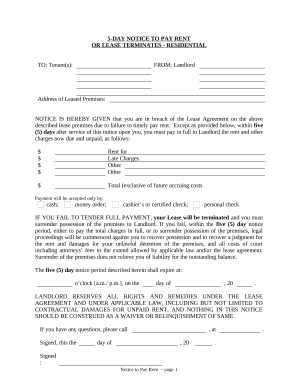
South carolina notice rent
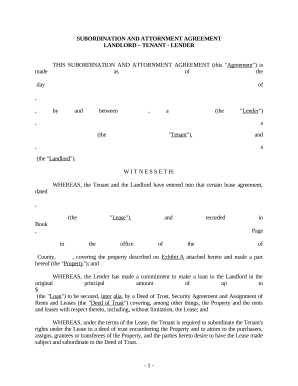
Attornment

Guaranty or Guarantee of Payment of Rent - Washington
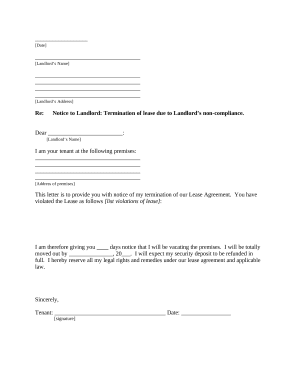
Letter from Tenant to Landlord containing Notice of termination for landlord's noncompliance with possibility to cure - Louisiana

Leasing agreement
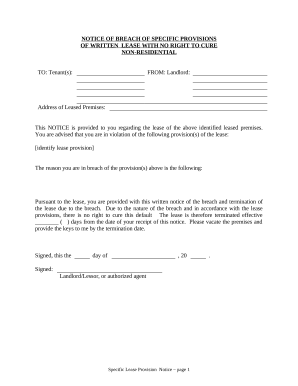
Property landlord tenant
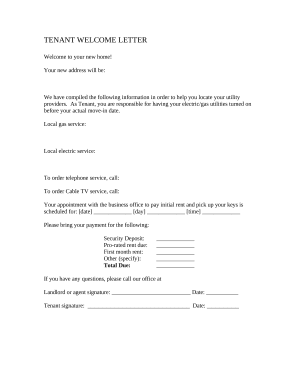
Tenant Welcome Letter - Wyoming

Notice of Intent to Vacate at End of Specified Lease Term from Tenant to Landlord for Residential Property - Georgia
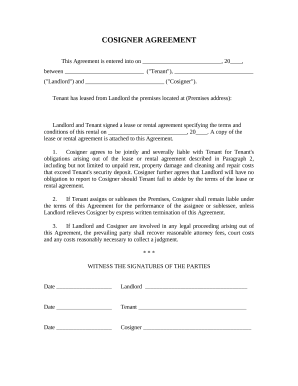
Landlord Tenant Lease Co-Signer Agreement - Hawaii
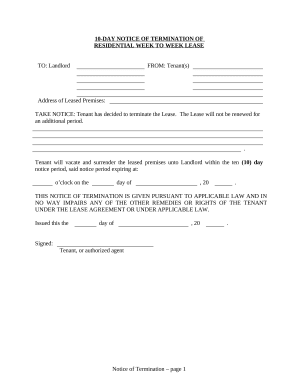
Termination lease property
Letter tenant form
Il landlord tenant
Tenant notice rent increase
Letter from Tenant to Landlord containing Request for permission to sublease - Kentucky
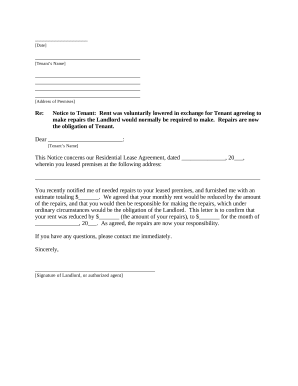
South carolina notice template
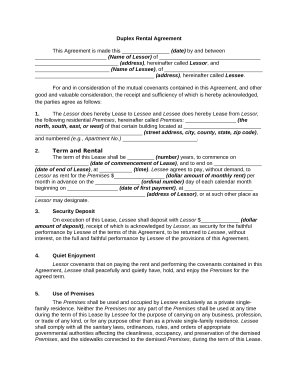
Duplex lease
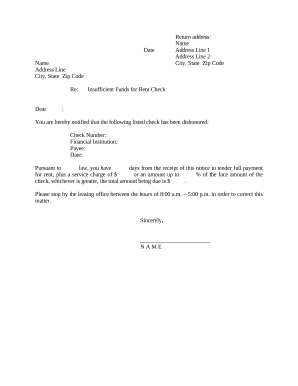
Notification rent

Residential or Rental Lease Extension Agreement - Rhode Island
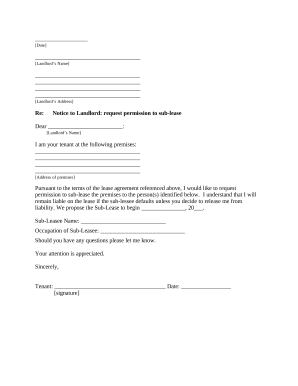
Letter from Tenant to Landlord containing Request for permission to sublease - Nevada
Get and manage Landlord-Tenant legal documents online
Speed up your form management with the Landlord-Tenant legal documents collection with ready-made templates that suit your requirements. Get your document template, alter it, fill it, and share it with your contributors without breaking a sweat. Start working more effectively together with your documents.
The best way to use our Landlord-Tenant legal documents:
- Open our Landlord-Tenant legal documents and search for the form you want.
- Preview your document to ensure it’s what you want, and click on Get Form to begin working on it.
- Modify, include new text, or point out important information with DocHub tools.
- Prepare your form and save the modifications.
- Download or share your form with other recipients.
Explore all of the possibilities for your online document administration with our Landlord-Tenant legal documents. Get a totally free DocHub profile right now!
Commonly Asked Questions about Landlord-Tenant legal documents
How long can a tenant stay after the lease expires NY?
If the tenant does not vacate after the expiration of the thirty days, the landlords counsel can proceed with a holdover eviction action in the appropriate local forum. At this point, the parties, through their attorneys, may attempt to negotiate a resolution to the situation.
What are tenant rights in New York?
Tenants Rights and Responsibilities. In New York City, tenants have many rights relating to the safety and quality of their housing. Tenants should expect to live in safe, well-maintained buildings that are free from vermin, leaks, and hazardous conditions. Laws protect tenants from harassment and discrimination.
Can a landlord choose not to renew a lease in NY?
Landlords may refuse to renew a lease only under certain enumerated circumstances, such as when the tenant is not using the premises as a primary residence.
Can a tenant refuse entry to a landlord in NY?
Tenants have the right to privacy in their rented homes and can refuse entry to landlords who do not provide proper notice or have an illegitimate reason for entry. If this right is violated, tenants can take legal action to prevent continued violations and potentially seek damages.
How much notice does a landlord have to give a tenant to move out in NY?
If you have been living in your home for over a year, your landlord must give at least 60 days notice. If you have been living in your home for more than 2 years, your landlord must give at least 90 days notice. rent as a security deposit. When you move out, they must return the security deposit within 14 days.
How much time does a landlord have to give a tenant to move out in NY?
In New York 5 Page 9 City, 30 days notice is required, rather than one month. Landlords do not need to explain why the tenancy is being terminated, they only need to provide notice that it is, and that refusal to vacate will lead to eviction proceedings.
How much notice do I need to not renew my lease in NY?
They must also notify tenants in writing if they do not intend to renew a lease. Specifically: If a tenant has occupied the unit for less than one year, or does not have a lease term of at least one year, a 30-day notice is now mandatory.
How much notice does a landlord have to give if not renewing a lease in NY?
the landlord of an intention not to renew the lease. (General Obligations Law 5-905). If you have lived in your apartment for less than one year, or have a lease for less than one year, your landlord must provide you with 30 days advanced notice before raising your rent or not renewing your lease.
Related Templates

Notice of Intention to Enter Premises template
The document is a Form 19 Notice of Intention to Enter Premises under the Residential Tenancies Act 1987 (WA). It serves ...

Immunization record form canada pdf
The document is an Immunization Record Form required for children attending school in Canada, ensuring they are appropri ...

OATH BY CREDITOR
The document outlines the procedure for creditors to swear an oath regarding debts owed by a debtor under the Bankruptcy ...

Dcyf forms for special needs
The document is a Special Needs Registration Form designed to collect personal, medical, and emergency contact informati ...

CSE Reimbursement Form EQP5918 - State of Michigan - michigan
The document is a reimbursement request form for septage firms in Michigan to claim costs for continuing education as ma ...

APPLICATION FOR FACILITY RENTAL - Mesa Community College - mesacc
The document is an application form for renting facilities at Mesa Community College, requiring details such as the orga ...

Markel Environmental Contractors and Consultants Application
The document is an application form for contractors and consultants seeking insurance coverage. It requires applicants t ...