01. Edit your home renovation inspection checklist online
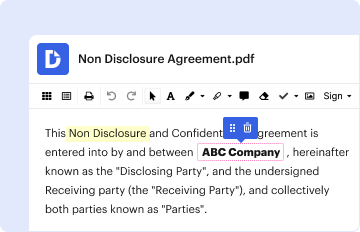
Type text, add images, blackout confidential details, add comments, highlights and more.
02. Sign it in a few clicks
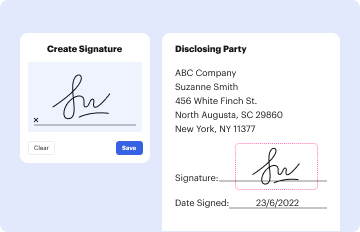
Draw your signature, type it, upload its image, or use your mobile device as a signature pad.
03. Share your form with others
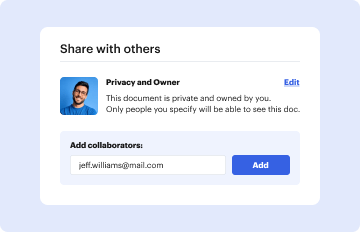
Send renovation inspection checklist via email, link, or fax. You can also download it, export it or print it out.
How to use or fill out renovation inspection checklist with our platform
Ease of Setup
DocHub User Ratings on G2
Ease of Use
DocHub User Ratings on G2
Click ‘Get Form’ to open the renovation inspection checklist in the editor.
Begin by filling out the 'Bathroom Specs' section. Enter your project budget, type of bathroom, current and desired square footage, and location. This information helps your designer understand your needs.
Proceed to the 'Floor Plan/Design' section. Indicate whether you need a designer or plans, and if any walls will be moved. Ensure all necessary permits are applied for.
In the 'Electrical' section, specify if you require service upgrades or additional outlets and switches. Fill in details about lighting preferences as well.
Continue with 'Walls', 'Plumbing', 'Windows', and other sections, providing detailed responses where applicable. This thoroughness aids in accurate project quotes.
Finally, review all entries for accuracy before saving or sharing your completed checklist with contractors using our platform's export features.
Start using our platform today to streamline your renovation planning process for free!
Fill out renovation inspection checklist online It's free
Clean your house. Make sure the inspector has easy access to the furnace, water heater and the electrical panel. Clear the attic access, especially if its inRead more
The purpose of this checklist is two-fold: 1) to answer questions to help employers conduct effective inspections to protect employees from potential hazards onRead more
Cookie consent notice
This site uses cookies to enhance site navigation and personalize your experience.
By using this site you agree to our use of cookies as described in our Privacy Notice.
You can modify your selections by visiting our Cookie and Advertising Notice.