




Here's how it works
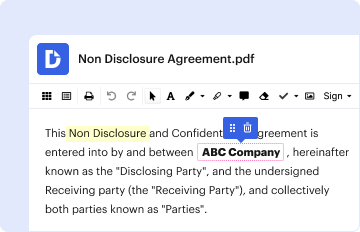
01. Edit your provider credentialing checklist template excel online
Type text, add images, blackout confidential details, add comments, highlights and more.
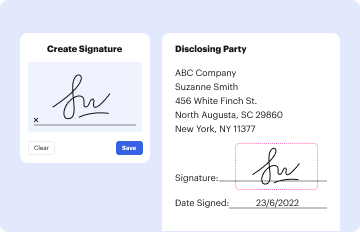
02. Sign it in a few clicks
Draw your signature, type it, upload its image, or use your mobile device as a signature pad.
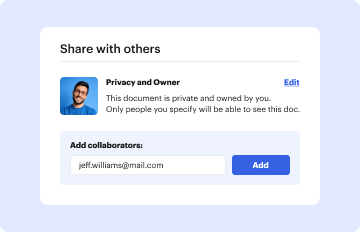
03. Share your form with others
Send credentialing checklist template via email, link, or fax. You can also download it, export it or print it out.
How to use or fill out credentialing checklist template with our platform

- Click ‘Get Form’ to open the credentialing checklist template in the editor.
- Begin with Section II: Identifying Information. Fill in your last name, first name, middle initial, and other names used. Ensure accuracy as this information is crucial for verification.
- Proceed to Section III: Practice Information. Enter details about your office manager and affiliated Tax ID number. This section helps establish your primary contact for credentialing documents.
- In Sections IV and V, provide your pre-medical and medical/professional education details. Include school names, degrees received, and graduation dates to ensure a complete educational background.
- Complete Sections VI through XIII by detailing your internships, residencies, board certifications, medical licenses, and professional liability insurance. Be thorough; any missing information can delay processing.
- Finally, review all sections for completeness and accuracy before submitting the form. Use our platform's features to save your progress or make edits as needed.
Start filling out your credentialing checklist template today for free on our platform!
Fill out credentialing checklist template online
It's free
It's free
Got questions?
We have answers to the most popular questions from our customers. If you can't find an answer to your question, please contact us.
Contact us
What are the two types of credentialing?
Types of credentialing Personal Credentialing. Political Credentialing. Paperless Credentialing.
What are the red flags for credentialing?
1. Unexplained time gaps in work history, practice, or training. 2. Disciplinary actions by medical staff organizations, hospitals, state medical boards, or professional societies.
What are the three types of credentialing?
What is an Example of Credentialing? Professional Credentialing. Facility Credentialing. Payer Enrollment Credentialing.
What is the credentialing process in healthcare?
Credentialing is a vital process for healthcare institutions. In simple terms, it is the process of assessing a healthcare providers academic qualifications and clinical practice history.
Which form of professional credentialing is considered the most restrictive?
Licensure tends to be the most restrictive form of professional regulation; it often is referred to as right-to-practice.
Security and compliance
At DocHub, your data security is our priority. We follow HIPAA, SOC2, GDPR, and other standards, so you can work on your documents with confidence.
Learn more


People also ask
What is checked during a credentialing process?
The physician supplies the information required, including contact information, current CV, education and training history, licensing and certificates, medical group and hospital affiliations, Board certifications, sanctions or malpractice history, proof of liability insurance and peer references.
What are the elements of credentialing?
The Ideal Credentialing Standards for Initial Practitioner Applicants Proof of Identity. Education and Training. Time Gaps. Professional Licensure Verification. DEA and Controlled Substances Certifications. Board Certification Verification. Practice History Timeline Verification. Criminal Background Disclosure.
What comes first credentialing or privileging?
Hospitals and other health care employers and payers both have credentialing processes to complete. Credentialing is closely tied with privileging and is frequently a first step for physicians seeking hospital privileges.