




Overview of the Trailer Use Agreement
A trailer use agreement is a legal document that articulates the terms and conditions under which a user can borrow or use a trailer, typically provided by a storage or rental service. This agreement outlines the responsibilities of both the provider and the user, ensuring all parties understand their rights and obligations during the usage period.
Key Components of a Trailer Use Agreement
The key components are crucial for establishing clear expectations around the usage of the trailer. They typically include:
-
Identification of Parties: This section names the owner of the trailer and the user, ensuring both parties are clearly identified.
-
Description of the Trailer: A detailed description of the trailer, including make, model, and vehicle identification number (VIN), helps prevent disputes regarding the specific item being rented.
-
Rental Term: This specifies the duration for which the trailer can be used, including start and end dates. Understanding the rental term is essential for lawful usage and return.
-
Fee Structure: If applicable, this section outlines any fees associated with the use of the trailer. It should include methods of payment, deposit requirements, and conditions under which fees may be forfeited.
-
Responsibilities of the User: Users must adhere to specific operational guidelines, including the trailer's maintenance and return conditions. This section often holds users accountable for damages or misuse that may occur during the rental period.
Important Terms and Conditions
The terms and conditions section details the specific legal obligations of both parties involved in the agreement. Key terms may include:
-
Liability: The agreement should clarify who is liable for damages resulting from use. Users typically ensure the trailer is returned in good condition and assume financial responsibility for any damages incurred.
-
Insurance Requirements: Depending on the rental company's policy, there may be requirements for insurance coverage during the trailer's use, which protects both parties in case of accidents or damage.
-
Prohibited Uses: This outlines any activities that are expressly forbidden while using the trailer, such as transporting hazardous materials or using the trailer in illegal activities.
Creating a Customized Trailer Use Agreement Template
A trailer use agreement template streamlines the process of drafting a personalized agreement. Users can customize a template based on the following:
-
Legal Language: Incorporate clear, legally appropriate language that adheres to state laws, helping enhance the enforceability of the agreement.
-
Fillable Fields: Set up sections for users to input names, dates, and descriptions. This customization increases the functionality of the agreement, making it easier to fill out for various users.
-
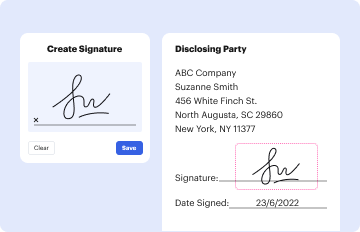
Signatures: Include designated areas for all parties to sign, ensuring both sides agree to the terms outlined in the document.
Common Use Cases for Trailer Use Agreements
Various individuals and businesses may utilize trailer use agreements, including:
-
Individuals Renting for Personal Use: People who need a trailer for moving belongings or recreational purposes, such as camping, can benefit from a clear rental agreement.
-
Businesses in the Moving Industry: Companies that offer rental services can standardize their business processes using these agreements to protect assets and clarify customer obligations.
-
Organizational Event Planning: Nonprofits or organizations hosting events sometimes require trailer use for transportation of equipment, necessitating a formal rental agreement.
Legal Compliance and Considerations
Ensuring the trailer use agreement complies with local and state laws is vital. This includes:
-
Reviewing State-Specific Regulations: Different states may have unique requirements that affect the content or enforceability of the agreement. It is essential for users to research their local laws before entering into the agreement.
-
Consulting Legal Professionals: Users should consider consulting with legal experts to review the agreement, especially if they are unsure about any terms or potential liabilities.
-
Utilizing E-signature Tools: Online platforms, such as DocHub, facilitate secure signing and storing of agreements, simplifying the process and ensuring easy access for all parties involved.
Examples of Trailer Use Agreement Scenarios
Practical scenarios highlight the implementation of a trailer use agreement, offering insights into typical cases:
-
Moving to a New Home: A user agrees to rent a vehicle trailer for a weekend move. The trailer use agreement outlines the rental period, fee structure, and responsibilities in case of damage.
-
Event Logistics for Organizations: A nonprofit organization rents a utility trailer to transport event supplies. The agreement specifies the responsibilities of members tasked with using the trailer and covers insurance stipulations.
-
Business Operations: A landscaping company uses a trailer for transporting equipment. The company drafts a detailed rental agreement to cover duration of use, maintenance expectations, and insurance requirements to safeguard against loss.
Benefits of Utilizing a Trailer Use Agreement
Utilizing a trailer use agreement brings various benefits that enhance the borrowing experience:
-
Clarity: Establishing clear terms prevents misunderstandings and disputes between users and providers.
-
Legal Protection: The agreement serves as a legally binding document that can support claims if issues arise during or after the rental period.
-
Professionalism: Setting up a formal agreement fosters a professional relationship between parties, promoting trust and accountability.
These elements of a trailer use agreement contribute to a structured and effective process, ensuring that both users and providers are protected during the trailer rental period.