




What This Reimbursement Form Does
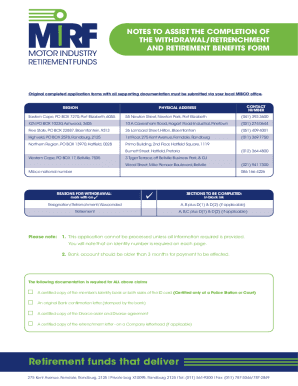
The VantageCare RHS Plan Benefits Reimbursement Form is used to request repayment from a retirement health savings arrangement for eligible medical, dental, vision, or other qualifying health care expenses, depending on the plan rules. In practical terms, it is the document that connects an incurred out-of-pocket expense to a plan benefit payment.
For most users, the form serves as the formal record that supports a reimbursement request. It typically helps the plan administrator identify who is submitting the claim, what expense was paid, when the service was received, how much was paid, and whether the expense falls within the plan’s reimbursable categories.
The form is especially important because reimbursement plans are governed by both the plan’s written terms and, in many cases, U.S. tax rules. That means the form is not just administrative paperwork. It is also part of the documentation trail that supports compliant use of retirement health savings funds.
A common point of confusion is the difference between the service date and the payment date. For this type of reimbursement form, the incurred date usually means the date of service, not the date the bill was paid or the date the expense was submitted. That distinction matters because eligibility often depends on when the care was actually received.
The form may also request that the claimant certify the expense is eligible and has not been reimbursed elsewhere. This is important when coordination with insurance, Medicare, a spouse’s coverage, or another employer plan could affect whether the expense can be paid from the RHS account.
In many cases, the form is used after a claim has already been paid by the participant out of pocket. The reimbursement then returns funds to the participant or another permitted payee, depending on the plan’s process. This makes the form useful for managing cash flow while preserving the tax-advantaged nature of eligible benefits.
Who Commonly Uses It
The VantageCare RHS Plan Benefits Reimbursement Form is generally used by retirees, former employees, and eligible dependents who participate in a retirement health savings plan or similar benefits arrangement. It is often associated with individuals who are no longer actively earning wages but still have qualifying health care expenses.
Plan participants are the most common users because they are the ones with the direct right to request reimbursement from the account. In some situations, a spouse or dependent may also be the person whose expenses are being claimed, as long as the plan rules allow reimbursement for those family members.
A retiree might use the form to recover costs for a physician visit, prescription medication, dental work, or vision care. Another participant might use it for premiums or other plan-approved expenses if the plan permits those categories. The exact eligible list depends on the plan document, not just the form itself.
Beneficiaries or authorized representatives may also interact with the form if the participant is incapacitated or deceased, although that depends on the plan’s administrative procedures and any applicable estate or authorization rules. In those cases, supporting legal documents may be required before reimbursement can be processed.
Human resources staff, benefits administrators, and third-party plan service teams also use the form indirectly because they review submissions, verify documentation, and determine whether claims meet plan requirements. Their role is often administrative rather than discretionary, since plan terms typically control payment eligibility.
The form may be used by people in different retirement pathways, including public-sector retirees, participants in employer-sponsored retiree health arrangements, and individuals receiving ongoing benefits tied to prior employment. The common thread is that the expense must fit within the plan structure governing the RHS account.
Key Fields and Information
The most important part of the reimbursement form is the section that identifies the claimant and the account. This usually includes the participant’s name, address, phone number, identification number, and sometimes employer or plan details. Accurate identification reduces delays and helps ensure the request is matched to the correct account.
Another core area is the expense information. This often includes the provider’s name, the type of service, the date of service, and the amount billed or paid. Because reimbursement depends on the expense being clearly documented, incomplete or vague descriptions can lead to follow-up requests from the administrator.
Many forms ask for the reimbursement method or payment destination. This may include a mailing address, direct deposit information, or instructions for how the check should be issued. If the participant has changed bank accounts or moved recently, those details should be current to avoid returned payments.
Supporting certification language is also common. The claimant may need to confirm that the expense was incurred, not previously reimbursed, and not claimed from another source. Some forms include a statement about tax consequences or plan compliance, which functions as an acknowledgment rather than a separate legal contract.
If the plan requires it, the form may include a dependent certification section. That section helps establish whether the person receiving the health care is a qualified spouse or dependent under the plan. This is particularly relevant when the expense is not for the participant alone.
Depending on the plan’s design, additional fields may be used to track recurring expenses or partial reimbursements. For example, a participant might submit the same provider invoice in stages if the plan reimburses only the eligible portion or if the provider bills in installments. In those cases, keeping the amounts and dates aligned is especially important.
Documents Usually Required
Most reimbursement requests need an itemized proof of expense rather than a simple balance-due statement. An itemized statement usually shows the provider name, patient name, date of service, service description, and amount charged. This is more useful than a generic receipt because it confirms what the expense actually was.
A receipt showing payment may also be necessary. For many claims, the administrator needs to see that the expense was paid out of pocket and not left outstanding. A credit card slip alone is usually not enough if it does not show what services were purchased.
If the form is being used for prescriptions, a pharmacy receipt or prescription benefits statement may be needed. For medical visits, an explanation of benefits or physician invoice may help support the claim, especially when insurance has paid part of the bill and only the remaining balance is being requested.
For premiums or recurring expenses, supporting paperwork may need to show the coverage period, premium amount, and policyholder name. The documentation may need to distinguish between eligible health coverage and ineligible non-health components if both appear on the same bill.
Additional documentation may be required when the claim involves a dependent, an unusual service, or a situation involving coordination with another benefit source. Examples include:
- A spouse or dependent relationship document, if requested by the plan.
- A Medicare premium statement, if premiums are eligible under the plan.
- A letter of medical necessity, if a service has special approval requirements.
- A canceled check or bank statement, if proof of payment is needed.
It is also common for administrators to reject altered documents, illegible copies, or statements missing key details. A document that only lists a total balance without identifying the service may be insufficient. Clear, complete records usually move through review more efficiently.
How to Complete the Form
The first step is usually to identify the participant and the account correctly. The name on the form should match the plan account records, and any account number or participant ID should be entered exactly as shown in plan materials. Small errors can delay processing or cause a claim to be misrouted.
Next, the expense details should be entered carefully. The service date should reflect when care was received, not when the bill arrived. The provider name should match the supporting document, and the expense category should describe the service clearly enough for the reviewer to understand what was purchased.
After that, the claimant usually lists the reimbursement amount requested. This amount should correspond to the eligible out-of-pocket cost after any insurance payment, discount, or adjustment. If the provider billed more than the participant actually paid, the request should typically be limited to the eligible amount supported by the receipt.
If the form asks for a distribution method, that section should be completed with up-to-date information. Direct deposit details should be checked carefully if the form permits electronic payment. If a paper check is requested, the mailing address should be one where the participant can reliably receive mail.
The certification section should be reviewed before signing. Many claim forms include statements confirming that the expense is eligible, not previously reimbursed, and submitted in accordance with plan rules. Signing usually indicates that the participant understands those statements and accepts responsibility for their accuracy.
A practical example helps illustrate the process. A retiree visits a dentist on March 3, pays the invoice on March 10, and submits a reimbursement claim on March 15. The form should list March 3 as the incurred date, attach the itemized dental bill and receipt, and request reimbursement only for the amount actually paid out of pocket.
Eligibility and Plan Rules
Eligibility for reimbursement is controlled by the underlying RHS plan document. That means the form itself is only one part of the process. Even if the paperwork is complete, the expense still must fall within the plan’s eligible categories and comply with any account restrictions.
A common eligibility rule is that the expense must be medical in nature and incurred after the participant became eligible under the plan. Some plans limit reimbursement to expenses for the participant, spouse, and dependents, while others may also cover premiums or specific post-retirement health costs.
The timing of the expense matters. If the plan only reimburses current or post-retirement expenses, an older service date may not qualify. In addition, some plans restrict reimbursement until a participant has formally retired or reached a certain age or service threshold.
Coordination with other coverage is another important rule. If a claim has already been paid by insurance, Medicare, another reimbursement account, or a third-party arrangement, only the remaining eligible out-of-pocket amount may be available under the RHS plan, if at all. Double reimbursement is usually prohibited.
Some plans also include minimum submission thresholds, recurring claim rules, or deadlines tied to the plan year. For example, a plan may allow recurring premium reimbursements on a monthly basis but require one-time medical claims to be filed within a certain number of months after the service date.
Edge cases often involve mixed-purpose bills. If a statement includes both eligible and ineligible items, only the eligible portion should generally be claimed. An example would be a bill that includes a cosmetic service alongside a medically necessary procedure. In that case, the participant would need to separate the eligible amount and provide clear documentation.
Submission and Review Process
Once completed, the form is typically submitted to the plan administrator or designated claims processor. Submission methods may vary by plan and can include online upload, email, mail, or fax, depending on the administrative setup. The form instructions usually govern which methods are accepted.
After submission, the administrator reviews the claim for completeness and eligibility. That review usually includes checking the service date, the patient name, the provider information, the amount requested, and the supporting documents. If anything is missing, the claim may be suspended pending additional documentation.
Processing time can vary based on volume, the quality of the documentation, and whether the claim raises a question about eligibility. Straightforward claims with complete itemized records may move faster than claims involving recurring premiums, dependent verification, or partial insurance payments.
If the claim is approved, reimbursement is issued according to the plan’s payment method. In some cases, the payment may be sent by check, while in others it may be deposited electronically. The participant should keep copies of the form and all supporting documents for personal records.
If the claim is denied or partially denied, the administrator usually identifies the reason. Common reasons include missing documentation, ineligible services, incorrect dates, or failure to show that the expense was actually incurred. A denied claim may sometimes be corrected and resubmitted if the plan allows it.
A useful real-world scenario is a participant who submits a premium bill without the full coverage statement. The administrator may be unable to tell whether the bill relates to eligible health coverage or includes non-eligible coverage, such as optional add-ons. In that case, a revised statement may be needed before the claim can be approved.
IRS and Tax Considerations
Because reimbursement from a retirement health savings arrangement can have tax consequences, the form should be completed with careful attention to tax compliance. The IRS generally expects distributions from tax-advantaged arrangements to be supported by eligible expenses and proper records, even when the plan is employer-sponsored or retiree-related.
The most important tax concept is substantiation. The participant should be able to show that the expense was incurred, that it qualifies under the plan, and that the reimbursement does not duplicate another tax benefit or insurance payment. Documentation is often the best protection against tax problems later.
In some cases, the reimbursement may be tax-free if it is used for a qualified medical expense under the plan and applicable tax rules. However, the exact treatment depends on the type of account, the nature of the plan, and whether the expense meets federal standards. That is why the plan’s rules and tax guidance need to be read together.
Another important issue is the difference between a claim submitted for reimbursement and an expense claimed for a separate tax deduction or credit. A participant generally should not use the same expense in a way that creates an improper double benefit. The plan administrator may not determine tax filing outcomes, so the participant remains responsible for proper reporting.
Retiree health savings arrangements can involve specific plan design rules that affect when money can be used and what records must be retained. A reimbursement form may be acceptable for plan processing but still need to be supported by records retained for tax purposes. These recordkeeping requirements often extend beyond the date of reimbursement.
A practical example is a participant reimbursed for a doctor visit and then later reviewing tax records. The participant should keep the invoice, receipt, and plan approval notice together, since those records may help confirm that the payment was handled correctly if there is ever a tax or plan audit question.
Common Mistakes to Avoid
One of the most common mistakes is entering the billing date instead of the date of service. That can lead to confusion about whether the expense was incurred within the eligible period. For reimbursement forms tied to health savings rules, the service date is usually the key date.
Another frequent error is sending incomplete documentation. A statement that only shows the amount owed may not be enough without the provider name, patient name, and service details. Administrators often need all of those pieces to determine eligibility.
Participants also sometimes request reimbursement for amounts that were already paid by insurance or another source. The form should generally reflect only the remaining eligible out-of-pocket amount, not the original full bill if part of it has already been covered elsewhere.
Unsigned forms, missing certifications, and unreadable copies are also common reasons for delay. Even when the expense itself is eligible, an unclear or incomplete submission can require additional review. This can be especially frustrating when the form is needed for recurring monthly expenses.
Some claimants forget that the plan may have special rules for dependents, premiums, or prior-year claims. A claim that seems ordinary in a general sense may still fail if it does not fit the plan’s precise terms. That is why the plan document and form instructions should be read together, not separately.
Another issue appears when participants submit bundled bills. For example, a hospital invoice may include an eligible treatment, a room charge, and a non-eligible convenience fee. If the supporting paperwork does not separate those amounts, the claim may be partially approved or delayed until the eligible portion is clearly identified.
Practical Claim Examples
A retiree submits a claim for a specialist visit that occurred on April 18. The participant attaches an itemized invoice, proof of payment, and the reimbursement form showing the correct service date and requested amount. This is the simplest version of a successful claim because the expense is straightforward and well documented.
Another example involves recurring prescription costs. A participant may submit several pharmacy receipts over the course of a quarter, each showing the medication name, fill date, and patient name. If the plan allows recurring submissions, the form can be used for each batch or as a combined claim, depending on the administrator’s rules.
A more complicated case occurs when insurance pays part of a procedure. The participant’s provider charges $1,200, insurance pays $900, and the participant owes $300. The reimbursement form should usually claim only the $300 out-of-pocket portion, supported by the explanation of benefits and the remaining balance receipt.
A dependent care-related medical expense may require extra verification. If a participant claims a child’s orthodontic bill, the form may need to show the child’s name and relationship to the participant, along with the provider’s detailed statement. If the plan only covers spouses and dependents, this relationship evidence becomes especially important.
A premium reimbursement example can involve retiree medical coverage. If the participant pays a monthly premium for eligible coverage, the form may need the premium invoice, the coverage period, and the policyholder name. If the bill includes optional add-ons, those amounts may need to be separated out before the claim is processed.
A final edge case involves a claim submitted long after the service date. Some plans allow this if the expense still falls within the plan’s filing window, while others do not. In practice, late filing can be one of the easiest ways for an otherwise eligible expense to be denied, which makes timely recordkeeping important.