





Prud’hommes claim form overview
The “form online” in this context refers to the French labour court claim form, usually associated with request number 15586*09, used to submit a matter to the conseil de prud’hommes. It is the document employees, and in some cases other labour parties, use to start a formal dispute about an employment issue. The form is typically completed in French and is designed to present the facts, the parties, and the remedies being requested in a clear, structured way.
In a U.S.-centric reading, this is best understood as a formal dispute filing, not a general workplace complaint. It functions much more like a court pleading than a simple intake sheet. The form helps the court identify the employer, the employee, the employment relationship, the issue in dispute, and the legal basis for the request.
The reference to Articles 57 of the French Code of Civil Procedure and the Labour Code matters because this is not a casual statement of grievances. It is a procedural document with required content, and missing information can affect how the court processes the case. That is why the online version, when available through a document platform, can be especially helpful for organizing the information before submission.
The form is used in disputes involving wages, termination, unpaid overtime, notice periods, harassment claims, contract classification, and other employment-related issues. Each of these scenarios requires a slightly different level of detail, but the same core structure usually applies.
For users searching for a “form online” solution, the practical value is in understanding what the form is, what it asks for, and how to complete it accurately before filing. The online format does not change the legal substance of the request, but it can make drafting, editing, and sharing significantly easier.
Because this is a French legal filing, the terminology, deadlines, and supporting documents are shaped by French procedure rather than U.S. state or federal rules. That means the most useful guidance focuses on the form’s legal role, the information it contains, and the way it is prepared for court use.
What the form is used for
This form is used to bring a labour dispute before the conseil de prud’hommes, which handles conflicts arising from an employment relationship. It is the initial filing that begins the case, so its purpose is both procedural and substantive. It identifies the dispute and sets out what the claimant is asking the court to decide.
Common examples include claims for unpaid wages, unpaid bonuses, wrongful dismissal, severance-related disputes, or challenges to a disciplinary measure. In many cases, the form also supports requests for damages, payment of salary arrears, or correction of employment records. A worker may also use it to request recognition of an employment status that was misclassified.
The form is not usually the final place where every legal argument is presented. Instead, it creates the foundation for the case. That means the facts must be presented clearly enough for the court and the opposing party to understand the dispute, even if additional legal briefing follows later.
In practical use, this document can serve employees, former employees, and, in some circumstances, parties involved in an employment-related contractual disagreement. The form generally asks for identifying details, the nature of the dispute, the amount sought, and supporting references.
A useful way to think about it is as a structured court entry point. It is not just a narrative letter. It is a formal claim document with fields and attachments that help the court classify and manage the dispute efficiently.
Who typically files it
Employees are the most common filers of this form. They may be still employed, recently dismissed, or already separated from the employer when they submit it. The most common filing situations involve pay disputes, contested termination, working time issues, or workplace misconduct claims.
Former employees often file after separation because the full impact of the dispute becomes clearer once wages stop, termination papers are issued, or final settlement amounts are reviewed. For example, a worker may file after receiving a dismissal letter that they believe lacks proper cause, or after noticing unpaid overtime on final pay records.
In some matters, the form is filed with legal assistance from an attorney, union representative, or another qualified advisor. That support can be especially helpful where claims involve multiple legal theories, several employers, or complex compensation calculations.
Small business owners may also encounter this form as respondents rather than filers. If they receive it, they need to understand that it is a formal court claim and should review the allegations carefully. The quality of the initial filing often affects the pace of the dispute, even if it can later be clarified or amended.
Cases involving interns, apprentices, fixed-term workers, or employees with irregular schedules can also lead to use of the form. These situations often require careful description of the contract type and the periods at issue so the court can assess the claim correctly.
Information usually required
The form generally asks for the claimant’s identity, contact details, and address. It also identifies the employer or employers involved, including the legal entity name and contact information. When a business has several related entities, it is important to list the correct one, since naming the wrong party can delay the case.
The filing also usually includes the nature of the dispute. This means explaining what happened in plain, factual language. For example, the claimant might describe missed wages over several months, a contested dismissal date, or refusal to pay accrued holiday compensation.
The requested relief must also be stated. That can include specific monetary amounts, reinstatement requests, corrections to employment documents, or damages. When amounts are included, they should be tied to a clear explanation, such as unpaid salary, overtime, notice pay, or statutory entitlements under French labour law.
Supporting details often matter as much as the main narrative. Relevant details can include the start date of employment, job title, pay structure, work schedule, termination date, and whether any prior notices or warnings were issued. If there were prior exchanges, the form may also reference them so the court can understand the sequence of events.
Common fields and data points include:
- Party identification, including full legal names
- Employment dates and job role
- Disputed amounts and how they were calculated
- A short summary of the legal and factual basis of the claim
- Any attached evidence, such as pay slips or termination letters
How to complete it online
Completing the form online usually begins with gathering the employment records that support the claim. A person filling it out needs the basic identity details of both parties, the employment timeline, and a summary of the issue. Without that information, it becomes difficult to complete the claim accurately and consistently.
The next step is to enter the facts in the correct sections, making sure the dates and names match the supporting documents. For a labour dispute form, consistency matters a great deal. If the termination date on the form differs from the termination letter, the discrepancy should be resolved before filing or explained clearly.
The claim description should be specific and factual rather than emotional. For example, “wages were unpaid for March and April” is more useful than “the employer treated me unfairly.” The online format is most effective when the user writes in short, direct statements that can be verified with documents.
When the form asks for requested remedies, each item should be listed separately if possible. A claim for unpaid salary, overtime, and notice compensation is easier to evaluate when each item is identified on its own line or in a clear numbered format. This helps the court, and it also helps the claimant keep the figures organized.
Before saving the completed version, it is important to review all attachments. Pay slips, contract copies, internal emails, and termination notices are often used to support the filing. The online format can make it easier to keep the draft readable, but it does not reduce the need for documentary support.
Supporting documents and evidence
The most useful attachments are the records that confirm the employment relationship and the dispute. That often includes the employment contract, recent pay slips, termination documents, time records, and written communications with the employer. If the claim concerns unpaid wages, documents showing hours worked and amounts paid are especially important.
A claimant may also include exchange records that show they raised the issue before filing. Examples include emails asking about missing pay, letters contesting a dismissal, or written responses from the employer. These materials help establish the timeline and show whether the matter was already addressed informally.
In some cases, medical certificates, workplace incident reports, or witness statements may be relevant. This is more common in harassment, safety, or disability-related disputes. The form itself may not require every item to be attached at the time of filing, but a well-supported filing is usually easier to process.
Financial documents should be reviewed carefully for accuracy. If overtime, bonuses, commissions, or severance are part of the claim, the numbers should be supported by calculations that can be followed. In a court setting, a clear explanation of how an amount was derived is often more persuasive than a single unsupported total.
Examples of useful evidence include:
- Employment contracts and amendments
- Pay slips and payroll summaries
- Dismissal letters or resignation-related correspondence
- Time sheets, schedules, or clock-in records
- Emails, text messages, and meeting notes
Legal significance and filing rules
This form has legal significance because it initiates a formal labour dispute. It is not merely administrative. Once submitted, it can trigger court review, party notification, and procedural deadlines. That is why accuracy and completeness are so important from the start.
The reference to French procedural provisions means the filing must satisfy specific formatting and content expectations. In practice, that usually means identifying the parties, stating the facts, setting out the claims, and including required attachments. If any of those elements are missing, the court may ask for clarification or require correction.
The legal claims should also align with the facts presented. For example, if the dispute concerns unpaid overtime, the filing should reflect the relevant periods and the evidence used to support the overtime calculation. If the dispute concerns dismissal, the filing should reflect the termination date, the reason given, and the requested remedy.
It is also important to understand that a labour court form may interact with limitation periods. Even when a claim is valid, filing too late can reduce or eliminate available remedies. The exact time limits depend on the type of claim, so the filing date should be treated as a critical procedural point.
The form’s legal role becomes even more important when multiple claims are combined. A filing might include salary claims, dismissal-related claims, and correction of records. Each claim can have different legal consequences, so the form should present them in a way that remains easy to follow.
Online versus paper filing
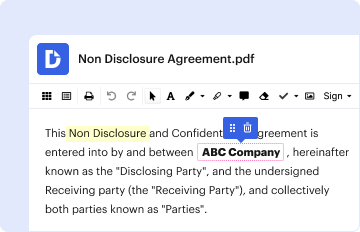
The online version is helpful because it supports drafting, editing, and document organization before submission. It can reduce formatting problems, make corrections easier, and preserve a cleaner record of the final content. For people handling a detailed labour dispute, that can be a meaningful advantage.
Paper filing may still be used depending on the filing channel, court practice, or user preference. Some people prefer paper when they are working from signed originals, physical evidence, or a legal representative’s packet. In those cases, the same information is still needed, but it is entered by hand or printed after completion.
The online format is especially useful when the filing requires revision. It is easier to update the amounts claimed, correct a date, or refine the narrative without recreating the entire document. That can matter when the user receives new payroll records or a revised termination document before filing.
There are also practical differences in legibility and consistency. Typed online forms are easier for courts and opposing parties to read than handwritten forms, especially when there are multiple claims or several parties involved. This can reduce avoidable processing problems.
Some users combine both methods. They prepare the claim online, save or print the final version, and then submit it in the required procedural format. That approach keeps the content organized while still respecting the court’s filing requirements.
Common filing mistakes
One frequent mistake is misidentifying the employer. This can happen when the worker names a brand name instead of the legal entity that hired them. In a labour dispute, the legal entity matters because it determines who is formally responsible for the employment relationship.
Another common issue is vague claim wording. If the form says only that the employee was “treated unfairly,” the court may not have enough information to assess the dispute. A better filing describes the specific issue, the relevant dates, and the remedy being requested.
Missing calculations are also a problem. If the claim seeks wages, overtime, notice pay, or damages, the amounts should be supported by a clear explanation. Without that, the court may have to ask for additional information, which can slow the process.
Incomplete attachments can create delays as well. For example, if the claimant references a dismissal letter but does not attach it, the filing may appear unfinished. The same is true if the contract, pay slips, or wage records are central to the claim and are not provided.
Common errors include:
- Using the wrong employer name
- Leaving dates unclear or inconsistent
- Listing amounts without explanation
- Omitting key documents
- Writing overly broad or emotional descriptions instead of factual ones
Practical filing examples
A worker who was not paid for several months may use the form to claim salary arrears, overtime, and any related compensation. The filing would usually describe the employment period, identify each missed payment period, and attach pay records showing the mismatch between work performed and wages received.
A dismissed employee may use the form to challenge the termination and request damages. In that situation, the filing may focus on the date of termination, the reason stated by the employer, and the employment history that supports the claim. The supporting documents often include the dismissal letter, prior warnings if any, and the final pay statement.
A worker with a classification dispute may file if they believe they were assigned duties above their official job title without proper pay. The form would need to describe the actual duties performed, the contract title, and the compensation difference being claimed. This type of case often depends on detailed factual records.
A person dealing with unpaid commission may also use the form online. In that case, the filing should explain the commission plan, the sales periods involved, and the amounts allegedly owed. The stronger the recordkeeping, the easier it is to present the claim clearly.
In each example, the value of the online form is that it allows the user to organize the dispute into a structured submission. That structure helps the court understand what is being asked and why.
Related terms and versions
This filing is often described by its official request number, 15586*09, and may be associated with phrases such as “requête,” “conseil de prud’hommes,” or “employment tribunal claim.” Using the official terminology helps avoid confusion, especially when multiple labour forms or procedural documents are involved.
Some users may encounter older or related versions if a court or administrative source refers to a prior layout or a different administrative formatting standard. Even when the form appearance changes, the core filing purpose often remains the same: to present the labour dispute in a structured, court-ready format.
Related terms that can appear in the same filing context include:
- Claimant and respondent
- Labour court or prud’hommes
- Employment contract
- Unpaid wages
- Dismissal or termination dispute
Understanding these terms is helpful because the form may use formal procedural language that is unfamiliar to people outside French employment law. When the terminology is clear, the filing process becomes more manageable and the evidence is easier to match to each claim.
If the form is completed through an online document platform, users often benefit from the ability to revise the wording, preserve a clean copy, and organize attachments. That does not replace legal review, but it does support a more accurate and readable submission.


