





What an online form means
An online form is a digital version of a paper form that people complete in a browser, often from a desktop or mobile device. It can collect personal details, signatures, selections, dates, supporting information, and acknowledgments without requiring printing or scanning. In many U.S. workflows, an online form also functions as a record of consent, intake, or authorization, depending on the document type.
In practice, “form online” can refer to several different workflows. Some people mean filling out an official government form on the web. Others mean converting a PDF or Word file into a fillable form, then sending it for completion and signature. In business settings, it may also describe a client intake packet, a human resources onboarding form, or a sales authorization form completed through a secure web editor.
A digital form is most useful when the information must be collected in a structured way. Examples include:
- tax-related forms, such as a W-9 or 1099-related intake form
- employment forms, such as emergency contacts or direct deposit authorizations
- legal forms, such as a consent, release, or signature page
- school or healthcare forms, such as enrollment or intake documents
A form online is often designed to reduce manual errors. Required fields can prevent incomplete submissions, dropdowns can standardize responses, and signature fields can preserve the signing process. This creates a cleaner workflow than paper, especially when multiple people need to review or sign the same file.
Many online forms are also designed to support accessibility and remote work. A person can complete a form from home, in an office, or while traveling, as long as they have browser access. For teams that rely on cloud storage, this can help keep documents aligned across Google Drive, Dropbox, OneDrive, or email-based workflows.
When the form is tied to a legal or regulated process, the online version must still reflect the same substance as the paper version. That includes correct naming, complete fields, accurate dates, and any required signatures or acknowledgments. In those cases, the format changes, but the underlying obligation does not.
How to complete a form online
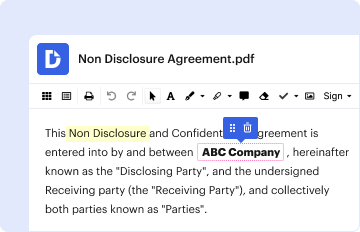
Completing a form online usually begins with opening the document in a browser-based editor or filling platform. If the file is already fillable, the fields are ready for typed input. If it is a flat PDF, it may need text boxes, checkboxes, date fields, or signature fields added before it can function like an interactive form.
A typical completion process includes:
- Opening the form in a secure online editor.
- Reviewing all instructions, notices, and required sections.
- Entering data in text fields, date fields, and dropdowns.
- Selecting checkboxes or radio buttons where applicable.
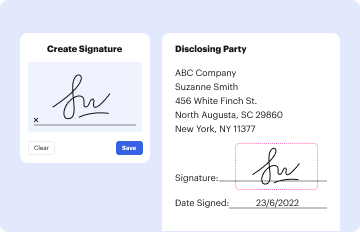
- Reviewing signature requirements and applying the correct signature method.
- Checking for errors, missing fields, or mismatched names.
- Saving, exporting, or sharing the completed version.
The details matter because many forms are rejected or delayed for basic errors. A common example is a mismatch between the name on the form and the legal name associated with the signer. Another example is an incomplete address, which can matter for mailing records, tax processing, or identity verification. Even when the form is simple, precision is important.
Good online form workflows often include validation features. For example:
- required-field indicators help prevent missing entries
- field formatting can guide phone numbers, dates, or tax identification numbers
- signature routing can ensure the right person signs first
- comments or notes can explain special circumstances
A person filling out a form online may also need to attach supporting documents. This is common in administrative, legal, and financial settings. For example, a contractor may attach a business license, a student may attach enrollment verification, or a taxpayer may attach identity documents if required by the process.
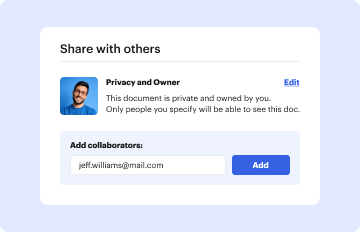
In multi-party situations, the order of completion can matter. One signer may need to finish before another can review or sign. Online tools often allow assignment of specific fields to specific participants, which reduces confusion and helps prevent someone from completing another person’s section by mistake.
Required information and supporting documents
The information required for a form online depends on the type of form, but many forms share similar categories of data. These often include identity information, contact details, selection fields, dates, and certification statements. Some forms also require an explanation, a signature, or proof of eligibility.
Common information fields include:
- full legal name
- mailing address
- email address and phone number
- date of birth, when identity verification is needed
- business name, when the form relates to an organization
- tax identification number or other official identifier
- dates, event details, or reference numbers
Supporting documents vary widely depending on the form’s purpose. For a tax or payment-related form, the user may need a Social Security number or Employer Identification Number, along with address confirmation. For a legal form, supporting documentation may include identification, a court reference, or evidence related to the matter. For a business form, there may be formation records, licenses, or authorization letters.
Some forms require documents that prove eligibility. Examples include:
- a government-issued ID for identity confirmation
- proof of address for residency-based processes
- proof of enrollment for student-related forms
- business formation documents for entity-specific forms
- prior filings or notices for amendment or correction requests
A form online may also ask for disclosures. These can include statements about accuracy, authorization to share information, consent to electronic communication, or acknowledgment of legal consequences. These disclosures are often not optional, and skipping them can invalidate the submission or delay processing.
Edge cases matter here. For example, a person with a hyphenated name or a suffix like Jr. may need to enter the name exactly as it appears on official records. A business using a trade name may need to distinguish between the legal entity name and the operating name. These details can affect matching, approval, and recordkeeping.
Legal and compliance considerations
A form online can carry legal effect when it is used for consent, authorization, certification, or agreement. In the United States, electronic signatures are often valid under the ESIGN Act and related state laws, provided the process supports consent, attribution, and record retention. That means the digital workflow must be reliable enough to show who signed, when they signed, and what they signed.
For legally sensitive forms, the form’s integrity is important. A complete audit trail can help record:
- who opened the document
- who signed or completed a field
- timestamps for actions taken
- whether reminders or approval steps were used
- whether the document changed after signing
Many compliance issues arise from incomplete or inaccurate submissions rather than the digital format itself. For instance, a form may be legally valid in online form, but still be rejected if the signer lacked authority, the date was missing, or the wrong version was used. The online process does not remove substantive legal requirements.
Certain forms also have state-specific considerations. A document used in one state may still be accepted online, but the underlying legal rule may differ. This is especially relevant for employment, notarization, privacy, healthcare, and family law forms. When a form includes attestations or declarations, the signer should use the version that aligns with the governing jurisdiction.
Electronic consent can also matter. Some processes require the user to agree to receive and sign documents electronically. If that consent is not captured properly, the workflow may need to fall back to paper or another approved method. This is especially common when the form concerns regulated disclosures or long-term recordkeeping.
A final compliance point involves retention. Businesses often need to store completed forms for a certain period for tax, employment, or contractual reasons. Online forms are useful only if the completed document can be saved, exported, and retrieved later in a stable format such as PDF.
Common users and business settings
Many different people use online forms, but the most common use cases cluster around business administration, public-sector processes, and legal documentation. The format is especially useful for remote teams, distributed clients, and organizations that need fast turnaround on signatures and approvals.
Typical users include:
- individuals completing personal paperwork
- small businesses collecting vendor or contractor information
- HR teams handling onboarding and policy acknowledgments
- accounting teams managing tax intake forms
- legal professionals preparing or circulating signed documents
- schools, clinics, and service providers gathering intake details
Business entity type can influence how the form is completed. A sole proprietor may sign personally, while an LLC, corporation, or partnership may need an authorized representative to complete the form on the entity’s behalf. That distinction matters when the form is a tax form, banking form, or contract-related document.
Examples by user type include:
- a freelancer submitting a W-9 to a client
- a corporation completing a vendor onboarding packet
- a partnership authorizing one partner to sign operational forms
- a retired individual updating benefit or account information
- a student completing an enrollment or permission form
Some businesses benefit more than others from online form workflows. Professional services firms, agencies, property managers, construction companies, and healthcare-adjacent organizations often deal with repeated document collection. Online forms help them standardize intake, reduce errors, and track what has been submitted.
Forms can also be used across departments. Finance may need tax and payment details, HR may need employment and policy forms, and operations may need project intake or approval forms. Online completion keeps the document flow organized, especially when several people need to review different parts.

Form versions and variations
Many forms exist in multiple versions, and using the right one matters. A current version may replace an older edition, or a state-specific version may differ from a federal template. Some forms also have related alternatives for different filer categories, jurisdictions, or use cases.
A form online may appear in these variations:
- current official version
- older archival version
- state-specific version
- short form or long form
- fillable version versus static PDF
- English version versus translated or multilingual version
Version control is important because small differences can have major consequences. A changed question, a revised disclosure, or an updated signature block can affect acceptance. This is especially true for tax forms, legal declarations, and regulated applications. If the wrong edition is used, the submission may be treated as incomplete even if the information is otherwise correct.
Some forms also have related alternatives. For example, a generic authorization form may be used instead of a more specialized release in lower-risk settings. In other cases, the exact official form is required, and an alternative is not acceptable. This is common in government, court, and tax-related processes, where the form itself is part of the procedural requirement.
Digital and paper versions can also differ in layout. A form online may include dynamic fields, tooltips, validation, or auto-calculation features that do not exist on paper. Those features can improve accuracy, but they should not change the substance of the request. The legal content must remain consistent with the approved version.
When using an older version for reference, it helps to verify whether the current edition has changed field labels, instructions, or submission methods. A form that once required mailing may now be accepted electronically, or a form that was previously generic may now require jurisdiction-specific details.
Submission methods and storage
Submitting a form online can happen in several ways, depending on the organization and the document type. Some forms are submitted directly through a web portal, while others are completed in an editor and then exported, emailed, or uploaded to a shared system. The best method depends on whether the recipient needs a live submission record, a signed PDF, or both.
Common submission methods include:
- direct online submission through a web form
- saving as a completed PDF and sending it by email
- uploading to a cloud folder or portal
- routing for signature before final export
- printing only when a paper record is specifically required
Storage is often as important as submission. A completed form should be saved in a format that preserves its content and signature information. PDF is the most common archival format because it is widely readable and less likely to shift in layout across devices. For business teams, a searchable file name and a clear folder structure make future retrieval easier.
Some workflows involve multiple storage locations. For example, a completed file may be:
- saved to a local computer
- exported to Google Drive, Dropbox, or OneDrive
- attached to an email thread
- archived in a contract management or records system
There are practical edge cases. If a document is signed in an editor but never exported, it may be difficult to prove completion later. If the wrong version is uploaded, the recipient may reject it. If a form contains editable fields but is sent in an unlocked format, the recipient may make unintended changes. These issues are avoidable when the submission method is matched to the form’s purpose.
For organizations handling sensitive data, access control matters. Completed forms should be stored with the right permissions so only authorized people can view or edit them. This is especially important for forms containing personally identifiable information, financial details, health-related information, or confidential business records.
Practical examples and use cases
A tax-related example is a contractor sending a W-9 form online to a client. The contractor enters their legal name, tax classification, address, and taxpayer identification number, then signs electronically. The client receives a completed version that can be stored for year-end reporting. In this case, the form online reduces back-and-forth and helps standardize vendor records.
A legal example is a consent or declaration form that needs signatures from more than one person. One signer may complete their portion first, then the document routes to the next participant. The form may include conditional fields, such as checkboxes that apply only if a certain situation exists. The online format helps maintain the sequence and keeps the record organized.
A business example is a new client intake form for a professional services firm. The form asks for company name, billing contact, project scope, deadlines, and authorization details. Required fields prevent missing information, and the form can be shared with internal teams once complete. This reduces delays and helps the firm begin work with fewer follow-up emails.
A family or personal example is an identity, benefits, or household form that requires one adult to provide information on behalf of a child or dependent. The online process can be helpful when multiple family members need to review information but only one person is authorized to sign. The form can be completed from different locations, which is useful when schedules do not align.
A school or healthcare example is an intake form that asks for contact information, emergency contacts, insurance details, or permission to share records. Online completion helps reduce handwriting issues and supports faster record entry. If the form includes disclosures, the digital format can preserve the exact wording that was acknowledged.
In each case, the online form works best when the fields match the real-world decision the recipient needs to make. A good form collects just enough information to complete the task accurately, while still leaving room for exceptions, explanations, or attachments when needed.


