





Definition and Meaning of "Form Online"
The term "form online" refers to the process of creating, distributing, and completing forms using digital platforms. It involves electronically filling out forms that can range from simple questionnaires to complex legal documents. This method significantly streamlines traditional paperwork, facilitating ease of use, greater reach, and enhanced efficiency in data collection and processing.
Key Advantages:
- Convenience: Users can fill out forms anytime and anywhere, without the need for paper.
- Speed: Reduces time spent on physical mail or in-person submissions.
- Accuracy: Digital forms often include features to prevent input errors and incomplete submissions.
How to Use Form Online Effectively
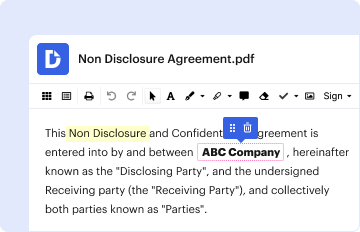
Utilizing online forms requires understanding their digital interface and relevant features. Users can access forms through platforms like DocHub, which provide comprehensive tools for creating and managing electronic forms.
Steps to Use:
- Access the Form: Navigate to a platform hosting the desired form.
- Fill in Required Information: Use the interactive fields to enter data.
- Review and Edit: Check for accuracy and completeness.
- Submit: Follow the platform instructions to formally submit the form.
Tips for Optimal Use:
- Save Progress: Ensure work is regularly saved to avoid data loss.
- Utilize Help Features: Many platforms offer guidance to aid in the completion process.
Steps to Complete a Form Online
Completing online forms is straightforward, yet requires attention to detail to ensure that every required field is filled correctly.
Detailed Workflow:
- Open the Form: Initiate the form through your chosen platform or link shared by the issuer.
- Input Data: Begin entering information, following prompts and instructions.
- Attachments: Where required, upload necessary documents or images.
- Verification: Verify entries for errors or omissions.
- Completion: Submit or save the form for later submission, as per instructions.
Practical Example:
When submitting an application for a job, ensure all fields like personal details, work history, and references are complete. Upload a resume if required, and recheck all entries for accuracy before final submission.
Importing and Managing Forms with DocHub
DocHub facilitates an intuitive environment for managing forms. Users can create and handle forms seamlessly, leveraging various advanced features.
Tools Provided:
- Form Fields Manager: Insert text boxes, checkboxes, dropdowns, etc.
- Editing Interface: Modify forms with ease using the robust editing suite.
Integration Capabilities:
- Import files from cloud services like Google Drive, ensuring streamlined document management.
- Export completed forms back to these storages or send via email.
Example Use Case:
A team needing to collect survey responses can use DocHub to create fillable forms and distribute them electronically, collecting organized data efficiently.
Security and Legal Compliance of Digital Forms
Electronic completion and submission of forms are governed by stringent security and legal frameworks to protect sensitive information and ensure compliance.
Security Features:
- Encryption: Strong SSL encryption protects data during transmission.
- Access Controls: Use of OAuth 2.0 for secure authentication and authorization.
Legally Binding:
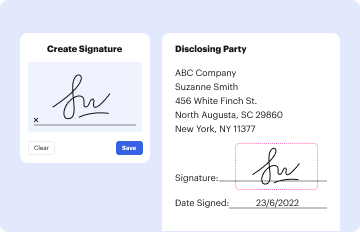
Forms completed online and signed electronically through platforms like DocHub comply with laws such as the ESIGN Act, ensuring their legal validity.
Example Scenario:
A business partner agreement signed digitally holds the same legal standing as one signed on paper, provided all parties comply with prescribed digital signature protocols.
Software Compatibility with Form Online Platforms
Compatibility with other software is crucial for maintaining a streamlined workflow and ensuring efficient data handling.
Supported Integrations:
- Google Workspace: Direct integration with Google Drive and Gmail.
- Cloud Storage: Dropbox and OneDrive support for easy file management.
Benefits:
- Eliminates redundant step of downloading and re-uploading files.
- Keeps documents within the operational ecosystem, preserving data integrity.
Practical Scenario:
A user can access a form received via Gmail, make necessary edits in DocHub, and save the updated document on Google Drive, without leaving the workspace.
Key Elements of Form Design Online
Quality form design impacts data collection efficiency and user experience.
Essential Elements:
- User-Friendly Layout: Simplifies navigation and completion.
- Relevant Questions: Inclusion of only necessary fields to avoid confusion.
- Validation Rules: To minimize errors and improve data accuracy.
Design Considerations:
- Use clear instructions and field labels.
- Incorporate accessibility features for various user needs.
Examples of Using Form Online for Business Efficiency
Businesses leverage online forms for various operational requirements, driving efficiency and accuracy.
Practical Applications:
- Employee Onboarding: Easier data collection and compliance checks.
- Customer Feedback: Swift dissemination and collection of surveys to improve products/services.
Case Study:
A company launching a new product might use online feedback forms to rapidly gather customer opinions, enabling timely adjustments to improve market reception.
This structured approach, focusing on specific aspects of "form online," provides comprehensive, in-depth coverage, offering maximum utility to users seeking to understand and leverage online forms effectively.


