





Definition & Meaning
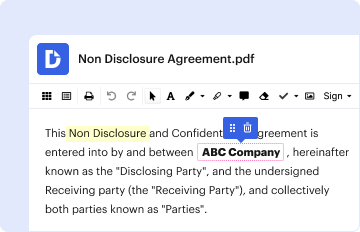
"Form online" refers to the process of accessing, filling out, and submitting forms through a digital platform. This process eliminates the need for physical paperwork, making it more efficient and convenient. Online forms can pertain to a variety of purposes, such as applications, surveys, or legal documents. Utilizing online forms streamlines data collection and allows users to engage with documents in real-time, making adjustments or corrections as needed without the constraints of traditional pen-and-paper methods.
Types of Online Forms
- Application Forms: Used for job applications, school enrollment, or service requests.
- Survey Forms: Often utilized for gathering feedback or conducting market research.
- Legal Documents: Contracts or agreements that require signatures and other formal inputs.
- Registration Forms: For events, courses, or memberships.
- Feedback Forms: Common in customer service scenarios to collect user feedback or complaints.
Benefits of Online Forms
- Ease of Use: Access from any device with internet connectivity.
- Efficiency: Automates many aspects of handling and processing data.
- Security: Protects information through encryption and secure access protocols.
- Cost-effective: Reduces the need for printing and mailing, saving on material costs.
How to Use the Form Online
Using an online form typically involves several intuitive steps that guide the user from start to finish. Access to forms online requires an internet connection and is generally browser-based, allowing for cross-platform compatibility.
- Access the Form: Navigate to the platform hosting the form, such as DocHub, via a web browser on your computer or mobile device.
- Read Instructions: Carefully review any provided guidelines or instructions that pertain to completing the form.
- Fill Out the Fields: Enter the required information in the designated fields. Online forms often feature mandatory fields marked with an asterisk to ensure necessary details are completed.
- Review and Verify: Double-check all information entered for accuracy and completeness before submission.
- Submit the Form: Use the platform’s submission button to send your form electronically, often receiving a confirmation or reference number.
Step-by-Step Example for a Tax Form
- Step 1: Find the tax form you need on the IRS website or a third-party service like DocHub.
- Step 2: Download or open the form directly in your browser.
- Step 3: Enter your taxpayer information, income details, and any applicable deductions.
- Step 4: Attach required supporting documents, if necessary, like W-2 forms.
- Step 5: Submit your completed form electronically to the IRS.
Important Terms Related to Form Online
Understanding key terms used in online forms can enhance user confidence and accuracy when completing these documents.
- Mandatory Field: A required input field that must be filled out to proceed with the form submission.
- Captcha: A security mechanism to differentiate human users from automated bots by requiring specific tasks to be completed.
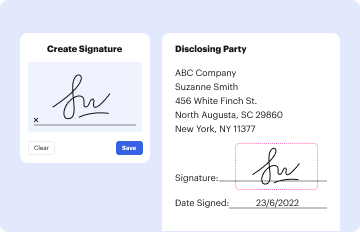
- Digital Signature: An electronic form of signing a document, providing legality and authenticity.
- Encryption: The process of converting information into a secure format that can only be read by authorized parties.
- OAuth 2.0: A protocol for authorization that enables applications to securely access resources on behalf of the user.
Legal Use of the Form Online
The legal implications of online forms are significant, especially in terms of data privacy and compliance with applicable laws such as the ESIGN Act in the United States. Electronic forms are legally binding when completed and signed correctly, provided the platform adheres to relevant regulations.
Key Legal Considerations
- Compliance with Data Protection Laws: Ensures that personal information collected is used and stored in accordance with privacy standards.
- Use of Electronic Signatures: Recognized as valid under laws like the ESIGN Act, facilitating the digital signing of contracts and agreements.
- Audit Trails: Maintain a record of all actions taken on a form, such as edits and signatories involved, which serves as a legal proof of actions.
Case Study: Electronic Contract Signing
An online contract signed between a freelancer and a client via DocHub captured signatures using legally compliant electronic signatures. Both parties received copies of the signed contract with an audit trail recording the timestamp of each signature, ensuring future enforceability. This process not only saved time but also ensured the agreement's legality and security, demonstrating a practical application of online form use in legal contexts.
Key Elements of the Form Online
Certain elements are essential for online forms to function effectively, ensuring both user-friendliness and utility.
- Interactive Fields: Enable users to input data efficiently, such as text boxes, dropdown menus, and checkboxes.
- Clear Instructions: Provide guidance on correctly completing each section, improving form completion rates.
- Responsive Design: Optimizes the form for use on various devices, adjusting layout and interactions to suit screen sizes.
- Submission Confirmation: Offers feedback that the form was successfully submitted, reducing user uncertainty.
Examples of Key Elements
- Text Box for Name or Address: Allows for free-text entry with character limits as necessary.
- Checkbox for Agreement: Requires users to acknowledge terms and conditions before proceeding.
- Dropdown Menu for Selections: Streamlines selection processes from pre-defined options, reducing input errors.
State-Specific Rules for the Form Online
Certain forms have variations or additional requirements based on state laws or regulations in the U.S. It's important to ensure that forms comply with these when submitting information pertinent to specific states.
Examples of State-Specific Variations
- Tax Forms: States may have unique tax credit programs or deductions that need specific inclusions or adjustments on forms.
- Business Registrations: Varying state requirements for filing Articles of Incorporation or similar documentation.
- Professional Licensing: Forms might require additional documents or credentials based on state regulations.
Addressing State Requirements
When filling out an online form, users should:
- Review State Guidelines: Ensure all required components specific to the state are included.
- Provide Additional Documentation: Prepare for any supplementary documentation the state might require.
- Adapt Form Details: Modify form sections to address state-specific fields or data points.
Steps to Complete the Form Online
Completing an online form can be straightforward when tackled systematically, ensuring accuracy throughout the process. Below is a general guideline to assist users in completing forms successfully.
- Preparation: Have all necessary information and documents ready before starting the form.
- Start With Basic Information: Fill out easily available data first, like name and contact details.
- Upload Attachments: Attach any required supporting documents or images directly to the form.
- Review for Accuracy: Proofread all entries to correct any typographical or factual errors.
- Finalize Fields: Complete any final checks on mandatory fields to ensure none are missed.
- Submit: Follow the form’s specific submission mechanism, ensuring you receive confirmation.
- Save a Copy: Download or save proof of submission and any responses for your records.
Example
If you’re applying for a business license online, you would need:
- Basic personal information.
- Business details such as name and type.
- Supporting documents like tax ID numbers or incorporation documents.
- Confirmation through email once the form is submitted.
Who Typically Uses the Form Online
The usage of online forms extends across different sectors, with varied individuals and organizations utilizing them for distinct purposes.

Common Users
- Businesses: For contracts, invoicing, and internal HR forms.
- Educational Institutions: To streamline application processes and gather student data.
- Government Agencies: Collect public data, registrations, or surveys cost-effectively.
- Healthcare Providers: Gather patient information securely and efficiently.

Case Study: Business Sector
A small business owner uses online forms to streamline the onboarding of new employees. By employing electronic forms, the owner not only reduced the time spent on paperwork but also improved the accuracy of data collected, as employees could fill out and sign contracts electronically. This enhanced the overall onboarding experience and allowed for real-time updates and collaboration within the HR team.
By understanding and implementing these comprehensive aspects of online forms, users can fully leverage their potential, ensuring efficiency, legality, and security throughout the process.


