





Definition and Meaning of Form Online
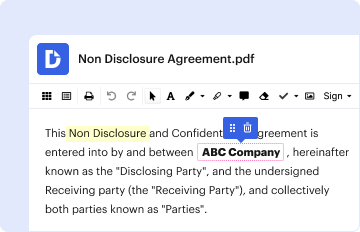
Forms online are digital versions of traditional paper documents used for various purposes such as applications, registrations, or reporting. These forms can be filled out, submitted, and often stored online, making them an efficient alternative to physical paperwork. The term encompasses a wide range of forms applicable in contexts like tax filings, business registrations, or job applications, among others.
Online forms provide a streamlined process by eliminating the need for printing, mailing, or hand-delivery of documents. They allow users to enter information directly into fields using a computer or mobile device. This method improves accuracy, as digital forms often include error-checking features that can prompt users to correct incomplete or improperly formatted entries before submission. Additionally, online forms can automatically populate fields with relevant data, reducing redundant input.
Steps to Complete the Form Online
Completing a form online typically involves a series of methodical steps that ensure all the necessary data is accurately provided and submitted. Here is an illustrative process:
-
Access the Form:
- Open the relevant website or platform hosting the form, such as a government site, company portal, or the DocHub platform.
- Locate the specific form through the search feature or navigation menus.
-
Read the Instructions:
- Carefully review any provided guidelines to comprehend what information is required.
- Identify any mandatory fields and focusing details needed to avoid delays in processing.
-
Fill Out the Form:
- Enter your information into the provided fields, ensuring accuracy and completeness.
- Use features such as drop-down menus or radio buttons for selections to aid precision.
-
Attach Documents if Required:
- Upload any necessary additional documents, ensuring they meet size and format specifications.
-
Review and Validate:
- Double-check all entered information for accuracy and completeness.
- Utilize the form’s built-in validation features to catch and rectify errors before submission.
-
Submit the Form:
- Use the "submit" or "send" button on the platform to forward the completed form.
- Receive any confirmation message or reference number for your records.
-
Follow-Up:
- Monitor any email or message notifications indicating the receipt or status updates of your submission.
Why You Should Use Forms Online
Using forms online offers significant advantages over traditional paper forms, providing both functionality and efficiency for individuals and organizations:
-
Time Efficiency: Online forms can be quickly accessed and completed without the delays associated with printing and mailing paper forms.
-
Cost Effective: They reduce or eliminate the costs related to paper, printing, postage, and storage.
-
Enhanced Accuracy: Automated error-checking features reduce the risk of submitting forms with incomplete or incorrect data.
-
Convenience: Online forms are accessible from any location with an internet connection, supporting remote submissions and reducing the need to visit physical offices.
-
Environmental Impact: Digital processes reduce paper usage, supporting sustainability efforts and lowering carbon footprints.
Legal Use of Forms Online
Forms submitted online are legally recognized in many instances, making them a valid choice for conducting official business:
-
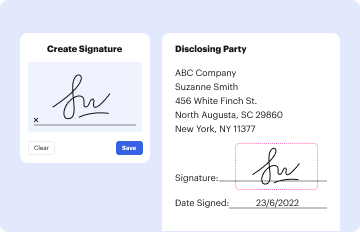
Compliant With Regulations: Many federal and state agencies design their online forms to comply with relevant laws and guidelines, such as the ESIGN Act, which gives legal validity to electronic signatures and documents in the U.S.
-
Secure Transactions: Secure encryption technologies typically protect sensitive information submitted through online forms, ensuring data security during transmission and storage.
-
Audit Trails: Certain online platforms provide audit trails that track submissions, creating a reliable record that can be referenced if needed for legal or verification purposes.
Key Elements of Form Online
Online forms consist of various elements that streamline data collection and improve user experience:
-
Form Fields: Sections for inputting information, which can include text boxes, checkboxes, radio buttons, and date pickers.
-
Instructions and Guidelines: Area for explaining what information is required, how it should be formatted, and any additional steps after submission.
-
Validation Controls: Features that check for errors or omissions, alerting users to correct issues before submission.
-
Submission Confirmation: Notifications or reference numbers provided after submission to confirm receipt and assist in tracking.
Examples of Using Forms Online
Forms online find application in numerous scenarios across various industries:
-
Tax Filing: Use e-filing systems to submit tax documents and returns efficiently.
-
Job Applications: Submit applications through employer career portals, which often include fields for resumes and cover letters.
-
Business Registrations: Apply for business licenses or register entities using state-specific online platforms.
-
Loan Applications: Financial institutions offer online forms for loan applications, enabling faster processing and approval times.
Form Submission Methods
Online forms offer versatile submission channels catering to different user preferences and requirements:
-
Direct Online Submission: Common for government forms and business applications, submitted directly through a secure website.
-
Via Email: Some platforms allow filled forms to be downloaded and sent as attachments.
-
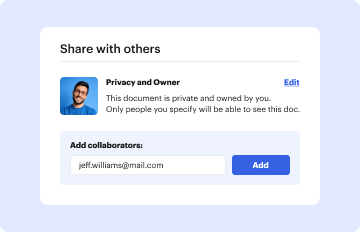
Cloud-Based Platforms: Forms created, completed, and stored in cloud environments (e.g., DocHub) provide both direct submission and integration with other tools.
Digital Versus Paper Versions
While digital and paper forms serve similar purposes, each has distinct characteristics:
-
Digital Forms: Typically offer features like automatic calculations, prefilling, and instant submission.
-
Paper Forms: May be necessary for instances where digital access is limited, requiring physical signatures or in-person submission. Digital forms often provide greater flexibility, better security, and enhanced accessibility compared to paper forms.


