





Definition and Meaning of Online Forms
Online forms are digital versions of paper documents that enable users to fill out and submit information electronically. These forms are widely used across various sectors for tasks such as applications, registrations, surveys, and agreements. The primary advantage of using online forms is the ability to streamline data collection, reduce the need for manual data entry, and facilitate remote access and submission, which improves efficiency and convenience for both the user and the organization. Online forms can vary greatly in complexity, from simple contact forms to sophisticated legal agreements requiring multiple signatures and approvals.
Characteristics of Online Forms
- Digital Accessibility: Accessible on various devices, including desktops, tablets, and smartphones.
- Interactive Features: May include dropdown menus, checkboxes, and signature fields.
- Data Validation: Often includes input validation rules to ensure data accuracy and completeness.
- Submission Flexibility: Can be submitted immediately upon completion, eliminating traditional mail delays.
How to Use Forms Online
Using forms online typically involves accessing the form through a website or email link, filling out the required fields, and submitting the completed form electronically. The process is designed to be user-friendly, often guiding users through each step with clear instructions and visual indicators of required fields.
Step-by-Step Process
- Accessing the Form: Visit the designated website or click on the link provided in an email invitation.
- Filling in Information: Enter the required information in fields such as name, address, and other pertinent details.
- Validating Data: Ensure all required fields are complete and information is accurate.
- Submitting the Form: Click the submit button, which sends the completed form to the intended recipient.
Examples
- Application Forms: Used for school admissions, job applications, or loan requests.
- Feedback Surveys: Collected by businesses to obtain customer feedback on services or products.
How to Obtain the Form Online
Accessing an online form is typically a straightforward procedure, often facilitated through an organization's website or sent directly to a user's email. The availability of forms online is dependent on the organization providing them, so it's necessary to follow any specific instructions for locating and accessing the desired form.
Common Access Methods
- Website Download: Many businesses host forms on their website for easy download.
- Email Distribution: Organizations may send forms via email for specific recipients.
Accessing Through DocHub
- Import from Cloud Services: Users can import forms from services such as Google Drive, Dropbox, and OneDrive, or upload them directly from their computer.
- Real-Time Editing: Forms can be edited in real time and synced across devices for seamless workflow management.
Key Elements of Online Forms
Key elements integral to the functionality of online forms include user-friendly interfaces, interactive features, and secure data processing. These components enhance user experience and data accuracy, essential for efficient data collection and management.
Core Features
- User Intuitive Design: Interfaces that are easy to navigate and require minimal user training.
- Interactive Components: Include elements like dynamic dropdowns and fillable fields.
- Secure Data Handling: Ensures that all information entered is encrypted and stored securely.
Integration with Other Tools
- Compatibility with software like DocHub ensures that forms can be efficiently managed and integrated with existing workflows.
- Supports various file formats, such as PDF, DOC, and XLS, enhancing interoperability with other systems.
Why Utilize Forms Online
Leveraging online forms for data collection and processing offers multiple benefits to individuals and organizations alike. They significantly simplify procedures that traditionally required physical paperwork and manual processing, thereby saving time, reducing costs, and minimizing errors.
Advantages
- Efficiency: Reduces time spent on manually distributing and collecting paper forms.
- Cost-Effective: Eliminates printing and mailing costs.
- Environmentally Friendly: Reduces paper waste and carbon footprint.
Applicability
This method is particularly beneficial for organizations requiring frequent data collection, such as educational institutes, governmental bodies, and businesses involved in e-commerce.
Editing and Managing Fillable Forms
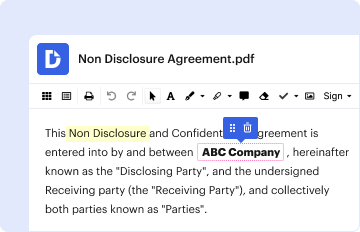
Creating fillable forms online with tools like DocHub allows users to convert static documents into interactive forms. This transformation enables the collection of structured data from users, facilitating accurate and efficient data processing.
Fillable Features
- Form Fields Manager: Allows inserting text boxes, drop-down lists, and signature fields.
- Advanced Form Logic: Provides conditional formatting or required fields to guide users effectively.
Example Scenarios
- Medical Intake Forms: Patients can fill out medical history or insurance information electronically.
- Employment Applications: Employers can collect detailed candidate information and references.
Legal Use of Online Forms
Legal forms are frequently used online to expedite processes that require legal agreements or official acknowledgments. Ensuring the legal compliance of these forms is critical, particularly when electronic signatures are involved.
Compliance Standards
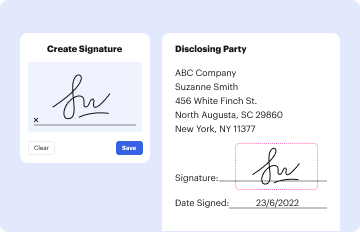
- ESIGN Act Compliance: E-Signatures on forms online must comply with the ESIGN Act, ensuring they are legally binding.
- Audit Trails: Maintains records of signatures and form submissions for legal verification.
Legal Scenarios
- Rental Agreements: Tenants and landlords can complete and sign leasing contracts electronically.
- Sales Contracts: Used between companies and customers for the sale of goods or services.
Software Compatibility
Online forms must strive for compatibility with various software platforms to ensure accessibility and ease of integration within existing workflows. Compatibility with popular applications such as TurboTax and QuickBooks simplifies data import/export tasks.
Supported Platforms
- TurboTax: Facilitates the import of forms related to tax filing.
- QuickBooks: Streamlines accounting processes using integrated data from completed forms.
Interoperability Benefits
Ensures that forms and data remain accessible and functional across different software environments, which increases productivity and reduces the incidence of data silos within organizations.


