





Definition and Meaning of "Form Online"
Forms that you complete online, often termed "form online," refer to digital versions of documents traditionally filled out on paper. This format allows for data collection in a structured template that recipients complete and submit through the internet. It provides a secure and efficient method of gathering information, often enhanced by interactive elements like text boxes and drop-down menus, which guide users in supplying accurate data. These forms are utilized across various sectors such as government, finance, education, and human resources.
Steps to Complete the Form Online
Completing an online form involves several straightforward stages:
- Accessing the Form: Navigate to the website where the form is hosted, like DocHub, which can integrate with platforms such as Google Drive or Dropbox.
- Filling Out Required Fields: Enter information in required fields, indicated by an asterisk, ensuring all mandatory areas are completed before submission.
- Using Interactive Features: Utilize interactive elements like checkboxes, radio buttons, and drop-down lists to provide responses.
- Reviewing and Editing: Double-check entries for accuracy. Online platforms like DocHub allow real-time editing, contributing to an error-free submission process.
- Submitting the Form: Once all fields are filled, select the submit button to send your completed form electronically.
How to Use the Form Online
Using a form online involves:
- Navigating to the Correct Platform: Access via direct link or through integrated services like email or cloud storage.
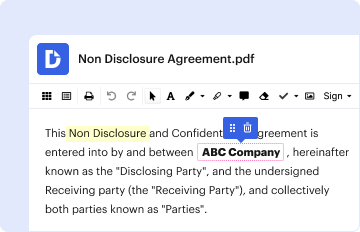
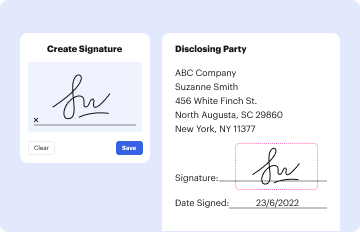
- Utilizing Form Tools: Platforms like DocHub offer tools to add text, insert signatures, and annotate documents, enhancing functionality.
- Saving Progress: Forms can often be saved partway through completion, allowing users to return and finish later without losing previously entered data.
Key Elements of the Form Online
An online form typically includes:
- Input Fields: Text boxes and fields for data entry.
- Interactive Controls: Includes checkboxes and radio buttons for selections.
- Auto-Validation: Formats that ensure data like dates and numbers meet specific criteria.
- Submission Buttons: Clearly labeled to indicate form completion actions, such as "submit" or "save."
Legal Use of the Form Online
Online forms must comply with legal standards to be valid.
- Compliance: Ensure adherence to electronic signature laws such as the ESIGN Act, allowing digital signatures to be as legally binding as handwritten ones.
- Security Measures: Incorporate encryption and secure logins to protect sensitive data.
Software Compatibility with Form Online
Online forms are often compatible with various software:
- Integration with Google Workspace: Many forms, like those on DocHub, integrate with Google Drive, Gmail, and other office suites.
- Support for Multiple Formats: DOC, PDF, XLS, and other formats ensure broad usability.
Required Documents for Form Online Submission
Depending on the form's purpose, you may need to upload additional documents:
- Identification Documents: Such as a government-issued ID.
- Proof of Address: Utilities bills or rental agreements for verification.
- Supplementary Information: Like income statements or tax records.
Who Typically Uses Forms Online
Various users benefit from online forms:
- Individuals: For personal applications and registrations.
- Businesses: Streamline processes like onboarding and contractual agreements.
- Educational Institutions: For student applications and faculty documentation.
Examples of Using Form Online
Online forms cater to diverse scenarios:
- Tax Forms: Such as IRS forms for tax returns, filled and submitted electronically.
- Job Applications: Easily managed with fields for uploading resumes and cover letters.
- Survey and Feedback Collection: Providing insights through user feedback.


