





Definition and Meaning
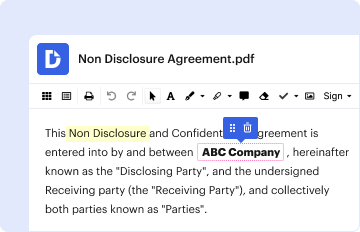
The term "form online" refers to digital forms that can be completed and submitted through electronic platforms such as DocHub. These tools allow users to input data, signatures, and other necessary information directly on their computers or mobile devices, eliminating the need for physical paperwork. This digital approach enhances efficiency and accessibility, enabling users to manage forms from anywhere with internet access.
Subsections of Forms
-
Fillable Fields: Online forms often include various fillable fields such as text boxes, dropdown menus, checkboxes, and signature fields. These elements guide users in providing specific information and ensure all required data is collected efficiently.
-
Interactive Features: Many online forms incorporate interactive features that help users navigate through sections, ensuring clarity and completeness before submission.
How to Use the Form Online
Using a form online involves a series of intuitive steps designed to simplify the process of data input and document submission.
Detailed Steps
-
Access the Platform: Launch the form on a platform like DocHub, either by importing a document from your device, cloud storage, or by creating a new form from scratch.
-
Fill in the Required Fields: Enter data into mandatory fields. Online forms often highlight required fields or prevent submission until all necessary information is provided.
-
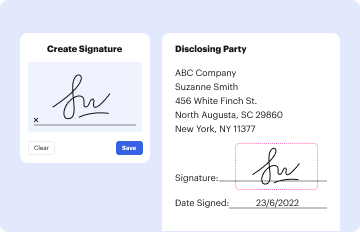
Add Digital Signatures: Utilize electronic signature options by drawing with a mouse, typing, or uploading an image of your handwritten signature.
-
Review the Document: Ensure all information is correct, and all required fields are completed before finalizing the form.
-
Submit the Form: Once completed, submit the form directly through the platform to the intended recipient or save a copy for your records.
Steps to Complete the Form Online
Completing online forms requires a structured approach to ensure accuracy and compliance with submission requirements.
Step-by-Step Guide
-
Initiate the Form: Start by accessing your form through a digital platform. Ensure you have a stable internet connection to avoid disruptions.
-
Input Data: Carefully fill out each section with the necessary information, paying attention to details such as date formats and any specific instructions provided.
-
Insert Additional Information: If needed, use annotation tools to add comments, images, or extra details relevant to the form’s purpose.
-
Digitally Sign the Form: Employ electronic signature tools to sign the document. Save your signature for ease of use in future forms.
-
Finalize and Submit: Double-check that all required fields are complete and that any additional attachments are included. Submit the form online or download a copy for your records.
Why You Should Use the Form Online
In an age where efficiency and digital processes are paramount, using forms online offers numerous benefits.
Benefits of Online Forms
-
Convenience: Access and complete forms from any location using internet-enabled devices, eliminating geographical barriers.
-
Time Efficiency: Streamline the process of document submission through automated features, reducing manual entry and processing time.
-
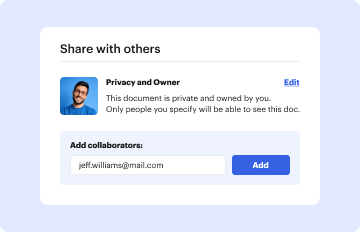
Enhanced Collaboration: Digital forms facilitate easier collaboration, allowing multiple stakeholders to review and approve documents simultaneously.
Important Terms Related to Form Online
Digital forms come with a lexicon that is essential for effective use and understanding.
Key Terminology
-
E-signature: A legally accepted means of signing documents electronically, streamlining traditional paper-based processes.
-
Form Fields: Specific areas within a form designed for data entry, such as text inputs and checkboxes.
-
OAuth 2.0: An authentication protocol ensuring secure account access when filling forms online.
Legal Use of the Form Online
Using forms online comes with compliance considerations to ensure legal validity and data protection are maintained.
Compliance and Security
-
ESIGN Act Compliance: Forms signed electronically are considered legally binding, provided they comply with the Electronic Signatures in Global and National Commerce Act.
-
Data Protection: Platforms like DocHub utilize 256-bit SSL encryption to safeguard information from unauthorized access during transmission and storage.
State-Specific Rules for Form Online
Although forms are commonly standardized, some require adherence to state-specific regulations.
Tailoring to Jurisdictions
-
Variations Per State: Certain forms may have different requirements depending on state laws, especially for legal or tax-related forms.
-
Research Requirements: Users are encouraged to verify state-specific guidelines to ensure forms meet local compliance standards.
Examples of Using the Form Online
Online forms offer versatility and can be used across various scenarios and industries.
Practical Use Cases
-
Tax Filing: Submit tax-related forms like the W-9 electronically, which helps simplify compliance processes for both individuals and businesses.
-
Human Resources: Streamline onboarding processes by collecting employee information through digital forms, enabling efficient data management.
By exploring these comprehensive facets of "form online," users can enhance their understanding and optimize their workflows effectively through platforms like DocHub.


