






Definition and Purpose of Online Forms
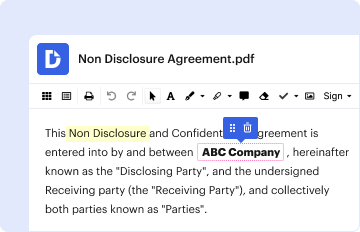
Online forms serve as digital tools that facilitate data collection and processing seamlessly over the internet. Unlike traditional paper forms, these are accessible via web browsers, eliminating the need for physical copies. This transition to digital forms has revolutionized how individuals and organizations capture, submit, and process information by enhancing convenience and accessibility.
An online form can be as simple as a survey used for customer feedback or as complex as a financial application requiring substantial validation and approval workflows. Each form is typically designed with various fields, including text input, checkboxes, dropdown menus, and signature areas, enabling users to fill out the required details directly on their devices.
How to Use Online Forms Effectively
To use online forms efficiently, users should start by understanding the specific data requirements of the form they are accessing. This helps ensure the process is swift and error-free. Follow these general guidelines:
- Read Instructions Carefully: Before entering data, review any instructions or guidelines provided. This can include details about mandatory fields, special formatting requirements, or necessary attachments.
- Prepare Required Information: Gather any data or documents you might need before beginning to fill out the form. This could include identification numbers, financial records, or other supplementary materials.
- Ensure Data Accuracy: Double-check all entries for accuracy to prevent delays caused by incorrect data. This is crucial, especially for forms related to legal or financial matters.
- Save Your Progress Frequently: If the form allows, save your progress periodically. This prevents loss of data in case of a network issue or software error.
- Review Before Submission: Go through the entire form once more to catch any errors or incomplete fields before submission.
Steps to Complete an Online Form
Completing an online form involves several steps which are generally intuitive yet critical for successful submission:
- Access the Form: Navigate to the website or application where the form is hosted. This could be a direct link shared via email or a URL found on a website.
- Fill in Personal Information: Start with the basics like name, contact details, and any other identifying information.
- Input Specific Data: Depending on the form type, this might include financial figures, tax ID numbers, or detailed responses to specific queries.
- Attach Necessary Documents: Upload required files if the form specifies attachments, ensuring they comply with specified formats and size limits.
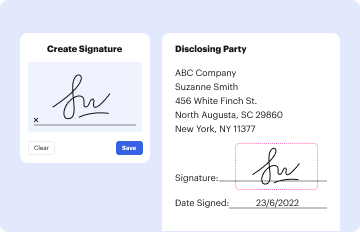
- Sign the Form: Many online forms now require digital signatures. Use embedded tools to draw or upload your signature.
- Submit the Form: Once complete, use the 'submit' button to send your data. Look for any confirmation message or email indicating successful submission.
Who Typically Uses Forms Online
Online forms are utilized by a wide array of users, driven by the need to streamline various processes:
- Business Entities: Companies use forms for employee onboarding, client agreements, and data collection.
- Educational Institutions: Schools and universities utilize forms for enrollment, assessments, and feedback collection.
- Government and Non-Profits: These organizations use forms to manage applications for services, grants, and public records.
- Healthcare Providers: Online forms are important for patient registration, appointment scheduling, and medical history collection.
Legal Use of Online Forms
In the U.S., the legality of online forms rests on several factors, primarily relating to the integrity of the data collected and the authenticity of digital signatures. Compliance is usually ensured by adhering to frameworks like the ESIGN Act, which legitimizes electronic signatures.
Online forms must also respect privacy laws such as HIPAA for healthcare forms in the U.S. or GDPR for forms interacting with European citizens. This involves ensuring secure data transmission and storage, offering privacy notices, and obtaining consent where required.
Important Terms Related to Online Forms
Understanding key terms associated with online forms can enhance comprehension and effective use:
- Form Field: Areas where users input information. Common fields include text boxes, radio buttons, and dropdown lists.
- Digital Signature: An electronic representation of a signature used to sign online documents legally.
- Encryption: Technology used to secure data within forms to protect it from unauthorized access.
- Validation: Process of automatically checking form entries for accuracy and completeness before submission.
- Responsive Design: Ensures forms are usable across various devices and screen sizes without loss of functionality.
Examples of Using Online Forms
Online forms span a wide range of applications, relevant examples include:
- Job Applications: Editable forms for potential employees to submit personal data, resumes, and cover letters.
- Tax Filings: IRS forms like the W-9 form, which allows individuals to submit tax information securely online.
- Surveys and Feedback: Businesses and researchers use forms to collect opinions, feedback, and demographic data.
- Event Registrations: Whether for corporate events or public gatherings, forms manage attendee information and preferences.
Software Compatibility with Online Forms
Online forms demonstrate compatibility with various software solutions, facilitating integration into established workflows:
- Google Workspace: Forms can be linked with Google Drive for storage or Google Sheets for data processing.
- CRM Software: Forms can integrate with Customer Relationship Management platforms like Salesforce for direct data import.
- Accounting Platforms: Tools like QuickBooks and TurboTax can accept financial forms for seamless transaction recording and tax preparation.
Seamlessly integrating online forms into existing software solutions can decrease manual data entry, reduce errors, and increase overall efficiency in data handling and processing.


