





Definition & Meaning
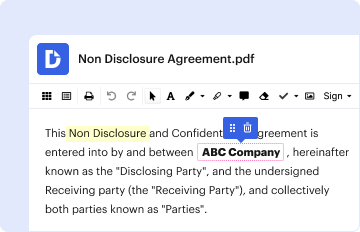
The "form online" refers to an electronic version of a form that can be accessed, filled out, submitted, and stored through internet-connected devices. This process replaces traditional paper forms, streamlining workflows and enhancing accessibility. Online forms are utilized across various sectors, including legal, education, business, and personal areas, simplifying data collection and processing.
Benefits of Forms Online
- Accessibility: Online forms are accessible from any location with internet connectivity, providing the flexibility to initiate, continue, or complete documentation tasks as needed.
- Efficiency: Utilizing online forms reduces time consumption associated with printing and manually handling physical documents.
- Cost-Effective: By minimizing paper usage and associated costs, organizations can allocate resources more effectively.
Steps to Complete the Form Online
Completing an online form involves several key steps to ensure accuracy and compliance.
- Access the Form: Locate the online form on the relevant platform or website using a computer or mobile device.
- Review Instructions: Carefully read any introductory guidelines or accompanying instructions to understand the form's requirements.
- Input Information: Enter required data into specified fields, ensuring all mandatory sections are addressed to prevent submission errors.
- Validate Entries: Double-check for typographical errors and verify that all information is accurate and complete.
- Submit the Form: Follow the prompts to submit the form, ensuring you receive confirmation of successful submission.
Troubleshooting Tips
- Technical Issues: If experiencing technical problems, clear browser cache or try accessing the form with a different web browser.
- Incomplete Submission Alert: Review provided instructions to identify missed sections or improperly filled fields.
Required Documents
When completing forms online, specific documents may be required to support data accuracy and validity.
- Identification: Typically, forms may require proof of identity, such as a driver's license or passport.
- Financial Records: For tax or financial-related forms, necessary documentation can include pay stubs, tax returns, or bank statements.
- Supporting Documents: Depending on the form type, additional documents like legal contracts, proof of residence, or previous submissions may be needed.
Organizing Supporting Documents
- Digital Copies: Store required documents in digital format for easy upload.
- File Naming: Use clear and intuitive file names to quickly identify each document during the submission process.
Software Compatibility
The form online may be compatible with various software applications to enhance user experience and streamline processes further.
Integration with Popular Applications
- Google Workspace: Forms often support direct integration with Google Drive, enabling straightforward document import and export.
- Adobe Acrobat: Many online forms utilize PDF format, giving users the option to use Adobe Acrobat for advanced editing and electronic signatures.
- Microsoft Office Suite: Some platforms allow importing and exporting documents compatible with Word, Excel, and PowerPoint.
Compatibility Considerations
- Ensure Application Currency: Use the latest versions of software applications to maximize compatibility and reduce errors.
- Browser Compatibility: Confirm that your web browser supports the necessary features for accessing and submitting the form online.
Legal Use of the Form Online
Forms completed online have specific legal implications, especially concerning contracts and compliance.
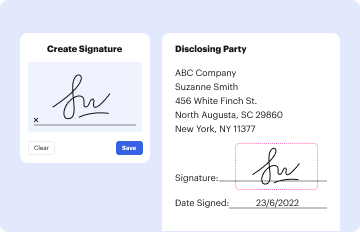
- Electronic Signatures: Under acts like the ESIGN Act, electronic signatures on online forms are legally binding, equating them to their handwritten counterparts.
- Compliance Requirements: Organizations must comply with laws governing electronic record-keeping and personal data protection, such as HIPAA or GDPR, as applicable.
Ensuring Legal Integrity
- Audit Trails: Keep records of transactions, submissions, and revisions to mitigate potential legal disputes.
- Security Measures: Employ robust security protocols to protect user data and ensure document confidentiality.
Examples of Using the Form Online
Various practical scenarios demonstrate the utility of online forms in simplifying administrative tasks and enhancing user experiences.
Practical Scenarios
- Health Care: Patients can fill out forms for medical history and consent online before appointments, reducing in-office wait times.
- Education: Students use online forms for applications, course registrations, and submitting assignments, streamlining school administrative processes.
- Human Resources: Businesses leverage online forms for job applications, employee onboarding, and performance reviews, enhancing HR efficiency.
Differences Between Digital and Paper Versions
While digital and paper forms serve similar purposes, they offer distinct advantages and limitations.
Advantages of Digital Forms
- Eco-Friendly: Digital forms contribute to environmental conservation by minimizing paper usage.
- Real-Time Changes: Users can easily update digital forms without needing to reprint materials.
Limitations of Paper Forms
- Inflexibility: Paper forms require physical handling and storage space, complicating revisions and updates.
- Increased Processing Time: Transmission and processing of information are often slower compared to digital methods.
State-Specific Rules for the Form Online
Online forms may be subject to state-based regulations and requirements, impacting submissions and compliance protocols.
State Variability
- Legal Documentation: Some states may require specific notarizations or witness confirmations to authenticate forms.
- Industry Regulations: Certain forms, like tax filings or business registrations, may vary in format and requirements across states.
Ensuring Compliance
- Consult Local Authorities: Always check with state-specific governmental websites to ensure adherence to local rules.
- Documentation Review: Thoroughly examine each form's guidelines to comply with state mandates and avoid processing delays.


