





Definition & Meaning of Form Online
Forms online refer to digital documents that can be completed, submitted, and processed over the internet. Unlike traditional paper forms, these digital forms offer convenience and efficiency by allowing users to fill them out from any location with internet access. The digital nature of these forms means users can easily input data, ensure accuracy through automated checks, and send the forms to recipients without physical mailing. Whether for government applications, business transactions, or personal use, online forms streamline data collection and submission processes, enhancing both user and organizational efficiency.
How to Use the Form Online
Using an online form is typically straightforward, but understanding the nuances can enhance the experience and ensure proper submission. Here's how to effectively use an online form:
-
Access the Form: Locate the form on the relevant website or platform. Websites like DocHub may require creating an account for access.
-
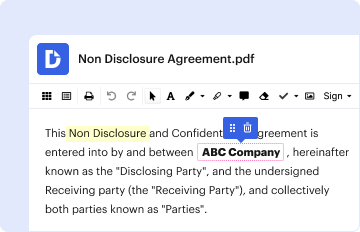
Import or Open Document: If using platforms like DocHub, users can directly import documents from cloud storage or a personal computer.
-
Fill Out Form Fields: Enter the necessary information in designated fields, ensuring accuracy. Many forms allow data validation for correct input.
-
Review the Filled Form: Before submission, double-check all entries for accuracy. Utilize tools like annotation for clarifying or adjusting any parts of the document.
-
Submit or Save the Form: Follow on-screen instructions to submit the form or save it for later or offline sharing.
Steps to Complete the Form Online
Completing an online form involves several steps tailored to ensure precision and compliance with submission guidelines:
-
Select the Appropriate Form: Identify the correct form based on your requirements, be it for personal, business, or legal use.
-
Review Requirements: Before starting, read the instructions carefully. Some forms come with guidelines or explanatory notes.
-
Enter Information Accurately: Fill in the requested data accurately, paying attention to required formats like dates or numerical fields.
-
Attach Additional Documents: If the form requires supporting documents, ensure they are attached in the specified format.
-
Check for Required Fields: Forms often have mandatory fields; ensure these are completed to avoid submission errors.
-
Submit and Track Submission: Use the platform's submission feature, often with options to track the status electronically.
Legal Use of the Form Online
Online forms are legally recognized, offering a valid medium for various purposes, from business contracts to government applications. Legal frameworks like the ESIGN Act ensure digital forms and signatures are accepted under U.S. law:
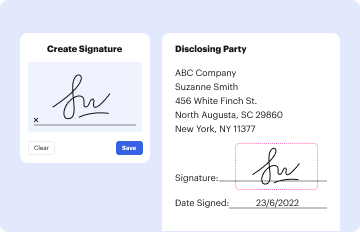
- Compliant Signatures: Electronic signatures on forms online must comply with legal standards to be considered valid.
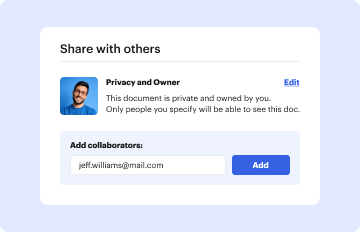
- Authorized Access: Ensure that access to the form is secure and only authorized individuals can view or modify sensitive data.
- Audit Trails: Professional platforms provide audit trails to document transactions, which helps in maintaining a record for legal purposes.
Key Elements of the Form Online
Understanding the components of an online form helps in both designing and filling it out effectively:
- Header and Introduction Fields: These provide context for the form, often including the purpose and instructions for completion.
- Input Fields: Spaces where users enter information, such as text boxes, checkboxes, and dropdown menus.
- Validation Checks: Automated checks that ensure data entered meets specified criteria, reducing errors.
- Submission Button: Finalize the process by submitting the completed form with a clearly marked submission option.
State-Specific Rules for the Form Online
Forms may be subject to state-specific regulations, especially for government-related processes:
- Varying Requirements: Different states may require additional information or specific data formats. Always check state guidelines before submission.
- State-Specific Fields: Some forms include sections that only apply to certain jurisdictions, ensuring compliance with local regulations.
- Legal Compliance: Familiarize yourself with state-specific laws regarding data handling and privacy before submitting online forms.
Examples of Using the Form Online
Online forms have broad applications across various domains:
- Business Applications: They are used for contracts, client registrations, and employee onboarding.
- Government Services: Many state and federal services, like voter registrations or tax filings, use online forms.
- Education: Students use online forms for applications, course registrations, or feedback submissions.
Software Compatibility with Form Online
Ensuring software compatibility is key to efficiently completing and submitting forms:
- Supported Platforms: Platforms like DocHub integrate seamlessly with popular cloud services like Google Drive, enhancing accessibility.
- Device Accessibility: Most forms can be accessed on desktops and mobile devices, ensuring versatile utility.
- Integration with Office Tools: Compatibility with tools like Microsoft Office allows for straightforward data import and export, aiding in efficient form management.


