





Definition & Meaning
The term "form online" refers to a digital document that can be accessed, completed, and submitted over the internet. This type of form is designed to facilitate various processes such as data entry, application submissions, and information requests without the need for physical paperwork. Forms online are increasingly popular due to their convenience, as they eliminate the need for printing and mailing paper documents. Both businesses and individuals leverage online forms to streamline operations and communication.
Forms online can vary widely in purpose and complexity. They might include simple contact forms, complex tax submissions, or customizable templates for data collection. These forms typically incorporate fields for text entry, checkboxes, dropdown menus, and digital signatures to accommodate different requirements. By using online forms, users can easily manage and track submissions, ensuring a more efficient workflow.
How to Use the Form Online
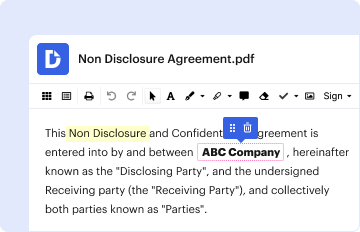
Using a form online generally involves several straightforward steps. First, users need to locate the form, often found on specific websites or through cloud-based document editors like DocHub. Once accessed, users can fill out the form by clicking on the various fields, which are typically highlighted to guide the user through the data entry process.
- Access the form: Navigate to the form's webpage or open it from an integrated service.
- Complete the fields: Enter required information into the designated areas. Use dropdowns and checkboxes where applicable for faster data entry.
- Review your input: Ensure all details are accurate and no fields are left incomplete.
- Submit the form: Once all fields are properly filled out, use the submission button to send your information.
Some platforms may allow you to save your progress, in case you need to return later to complete the form. Understanding these steps ensures users can effectively utilize online forms for their needs.
Steps to Complete the Form Online
Completing an online form requires attention to detail to ensure accuracy and completeness. Here’s a step-by-step guide to help you through the process:
- Preparation: Gather all required information and documents before starting. This might include personal identification numbers, addresses, or specific data related to the form's purpose.
- Fill in the form: Carefully enter your data into each required field. Use dropdown menus and checkboxes as designed for selecting options.
- Use fillable fields wisely: Some forms may include optional fields or allow for additional comments; use these if you have extra information that might be beneficial.
- Check for errors: Verify all information entered to prevent common mistakes, such as typos or incorrect data.
- Review instructions and terms: Ensure that you understand all instructions and any terms that may apply before submission.
- Submit the form: When satisfied, submit the form through the designated online button. Some systems might confirm your submission or send a receipt.
These steps help ensure that an online form is completed accurately, avoiding unnecessary delays or complications.
Important Terms Related to Form Online
Several terms relate closely to using online forms, understanding these can provide clarity:
- Fillable Fields: Sections in online forms where users can enter data, such as text boxes or dropdown menus.
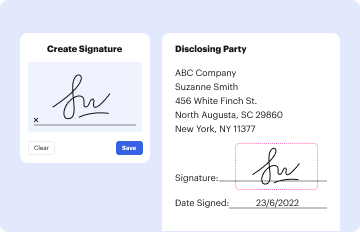
- Digital Signature: An electronic form of a signature used to verify a document's integrity and the signer's identity.
- Compatibility: Refers to whether the form can be accessed and completed across different software platforms and devices.
- Encryption: The process of encoding data to protect it from unauthorized access, ensuring secure form submissions.
- OAuth: An open standard for access delegation commonly used as a way to grant websites or applications limited access to user's information without exposing passwords.
Understanding these terms enhances the user's ability to effectively navigate and utilize online forms, thereby optimizing the experience.
Who Typically Uses the Form Online
Many individuals and organizations benefit from using forms online. They are commonly utilized by:
- Businesses: For applications, data gathering, customer feedback, and customer service forms.
- Educational Institutions: For admissions, enrollment, and feedback forms.
- Healthcare Providers: For patient information, appointment scheduling, and consent forms.
- Government Agencies: For tax, census, or permit application forms.
- Nonprofits: For volunteer applications, donations, and event registrations.
The wide applicability of online forms makes them a versatile tool in various settings, facilitating efficient data collection and processing.

Key Elements of the Form Online
Digital forms include several key features ensuring they fulfill their intended purpose effectively:
- User-Friendly Interface: Designed to be intuitive, allowing users to complete sections without confusion.
- Mandatory and Optional Fields: Clearly differentiated to guide users on necessary information versus additional details.
- Field Validation: To ensure data accuracy, forms may include validation rules, which prompt users when information is missing or incorrect.
- Responsive Design: Ensures the form is accessible on multiple devices without losing functionality.
- Data Security Features: Includes SSL encryption and data protection measures to secure user information.
These features ensure that online forms are both effective and accessible for all types of users.
Legal Use of the Form Online
Online forms often need to adhere to certain legal standards, especially when collecting sensitive information or requiring a signature. Features enabling the legal use include:
- Compliance with the ESIGN Act: Ensures electronic signatures are legally binding, allowing for validated use in contracts and formal agreements.
- Privacy Policies: Outlines how collected data will be used and stored, ensuring transparency and confidence among users.
- Audit Trail: Documents the history of the form's use, capturing timestamps and actions taken by each user.
Understanding these legal factors can help users navigate online forms with the confidence that their data is secure and recognized by law.
Software Compatibility
Forms online need to integrate efficiently with various software systems. Key points include:
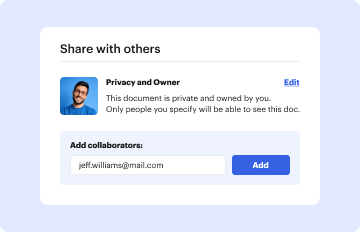
- Integration with Major Platforms: Compatibility with services like Google Workspace, allowing seamless sharing and editing.
- Cross-Platform Accessibility: Forms should function uniformly across different operating systems and devices.
- API Support: Enables external applications to interact with the form system, automating data flow and improving functionality.
These compatibility features ensure that users can work with online forms effectively alongside their chosen software tools.


