




Definition & Meaning of a Nexus Letter
A Nexus Letter is a crucial document used primarily within the United States veterans' affairs system. It serves to establish a connection, or "nexus," between a veteran's current medical condition and their military service. This document is typically provided by a physician or a healthcare provider who reviews the veteran's medical records and provides an expert opinion on whether the ailment is service-related. Nexus Letters are vital in helping veterans secure disability compensation by substantiating claims made to the Department of Veterans Affairs (VA).
Purpose and Importance
- Establishing Service Connection: The primary aim of the Nexus Letter is to create a solid link between military service and the medical condition, thereby allowing veterans to claim benefits.
- Expert Medical Opinion: It provides an authoritative medical opinion, which can significantly strengthen a veteran's claim.
- Legal and Medical Collaboration: Acts as a bridge between medical records and legal claims, helping veterans navigate the complexities of the VA claims process.
Components of a Nexus Letter
- Medical Diagnosis: Clear identification of the veteran’s medical condition.
- Service Connection Justification: Explanation of how military service led to or aggravated the condition.
- Medical Evidence: Reference to medical records and any tests or treatments that support the diagnosis and connection.
Steps to Complete the Nexus Letter Template
Completing a Nexus Letter requires careful attention to detail and a methodical approach to ensure all necessary information is accurately presented.
- Gather Veteran's Medical Records: Collect comprehensive medical history and any relevant service records.
- Review Claim Details: Understand the specifics of the disability claim and how it relates to military service.
- Draft the Nexus Letter:
- Header Information: Include your name, title, hospital or clinic name, and contact details.
- Introduction: Briefly introduce the purpose of the letter and your qualifications.
- Body: Provide detailed medical opinions, referencing specific service-related incidents and medical evidence.
- Conclusion: Summarize findings and reaffirm the connection between service and the condition.
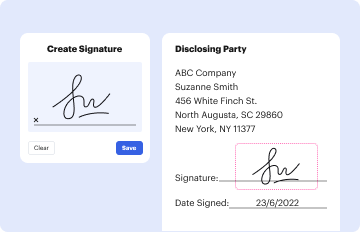
- Sign and Date the Letter: Ensure legitimacy with a signature and current date.
Important Considerations
- Precision in Medical Opinion: Avoid ambiguous statements; be clear and concise.
- Support with Evidence: Correlate observations with documented evidence to enhance credibility.
- Professional Tone: Maintain a formal and professional tone throughout the document.
Legal Use of the Nexus Letter Template
Nexus Letters play a pivotal role in legal proceedings related to veteran disability claims. Their legal use involves several aspects:
- Supporting Claims for VA Benefits: A well-drafted Nexus Letter can be the determining factor in receiving VA benefits.
- Used in Appeals: Provides necessary evidence when veterans choose to appeal a VA decision.
- Medical-Legal Synchronization: Aligns medical findings with legal requirements to substantiate claims.
Legal Insights
- Compliance with VA Standards: The Nexus Letter must meet all criteria set forth by the VA for it to be considered valid.
- Expert Authorship: Letters need to be authored by qualified medical professionals to have legal standing.
How to Use the Nexus Letter Template
The Nexus Letter Template serves as a guide for healthcare providers when structuring their medical opinions. Here's a detailed walkthrough on utilizing the template effectively:
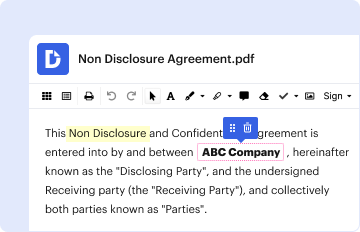
- Download the Template: Secure an editable version that can be tailored to specific medical cases.
- Customize the Fields: Input real data based on the veteran's medical records and specific claim details.
- Follow the Suggested Structure: Use the template’s sections to guide the narrative flow of the letter, ensuring all necessary elements are included.
- Consult with an Expert: Consider collaborating with legal experts to align medical assessments with legal requirements.
Tips for Effective Use
- Adopt a Systematic Approach: Follow the template methodically to ensure no section is overlooked.
- Regular Updates: Modify and update content as new medical information becomes available.
- Professional Review: Have another professional review the letter for accuracy and completeness before submission.
Key Elements of the Nexus Letter Template
The effectiveness of a Nexus Letter hinges on the inclusion of specific key elements:
- Clear Statement of Medical Opinion: Directly ties the medical condition to military service.
- Comprehensive Medical History: Provides context and supports the medical opinion with historical data.
- Detailed Rationale: Explains the reasoning behind the medical opinion, using evidence and logical connections.
Essential Inclusions
- Evidence-Based Citations: Reference medical literature or studies when applicable.
- Provider Credentials: Display the author’s qualifications and expertise.
- Contact Information: Include detailed contact information for follow-up or additional inquiries.
Who Typically Uses the Nexus Letter Template
Nexus Letter Templates are primarily utilized by:
- Medical Professionals: Physicians and healthcare providers tasked with drafting medical opinions related to veteran disability claims.
- Veterans Service Organizations: Organizations supporting veterans in gathering necessary documents for claims.
- Legal Representatives: Attorneys specializing in veterans’ affairs may use these letters to support cases.

Beneficiaries of the Nexus Letter
- Veterans: The ultimate beneficiaries who stand to gain from disability compensation claims.
- VA Officials: Use these letters to assess and process claims efficiently and accurately.
State-Specific Rules for Nexus Letters
While Nexus Letters serve a uniform purpose nationwide, there may be state-specific rules to consider when crafting them:
- State Medical Regulations: Ensure the letter complies with state-specific medical documentation laws.
- VA Regional Office Requirements: Some states may have additional criteria based on the local VA office’s standard operating procedures.
Considerations for Compliance
- Stay Informed: Keep abreast of any changes in state legislation that could impact the format or submission of Nexus Letters.
- Consult Local Experts: Engage with local veterans' affairs consultants to adhere to state-specific guidelines.
Examples of Using the Nexus Letter Template
Practical applications of Nexus Letters provide insight into their utility and impact:
- Successful Disability Claims: Case studies where well-prepared Nexus Letters helped secure veterans their rightful benefits.
- Appeal Scenarios: Instances where Nexus Letters played a decisive role in overturning previous VA decisions.
- Special Circumstances: Examples illustrating how Nexus Letters assist in complex medical cases involving multiple conditions.
Lessons from Real-World Applications
- Tailored Approach: Customize each letter to reflect the unique nature of the veteran’s condition and service history.
- Continuous Improvement: Adapt templates based on feedback and evolving VA requirements for optimal effectiveness.


