




Definition & Meaning
A Wisconsin Residential Lease Agreement is a legally binding contract that establishes the terms and conditions under which a landlord rents out residential property to a tenant. This document ensures that both parties understand their rights and duties in relation to the rental. Key components include rent details, duration of the lease, and responsibilities regarding property maintenance. It provides legal protection for both parties, detailing what happens in cases of breach or disputes.
Components Included in the Agreement
- Premises Description: Outlines the exact address and details of the rental property.
- Parties Involved: Clearly names and identifies the landlord and tenant.
- Rent Details: Specifies the amount, due date, and acceptable payment methods.
- Security Deposit: Details the amount required and conditions for its return.
Real-world example: John Doe leases apartment 2B at 123 Main Street, Madison, Wisconsin, to Jane Smith for $1,200 per month with a $600 security deposit.
How to Use the Wisconsin Residential Lease Agreement
The Wisconsin Residential Lease Agreement is used to formally outline the rental relationship between a landlord and tenant. The process usually involves completing and signing the document with all necessary details filled out correctly.
Step-by-Step Usage
- Review and Understand: Both parties should thoroughly review the agreement to understand all terms.
- Fill Details: Input all necessary information, including the names, addresses, and rent specifics.
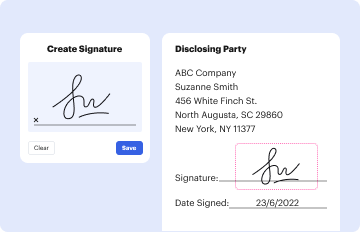
- Sign and Date: Both parties sign and date the agreement to make it legally binding.
- Share Copies: Distribute signed copies to all involved parties for their records.
Example: The landlord agrees to include costs such as water and trash, noted in the agreement under utilities.
How to Obtain the Wisconsin Residential Lease Agreement
Acquiring a Wisconsin Residential Lease Agreement can be done through multiple channels to ensure compliance and legality.
Methods to Obtain
- Online Legal Services: Websites and platforms that provide standardized legal documents.
- Real Estate Professionals: Realtors or property managers often supply these documents.
- Legal Counsel: Legal professionals can draft a bespoke agreement tailored to specific needs.
Each method ensures that the agreement adheres to Wisconsin's legal framework. An online service may offer quick downloads, while lawyers provide comprehensive customization.
Steps to Complete the Wisconsin Residential Lease Agreement
To properly execute this lease agreement, several steps must be taken to ensure accuracy and compliance with Wisconsin law. Providing detailed steps can prevent omissions and errors.
Detailed Completion Process
- Gather Information: Collect necessary details about the property and parties involved.
- Complete Tenant Details: Include full names and contact information for all parties.
- Define Lease Terms: Specify the lease duration and commencement date.
- Outline Financial Obligations: Clearly state rent amount, payment date, and security deposit conditions.
- Include Property Rules: Mention any specific rules or restrictions applicable to the property.
- Specify Maintenance Responsibilities: Clarify which party is responsible for utilities and repairs.
- Signatures: Ensure both landlord and tenant sign and date the document for validity.
Practical example: The agreement requires tenants to maintain the cleanliness of their premises and prohibits smoking within indoor areas.
Important Terms Related to Wisconsin Residential Lease Agreement
Definitions and Clarifications
Understanding the terminology within a Wisconsin Residential Lease Agreement is crucial for ensuring all parties are on the same page.
- Premises: Refers to the physical location and environment being rented.
- Lease Term: The length of time the tenant agrees to rent the property.
- Security Deposit: A monetary deposit held to cover potential damages.
- Rent: Monthly payment amount owed by the tenant for use of the property.
- Utilities: Services such as water, electricity, and trash, which may or may not be included in rent.
These terms must be clearly defined within the document to prevent misunderstandings. For instance, specifying who is responsible for maintaining the lawn helps avoid disputes.
Legal Use of the Wisconsin Residential Lease Agreement
Legality and Enforcement
The Wisconsin Residential Lease Agreement is not just a formal document; it serves as a legal foundation for property rental relationships, enforceable by state law.
Legal Considerations
- Compliance with State Laws: The agreement must meet all Wisconsin real estate laws and regulations.
- Dispute Resolution: Clearly defined processes for resolving disputes, whether through mediation or small claims court.
- Enforcement: In case of breaches, the document provides legal pathways for eviction or remediation.
Examples include specifying how to handle non-payment of rent or illegal activities, ensuring legal recourse for landlords.
Key Elements of the Wisconsin Residential Lease Agreement
Essential components are foundational to the agreement's effectiveness and legality.
Core Elements
- Parties involved: Names and contact details of landlord and tenants.
- Property Description: Full details of the rental unit.
- Financial Details: Rent amount, security deposits, and utility responsibilities.
- Duration: Lease term and relevant renewal conditions.
- Terms and Conditions: Property use guidelines and tenant/landlord obligations.
A well-drafted agreement will clearly state the obligations for both maintenance and rent payment schedules to avoid potential conflicts.
State-Specific Rules for the Wisconsin Residential Lease Agreement
Wisconsin's Unique Regulations
Understanding specific legal requirements under Wisconsin law ensures the lease agreement complies with all necessary regulations.
Key Wisconsin-Specific Regulations
- Rental Restrictions: Wisconsin law regulates certain tenant rights, including the right to privacy and security.
- Deposit Limits: Laws cap the amount a landlord can charge for a security deposit.
- Notification Requirements: Specifies the required notice period for termination or modification of lease terms.
Example: Tenants have 21 days to reclaim a security deposit after moving out, highlighting tenant protections under state law.
Examples of Using the Wisconsin Residential Lease Agreement
Exploring real-life applications helps illustrate the versatility and necessity of a comprehensive lease agreement.
Practical Scenarios
- Student Housing: Often used in college towns to formalize multiple student tenants sharing an apartment.
- Family Rentals: Essential for single-family homes rented to entire families.
- Relocation Leases: Context-specific terms for temporary employee relocations highlight flexibility.
These examples underscore the document's adaptability and critical role in diverse rental contexts, such as short-term corporate housing.


