




Definition & Meaning
A "Lettre de recommandation" is a formal letter written to endorse or vouch for someone's abilities, character, and accomplishments. Typically, it is used in professional settings, such as job applications or academic admissions, where a reliable reference can positively influence the decision-making process. This letter serves as a testament to the individual's skills and traits from a person of authority or familiarity.
In the professional landscape, a "Lettre de recommandation" can significantly impact an employer’s or academic committee's evaluation, providing a personal perspective that resumes or applications alone may not convey. As such, crafting this letter requires careful consideration of the individual's strengths and how they align with the opportunity in question.
Key Elements of the Lettre de recommandation
Crafting an effective "Lettre de recommandation" involves several critical components:
-
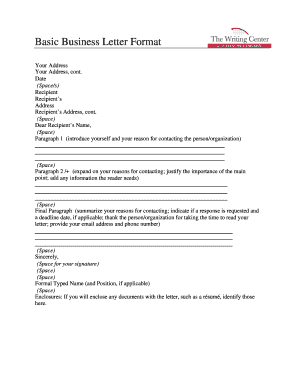
Author Information: The letter should start with the recommender's details, including their name, position, organization, and contact information, which establishes credibility.
-
Introduction: Begin by stating the purpose of the letter and the context of the relationship with the subject. Mention how long and in what capacity you have known the individual.
-
Supportive Anecdotes: Provide specific examples or anecdotes that showcase the individual’s abilities, achievements, and character. This part should align with the attributes that will be valued in the opportunity they are pursuing.
-
Skills and Competencies: Highlight the individual’s key skills and competencies, such as leadership, teamwork, or problem-solving abilities, relevant to their prospective role or program.
-
Conclusion and Endorsement: Close the letter with a strong endorsement, reaffirming your belief in their potential and willingness to provide further information if required.
Steps to Complete the Lettre de recommandation
A methodical approach ensures that the letter is both impactful and genuine:
-
Confirm the Request: Before drafting, confirm all details with the requester, such as deadlines and the specific purpose of the recommendation.
-
Tailor Content: Customize the letter to align with the specific job or academic program the individual is applying for. Ensure that the examples and attributes you highlight match the requirements of the opportunity.
-
Draft and Revise: Create a draft, focusing on clarity and conciseness. Review and revise it to maintain a professional tone and correct any grammatical errors.
-
Final Review: Re-read the letter to ensure all necessary information is included and that it reflects positively on both the individual and you as the recommender.
-
Submission: Deliver the letter in the requested format, whether by email, mail, or uploading to a specific portal.
Who Typically Uses the Lettre de recommandation
The "Lettre de recommandation" is utilized by various individuals across different contexts:
-
Job Seekers: Individuals applying for new job positions often require a recommendation letter to strengthen their applications and provide potential employers with insight into their work ethic and skills.
-
Students: Students seeking admission to academic programs or scholarships may need a "Lettre de recommandation" from teachers, professors, or mentors to highlight their academic achievements and potential.
-
Professionals: Individuals pursuing professional certifications or fellowship programs may also need recommendations to verify their expertise and contributions to their field.


How to Use the Lettre de recommandation
Properly using a "Lettre de recommandation" maximizes its impact:
-
Timing: Provide the letter well ahead of any deadlines to ensure it arrives with the rest of your application materials.
-
Accompanying Documents: Include the letter alongside resumes, cover letters, or personal statements to create a comprehensive application package.
-
Special Instructions: Follow all specific instructions provided by the recipient, such as submitting via a particular portal or adhering to a word limit.
Why You Should Obtain a Lettre de recommandation
The "Lettre de recommandation" holds several benefits, making it an essential tool in professional and academic advancement:
-
Third-Party Validation: It provides an external perspective on your abilities and character, adding credibility to your self-reported skills and achievements.
-
Competitive Edge: In competitive environments, a strong recommendation can differentiate you from other candidates by highlighting unique strengths that meet the role’s or program’s requirements.
-
Network Builder: Requesting and obtaining a recommendation helps strengthen professional relationships, which can be beneficial for future networking opportunities.
Examples of Using the Lettre de recommandation
Real-world scenarios illustrate how a "Lettre de recommandation" can be effectively employed:
-
Graduate School Applications: A professor’s letter highlighting a student’s research capabilities and academic excellence can significantly enhance the student’s application to a prestigious graduate program.
-
Job Promotion: An endorsement from a department head recognizing an employee’s leadership and project management skills may support their application for a managerial position.
-
Volunteer Opportunities: A community leader's testimony about a candidate’s dedication and impact in local volunteer projects can aid their application for international volunteer programs.
Legal Use of the Lettre de recommandation
In the U.S., certain legal considerations apply when writing and using a "Lettre de recommandation":
-
Accuracy: Ensure all information is truthful and based on personal knowledge to prevent potential legal complications.
-
Confidentiality: Avoid disclosing personal or sensitive information without consent, and ensure you have the subject’s agreement to act as a recommender.
-
Non-Discrimination: The content should be free from discriminatory remarks that could lead to legal liability or damage to reputation.