





Definition & Meaning
The "Commercial Receipt Template" serves as a standardized document used to validate the exchange of goods or services for a monetary amount in commercial transactions. This template ensures all essential transaction details are accurately recorded, offering a clear breakdown of the transaction for both the buyer and the seller. Moreover, commercial receipts are fundamental in accounting practices as they serve as proof of transaction and contribute to financial record-keeping and auditing.
In a business context, the commercial receipt includes vital information such as the amount paid, the nature of goods or services exchanged, and the parties involved, thus establishing a legally sound acknowledgment of the transaction. This document plays a crucial role in resolving disputes by serving as a tangible record of the exchanged terms.
How to Use the Commercial Receipt Template
Using the commercial receipt template is a straightforward process designed for efficiency and clarity. Follow these steps to leverage the template effectively:
-
Download or Create the Template: Access a commercial receipt template via DocHub or any compatible software. Ensure that the template aligns with the transaction type and includes all necessary fields.
-
Populate Transaction Details:
- Enter the date of the transaction.
- Fill out details of both the seller and the buyer, including business names, addresses, and contact information.
- Specify the nature of goods or services provided and their quantity and unit price.
-
Payment Information: Clearly indicate the amount paid and the payment method, whether it be cash, credit, or another form of payment. This section may also include any transaction numbers or references.
-
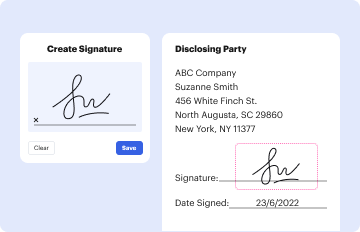
Sign the Document: Both parties or their representatives should sign the receipt for validation. This can be done using electronic signature tools within DocHub, ensuring a legally binding acknowledgment.
-
Store for Records: Ensure both parties retain a copy of the signed document for their records to safeguard against future discrepancies.
Steps to Complete the Commercial Receipt Template
Filling out a commercial receipt template involves a series of steps that ensure thoroughness and accuracy. Below is a detailed process to complete the template efficiently:
-
Heading and Identification:
- Start by entering the title "Commercial Receipt."
- Include a unique receipt number for tracking purposes.
-
Seller’s and Buyer’s Details:
- Provide names and contact information of both parties involved.
- Where applicable, mention any relevant businesses or legal entities.
-
Transaction Description:
- Clearly describe the goods or services exchanged.
- Include details such as serial numbers, product descriptions, and quantities.
-
Amount and Tax Information:
- State the total amount in the appropriate field.
- If applicable, breakdown the tax component and total cost following tax inclusion.
-
Payment Details:
- Note the payment method and reference numbers.
- Detail any terms associated with the payment, such as installment agreements.
-
Signatures and Date:
- Allocate space for signatures and dates.
- Utilize electronic signing options for convenience and compliance.
-
Draft Completion:
- Review to ensure all information has been entered and is correct.
- Save the document securely within your records system.
Key Elements of the Commercial Receipt Template
A thorough understanding of the key components included in a commercial receipt template is essential for its correct use. Significant elements include:
- Transaction Date: Marks the official date of the transaction, critical for record-keeping.
- Receipt Number: A unique identifier assigned to each receipt, aiding in tracking and auditing.
- Parties Involved: Detailed information on the buyer and seller, anchoring the transaction to responsible entities.
- Description of Goods/Services: Clearly outlines what is being purchased/sold, ensuring no ambiguity in the itemized list.
- Total Amount and Taxes: Specifies the financial exchange, highlighting the gross total and any applicable taxes.
- Payment Method: Records the means through which payment was made, be it cash, check, or online transaction.
- Signatures: The area for both parties to acknowledge and confirm the transaction details as entered.
Important Terms Related to Commercial Receipt Template
Recognizing the terminology associated with commercial receipts aids in ensuring compliance and understanding. Essential terms include:
- Invoice vs. Receipt: An invoice requests payment, whereas a receipt is issued post-payment as proof.
- Net Amount: The amount due after taxes and discounts have been applied.
- Depreciable Asset: Any product or item that decreases in value over time, possibly requiring notation.
- Due Diligence: The exhaustive process in which both parties verify the transaction’s legality and accuracy before finalizing the receipt.
- Audit Trail: A history of documented actions related to the transaction, often maintained for compliance purposes.
By familiarizing oneself with these elements, users can utilize commercial receipts effectively in financial tracking and legal purposes.
Why Should You Use a Commercial Receipt Template
The use of a commercial receipt template holds significant advantages, as detailed here:
- Standardization: Ensures all necessary transaction elements are uniformly accounted for, reducing errors and omissions.
- Legal Compliance: Provides a documented form of transaction evidence, minimizing legal disputes and maintaining regulatory compliance.
- Enhanced Record-Keeping: Facilitates superior organizational financial management by maintaining reliable transaction archives.
- Dispute Resolution: Offers indisputable evidence of terms agreed upon, simplifying dispute resolutions.
Employing a structured receipt template promotes consistency and reliability in commercial dealings, vital for business success.
Examples of Using the Commercial Receipt Template
Demonstrating various contexts for employing a commercial receipt template illustrates its versatility:
- Retail Sales: Ideal for point-of-sale transactions in retail, capturing all sale particulars for both the retailer and customer.
- Service Agreements: Service providers can use these to detail completed services and amounts due, such as consultants or freelancers.
- Online Transactions: When selling products online, digital versions of receipts offer both seller and customer proof of purchase.
- Large Corporation Transactions: Essential for business-to-business dealings, ensuring all parties involved in larger transactions are on the same page.
Through these examples, the template’s adaptability for various industries and transaction types is evident, reinforcing its broad application potential.