



Definition & Meaning
The Amendment to Sales Contract is a legal document used to modify or clarify terms in an existing sales agreement between parties, typically involving a buyer and a seller. This form is instrumental in updating terms such as closing dates, payment methods, or price adjustments, ensuring that both parties remain legally compliant and mutually agreeable to any changes made. Amendments are vital as they serve to document any agreed changes formally, maintaining legal enforceability and clarity in the sales contract.
Key Elements of the Amendment to Sales Contract
An Amendment to a Sales Contract typically consists of several crucial components, ensuring its validity and clarity:
- Identification of Parties: Clearly outlines the involved parties, usually the buyer and seller, maintaining consistency with the original contract.
- Contract Reference: Provides a reference to the original sales contract, highlighting the date and any unique identifying elements.
- Description of Changes: Details the exact modifications being made, whether these are adjustments to pricing, deadlines, or other critical terms.
- Effective Date: Specifies the date on which the changes become applicable.
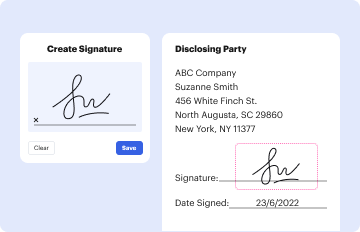
- Signatures: Both parties must sign the amendment for it to be legally binding, with the date of signing also recorded.
These elements ensure that the amendment is comprehensive and provides a clear, legally binding record of any changes to the original agreement.
How to Use the Amendment to Sales Contract
When using an Amendment to a Sales Contract, it’s crucial to follow a systematic approach to ensure accuracy and legal compliance:
- Review the Original Contract: Thoroughly examine the initial contract to understand its terms clearly.
- Draft the Amendment: Clearly articulate the changes to be made, ensuring there is no ambiguity in the revised terms.
- Consult Legal Counsel: Engage a legal professional to review the amendment, verifying its enforceability and compliance with relevant laws.
- Mutual Agreement: Ensure both parties agree to the changes and understand their implications.
- Signature Collection: Obtain signatures from all parties, outdated and with the effective date clearly stated.
Following these steps helps in maintaining the legal integrity of the sales process while accommodating necessary changes.
Steps to Complete the Amendment to Sales Contract
Completing an Amendment to a Sales Contract involves several key steps, each of which plays a crucial role in ensuring that the document is comprehensive and legally binding:
- Identify Details: Begin by identifying the specific details of the original contract, including the names of the parties involved and the contract date.
- Outline Modifications: Clearly outline the changes being made. This should include clear, unambiguous language to specify anything being added, removed, or changed.
- Revise Terms: Adjust existing terms to reflect the changes. If altering payment terms, for instance, detail the new schedule or amounts.
- Review Legal Considerations: Ensure the changes do not conflict with existing legal obligations or statutory requirements.
- Signatures: Secure signatures from all involved parties, ensuring that each agrees to and understands the changes made.
By following these steps, parties can effectively manage changes and maintain a clear, enforceable contract.
Legal Use of the Amendment to Sales Contract
The legal utility of an Amendment to a Sales Contract resides in its ability to formalize changes to an existing agreement without voiding the original contract. This flexibility is essential for adapting to evolving situations that may require updates such as changes in pricing, asset conditions, or timeframes. The amendment operates within the legal framework established by the original contract, ensuring that any modifications are acknowledged and enforceable under the law. This legal rigor also protects participants by ensuring all parties are informed and in agreement with the changes.
State-Specific Rules for the Amendment to Sales Contract
Different states may have specific requirements or standards regarding contract amendments, which can affect how an Amendment to a Sales Contract is executed:
- Notarization Requirements: Some states may require amendments to be notarized to be recognized as legally binding.
- Filing Protocols: Others might mandate that certain amendments be filed with a state or regulatory body, depending on the contract's nature (e.g., real estate transactions).
- Statutory Compliance: State laws can affect stipulations like deadlines for amendments post-original-contract signing.
Understanding and adhering to state-specific rules is essential for the legal validity of a contract amendment. Consulting state regulations or a legal professional for compliance can prevent future disputes.
Important Terms Related to the Amendment to Sales Contract
When dealing with Amendments to Sales Contracts, particular terms are frequently used and are important for clarity and understanding:
- Amendment: Refers to changes made to the original contract to adapt to new conditions or agreements between the parties.
- Modification: Any variation or alteration, typically requiring mutual consent.
- Effective Date: The date when the amendment's terms officially come into effect.
- Addendum: An additional document that may include new terms or conditions, often used interchangeably with amendments.
- Mutual Assent: The agreement of both parties demonstrating that all terms discussed and agreed upon are understood and intended as legally binding.
Comprehending these terms is pivotal in ensuring smooth communication and preventing misunderstandings during contractual negotiations or adjustments.
Why You Should Use an Amendment to a Sales Contract
Utilizing an Amendment to a Sales Contract allows flexibility to update agreements according to evolving circumstances. This is essential when unforeseen changes impact pre-agreed terms:
- Accommodating Changes: Allows for adjustment of terms like payment schedules or delivery criteria without invalidating the original contract.
- Preventing Disputes: A clearly defined amendment helps prevent misunderstandings or disputes that could arise from verbal agreements or informal email exchanges.
- Maintaining Compliance: Ensures that all changes adhere to applicable legal standards and requirements, safeguarding against potential legal challenges.
Using an amendment serves to solidify the understanding and commitment of both parties to revised terms, enhancing the reliability of the sales agreement.