




Definition & Meaning
A Bank Account Ownership Statement is a formal document that validates the ownership of a bank account by confirming the account holder's details. This statement is often used to confirm the legitimacy and authority of a person or entity over a bank account. In financial and legal contexts, it serves as proof of account ownership, especially when multiple parties are involved or to resolve disputes. This documentation is critical when verifying claims related to assets, formalizing financial agreements, and is often requested in legal proceedings or business transactions to ensure that all parties are aware of the account holder's rights and responsibilities.
How to Use the Bank Account Ownership Statement
The Bank Account Ownership Statement is utilized in various scenarios to confirm account ownership. When seeking to verify ownership, present this document to financial institutions, legal entities, or anyone requesting proof of your account legitimization. Utilize it in real estate transactions to substantiate the origination of funds or when applying for loans to demonstrate creditworthiness and transparency of account holdings. It can also be employed within estate planning to detail account division among heirs. Businesses seeking to re-assign accounts to key stakeholders also find this document vital to ensure seamless transitions and prevent unauthorized access.
Practical Examples
- Real Estate Transactions: Use it to confirm that funds for property purchase are drawn from a verified account.
- Bank Loans: Submit as evidence of ownership to authenticate your financial standing during loan applications.
- Estate Planning: Include as documentation within a will to identify account beneficiaries.
Steps to Complete the Bank Account Ownership Statement
Completing a Bank Account Ownership Statement involves several sequential steps to ensure accuracy and compliance:
- Personal Information: Fill in the primary account holder's details, including full name, address, and contact information.
- Account Details: Accurately enter the bank account number, bank name, and branch location.
- Identification Verification: Attach a government-issued ID for verification of the account holder's identity.
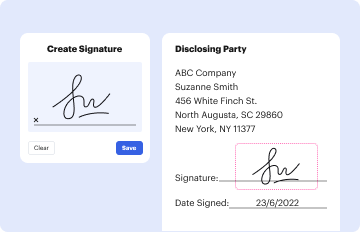
- Authorization Signature: Include the signature of the account holder or authorized representative to certify the accuracy of the information provided.
- Submission: Submit the completed form to the requesting entity, ensuring it's accompanied by any supplementary documentation required for verifying claims.
Tips for Accurate Completion
- Double-check all references to account numbers and names to ensure they match those on the bank's records.
- Ensure that all attached identification documents are current and notarized where necessary.
Who Typically Uses the Bank Account Ownership Statement
The Bank Account Ownership Statement is primarily used by individuals and entities in situations requiring formal verification of account control. This includes:
- Individuals: When applying for loans or financial aid, transferring funds between accounts, or during estate settlements.
- Businesses: For corporate transactions involving account credentials, such as mergers or acquisitions, or when opening subsidiary accounts.
- Legal Entities: To verify account details during litigation or any legal process requiring proof of financial assets.


Common Users
- Executors: Managing estates that include distributing account assets.
- Financial Advisors: Assisting clients in legal and financial matters requiring account specification.

Legal Use of the Bank Account Ownership Statement
The legal use of the Bank Account Ownership Statement extends to several domains, including litigation processes and compliance verifications. Legally, it functions as an affirmation of financial understanding between parties and can be utilized in court cases to validate claims of ownership or financial responsibility. It is commonly requested in legal disputes to substantiate ownership claims over an account and to prevent fraudulent activities, ensuring that transactions and settlements are executed under the rightful owner's authority.
Legal Scenarios
- Litigation: Used during proceedings where account ownership disputes must be resolved.
- Compliance: Required for audits or when complying with financial industry regulations regarding ownership disclosures.
Key Elements of the Bank Account Ownership Statement
The statement comprises several key components that are critical for accurate representation of ownership:
- Account Holder's Information: Specifies the personal and contact details of the individual or entity.
- Bank Information: Details such as bank name, branch, and account number.
- Verification Documents: Includes supporting identification documents.
- Certification Section: Where the account holder or authorized representative certifies the information's accuracy.
Detailed Elements
- Signature Fields: To authenticate the document.
- Date of Issuance: To verify the currency of the information, ensuring its relevance.
State-Specific Rules for the Bank Account Ownership Statement
While the general structure and use of a Bank Account Ownership Statement are universally applicable, certain states impose additional regulations or requirements. These may include the necessity for notarization or additional local regulatory documentation when included as part of legal transactions.
Examples of State Variations
- California: Requires notarization for legal validity in property transactions.
- New York: May need additional affidavits for business-related uses to comply with the state's banking regulations.
Understanding these regulations ensures compliance, especially in multistate contexts where differing legal requirements must be met for a statement to be recognized.