




Definition and Meaning of Colorado Deed of Distribution
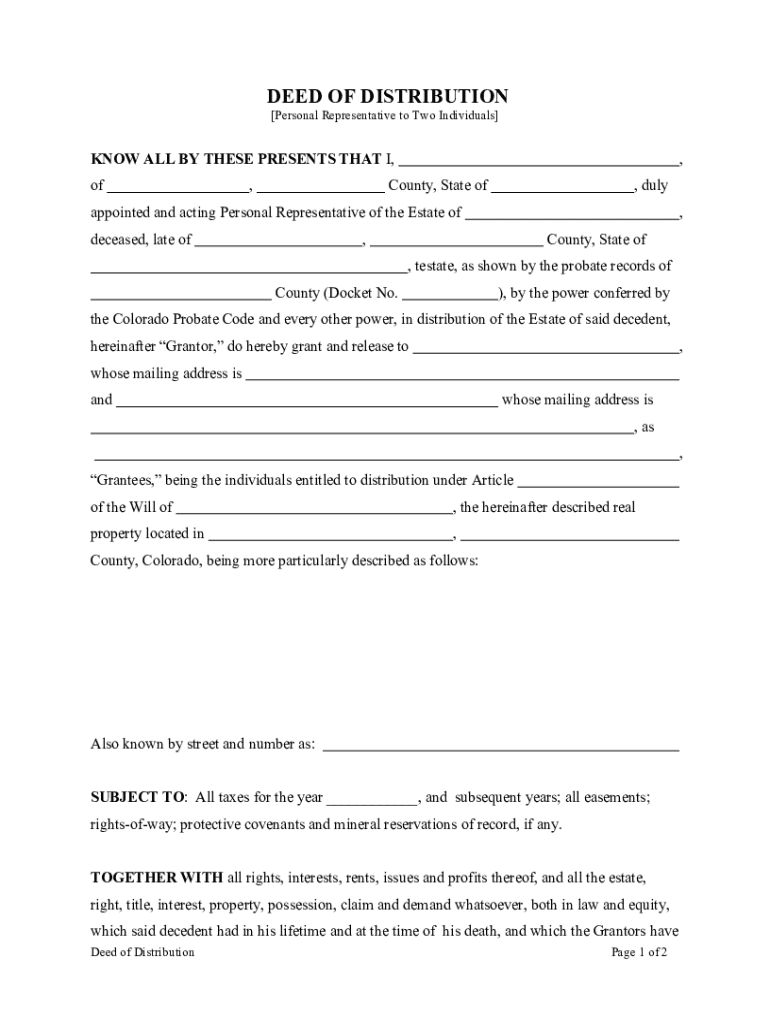
The Colorado Deed of Distribution is a legal instrument used to transfer property ownership from an estate to the beneficiaries named in a will or under state intestacy laws. This deed is typically used by the personal representative of an estate to formally convey property to heirs after a person's death. It is an essential part of estate administration, serving as a confirmation that the decedent's property is distributed according to their wishes or state law if no will exists.
Key Elements
- Personal Representative: The individual responsible for managing the deceased's estate. This person is typically appointed in the will or by the probate court.
- Beneficiaries: The parties entitled to receive the property, as stipulated in the will or determined by intestacy laws.
- Legal Description: A detailed description of the property being transferred, ensuring clarity and accuracy in real estate records.
How to Use the Colorado Deed of Distribution
Utilizing the Colorado Deed of Distribution involves several critical steps to ensure proper execution and legality. For personal representatives, understanding these procedures is vital.
Steps for Usage
- Appointment Confirmation: Ensure you are legally authorized as the estate's personal representative.
- Gather Necessary Information: Collect details about the beneficiaries and the property, including any legal descriptions and encumbrances.
- Preparation of the Deed: Draft the Colorado Deed of Distribution, either through legal software or with the assistance of an attorney, to ensure accuracy.
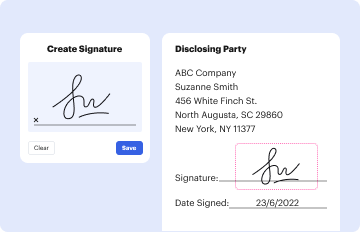
- Execution: Sign the deed in the presence of a notary public to validate the document legally.
- Record the Deed: File the deed with the county clerk and recorder's office where the property is located to update the land records officially.
Steps to Complete the Colorado Deed of Distribution
Completing the Colorado Deed of Distribution requires attention to detail and adherence to legal requirements for it to be enforceable.
- Complete Personal Information: Insert your full legal name and contact information as the personal representative.
- Detail the Property: Provide a precise legal description of the property, which can be typically found on the previous deed.
- Identify Beneficiaries: Clearly name each beneficiary entitled to receive property, matching what is designated in the will or by relevant laws.
- Sign with a Notary: Both you and a notary public must sign the document. The notary will verify identities and witness the signing.
- File and Pay Fees: Submit the signed document to the county recorder's office, along with any recording fees.
Who Typically Uses the Colorado Deed of Distribution
The primary users of the Colorado Deed of Distribution are personal representatives of estates. These are individuals tasked with executing the deceased person's final affairs, ensuring that estate assets are handled correctly and legally.

Typical Users Include:
- Executors: Named in the will to carry out the decedent’s instructions.
- Administrators: Appointed by the court when there is no will present.
- Estate Attorneys: Legal professionals helping to draft and ensure compliance with estate documents.
Legal Use of the Colorado Deed of Distribution
The deed’s legal usage involves transferring title ownership from the estate to the rightful beneficiaries, complying with the probate court's directives.
Compliance Requirements
- Probate Process: This deed is not valid until it aligns with the probate process.
- Filing in Correct Jurisdiction: It must be recorded where the property resides, per Colorado law.
- Court Approval: In some cases, court approval may be needed before executing the deed.
Important Terms Related to the Colorado Deed of Distribution
Understanding the terminology is pivotal for effective document preparation and execution.
- Intestate: Refers to dying without a will, where state law determines property distribution.
- Probate: The legal process of administering a deceased person’s estate.
- Heir: A person legally entitled to the property when someone dies without a will.
State-Specific Rules for the Colorado Deed of Distribution
Using a Colorado Deed of Distribution involves abiding by specific state mandates and legal frameworks.
Notable Rules
- Notice of Hearing: Some situations may require notifying interested parties about the hearing regarding the distribution.
- Recording Statutes: Colorado mandates that deeds be recorded to affect legal property rights transfer effectively and to update public records.
- Time Limitations: There may be specific timelines by which the deed must be filed following probate approval, impacting eligibility for title transfer.
Examples of Using the Colorado Deed of Distribution
Practical scenarios illustrate how this deed functions in real estate and estate settlements.
Real-World Scenarios
- Family Heirloom Distribution: After probate, a decedent’s family cabin passed to children, documented via this deed.
- Partner Estate Transfer: For an unmarried couple, the surviving partner, named in the will, receives property using this deed, formalizing ownership transition legally.
Each block aims to provide a comprehensive understanding of the Colorado Deed of Distribution, equipping personal representatives and beneficiaries with the insights needed for effective execution and legal compliance.