




Definition and Purpose of the Fire Fighter II Skills Performance Sheet
The Fire Fighter II Skills Performance Sheet is a critical tool used in assessing the competencies and skills of individuals training to become or currently serving as Fire Fighter II. This document often aligns with standards set by organizations like the National Fire Protection Association (NFPA), specifically the NFPA Edition, which outlines essential skills for firefighting personnel. By ensuring consistent evaluation, the performance sheet supports both trainees and evaluators in maintaining high standards of fire safety and effective firefighting operations.
The performance sheet serves multiple purposes, such as providing a structured framework for assessing fire ground communications, operational procedures, and coordination during interior attack scenarios. These aspects are paramount for safety and effectiveness during firefighting operations. Additionally, the sheet acts as a formal record, reflecting the training progress and proficiency of fire fighters towards meeting standardized criteria.
How to Use the Fire Fighter II Skills Performance Sheet
Utilizing the Fire Fighter II Skills Performance Sheet effectively requires thorough understanding and systematic approach. Here’s how to maximize its use:
-
Familiarize with the Criteria:
- Before starting evaluations, trainers should familiarize themselves with each section of the performance sheet to understand the specific competencies being measured.
- Review each skill station, such as Fire Ground Communications and Interior Attack Coordination, to understand the expectations and assessment parameters.
-
Conducting Evaluations:
- Set clear objectives and explain the assessment process to trainees so they are aware of what is expected.
- Observe and assess the trainees as they perform various tasks, ensuring that each skill station is observed under conditions that simulate real-life firefighting scenarios as closely as possible.
-
Documenting Performance:
- Use the performance sheet to record observations and evaluate each skill level.
- Annotate specific areas where trainees excel or require further improvement, offering notes that can guide future training efforts.
Steps to Complete the Fire Fighter II Skills Performance Sheet
Completing the Fire Fighter II Skills Performance Sheet entails a detailed and methodological approach:
-
Setup and Preparation:
- Ensure all materials and equipment required for each skill station are available. Prepare the environment to reflect scenarios that fire fighters may encounter in their duties.
-
Conduct Each Skill Test:
- Work through each skill station, starting with fire ground communications, and then moving through subsequent sections such as operations coordination.
- For each skill, prompt the trainee to perform the task while you assess their competence and adherence to safety protocols.
-
Record Observations:
- As you evaluate each skill, diligently record observations on the performance sheet. Take notes of any challenges faced by the trainee and their ability to rectify such situations.
-
Provide Feedback:
- After completing the assessments, provide immediate feedback to the trainees, highlighting their strengths and areas needing improvement.
- Encourage them to ask questions and engage in discussion about the skills being assessed.
-
Finalize and Review:
- Review the completed performance sheet to ensure all sections are appropriately filled out.
- Store the document in an organized manner for future reference and as part of the trainee’s official record.
Key Elements of the Fire Fighter II Skills Performance Sheet
Understanding the key elements of the Fire Fighter II Skills Performance Sheet enhances its utility. These elements typically include:
-
Skill Stations:
- Each station focuses on a particular set of skills critical to firefighting, like communication, equipment handling, or teamwork during emergency operations.
-
Evaluation Criteria:
- Specific standards must be met for each skill, often grounded in widely-accepted guidelines like those from NFPA.
-
Observation Notes:
- Detailed notes capturing real-time performance observations, providing context beyond quantitative scores.
-
Proficiency Ratings:
- Using a rating system to measure competence level helps in determining whether the trainee meets the required standard for firefighting skills.
-
Trainee Feedback:
- Noting feedback in the sheet aids in tracking progression and addressing concerns or learning gaps.
Legal Use of the Fire Fighter II Skills Performance Sheet
The Fire Fighter II Skills Performance Sheet plays a role within regulatory and legal frameworks:
-
Compliance with Standards:
- Fire department training programs use performance sheets to ensure compliance with NFPA and other regulatory standards.
-
Documentation for Audits:
- Fire departments can use these documents as part of their training audit records to demonstrate adherence to prescribed training guidelines and readiness protocols.
-
Legal Accountability:
- In instances of firefighting operations gone awry, performance sheets can serve as evidence of completed training and assessment, reinforcing legal accountability for training programs.
State-Specific Rules for the Fire Fighter II Skills Performance Sheet
Different states may have variation in guidelines or additional requirements concerning the use of the Fire Fighter II Skills Performance Sheet:
-
Variable Regulations:
- While many states follow NFPA standards, local jurisdictions may impose additional regulations or require specific modifications to the performance sheet to address regional firefighting challenges, such as wildfires or urban fire incidents.
-
State-Mandated Additions:
- Some states might mandate additional skill stations or alternate criteria focusing on local firefighting techniques or equipment.
Understanding and integrating these state-specific rules into the performance sheet process is essential for maintaining legal and operational compliance across various jurisdictions.
Examples of Using the Fire Fighter II Skills Performance Sheet
Consider these real-world scenarios to illustrate the utility of the Fire Fighter II Skills Performance Sheet:
-
Scenario 1: Urban Firefighting Situations:
- An urban firefighting department uses the performance sheet to assess and improve communication skills essential for coordinated efforts in apartment complex fires.
-
Scenario 2: Wildland Fire Operations:
- In regions prone to wildfires, the sheet helps instructors emphasize skills like strategic planning and equipment handling specific to these situations.
-
Scenario 3: Team Coordination Drills:
- Departments may focus on team-based scenarios where coordination under stress is evaluated, ensuring all members can work seamlessly under high-pressure situations.
Legally Binding Electronic Signatures on Performance Sheets
DocHub’s capability for electronic signatures can be leveraged for completing the Fire Fighter II Skills Performance Sheet efficiently:
-
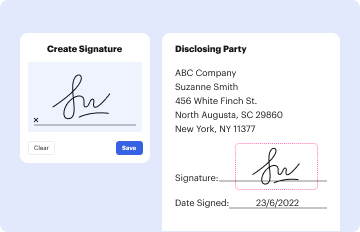
Signature Options:
- Trainers and assessors can electronically sign performance sheets, ensuring that each completion is validated and legally binding.
-
Secure Signing:
- Utilizing electronic signatures ensures security and adherence to legal requirements, such as those outlined in the ESIGN Act, providing legal credibility to digitally signed documents.
-
Streamlined Process:
- The ability to sign documents digitally streamlines administrative processes and maintains an efficient, digital-first approach to document management.
These capabilities ensure that the Fire Fighter II Skills Performance Sheet is not only a critical assessment tool but also a legally sound document that supports the high standards of training required in firefighting.