






Definition & Meaning
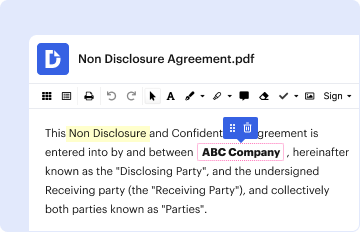
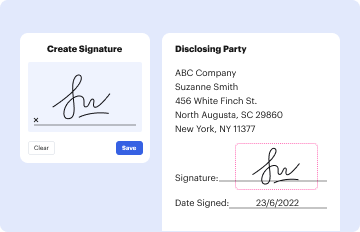
"Form online" refers to the digital format of various forms that can be completed, submitted, or utilized directly through an online platform. Utilizing online forms streamlines many processes across different sectors, including legal, tax, business, and personal matters. Typically, these forms are interactive, featuring fields for users to input information directly, submit to relevant parties, or store digitally for record-keeping.
Online forms have become increasingly popular due to their convenience, speed, and flexibility. They eliminate the need for physical paperwork and ensure that users can access, complete, and submit forms from virtually anywhere with an internet connection. The transition from offline paper forms to online versions is driven by the need to enhance efficiency, reduce errors, and facilitate easier data management and sharing.
How to Use the Form Online
-
Accessing the Form:
- Visit the website offering the specific form you need (e.g., a government, business, or educational website).
- Ensure your device is connected to the internet and your browser is up to date for optimal compatibility.
-
Completing the Form:
- Read through all the instructions provided on the form page carefully to understand any specific requirements.
- Fill in the necessary fields clearly and accurately. Often, the form will include required and optional fields—make sure all mandatory areas are completed to proceed.
-
Error Checking:
- Prior to submission, review the form for any errors or omissions. Many online forms offer real-time validation to prompt corrections or highlight missing information.
-
Submission:
- Follow the specified submission steps, which may include clicking a "submit" button, uploading supplementary documents, or sending the completed form to a designated email address.
- Some platforms may offer a confirmation message or email to indicate successful submission.
Steps to Complete the Form Online
-
Install Necessary Software or Apps:
- For forms that require specific software (like PDF viewers or unique browsers), ensure these are installed beforehand.
-
Open the Form:
- Use a compatible web browser to open the form link.
- If available, you can also import forms from cloud services such as Google Drive or Dropbox for easier access.
-
Fill Out Details:
- Enter information in all required fields. This can include personal information, application specifics, or detailed descriptions, depending on the form type.
-
Save Progress:
- Many online forms allow you to save progress, enabling you to return later to complete it. Make regular saves to avoid data loss.
-
Review and Confirm:
- Double-check your entered data against original documentation to ensure there are no discrepancies.
- Use any preview or review functions provided to verify how the completed form will appear to the recipient.
-
Final Submission:
- Submit the form following the instructions—this may include clicking a specific button or emailing a downloaded copy to relevant parties.
Why Should You Form Online
Adopting online forms over traditional paperwork offers several advantages:
-
Efficiency: Online forms significantly reduce the time associated with sending or receiving documents, offering instant transmission.
-
Convenience: Users can complete forms at their own pace from any location, eradicating the need for physical office visits.
-
Accuracy: Built-in validation can reduce typographical errors and omissions by immediately notifying users of incorrect or incomplete fields.
-
Environmentally Friendly: Reducing paper usage helps minimize physical waste, contributing to greener practices.
Who Typically Uses the Form Online
Various individuals and organizations benefit from using online forms, including:
-
Businesses: For applications like employee onboarding, customer feedback, or service agreements.
-
Educational Institutions: Collecting enrollment data, student information, or feedback forms.
-
Government Bodies: For public service applications, license renewals, or census data collection.
-
Healthcare Providers: Managing patient information, consent forms, and appointment scheduling.


Key Elements of the Form Online
To create a form that is effective and user-friendly:
-
Field Types:
- Offer a range of fields such as text boxes, radio buttons, dropdown menus, and checkboxes for diverse input types.
-
Instructions:
- Clearly state what information is required and any guidelines for completing the form.
-
Validation Logic:
- Implement real-time checks to ensure data correctness before submission.
-
Accessibility:
- Make forms compatible with assistive technologies to ensure all users, including those with disabilities, can access and complete them.
State-Specific Rules for the Form Online
Online forms may vary by state, especially in legal and regulatory contexts:
-
Legal Compliance:
- Different states may have unique legal requirements for signing, storing, or submitting forms online. Familiarize yourself with any state-specific regulations or guidelines.
-
Data Privacy:
- Consider variations in data protection laws that may impact form storage or submission practices, particularly between states like California with specific privacy acts versus others with different rulings.
Required Documents for Completing the Form Online
Completing online forms may necessitate supplementary documentation, such as:
- Identification: A copy of a driver’s license or passport.
- Financial Records: Recent tax returns, bank statements, or payroll slips for financial forms.
- Supporting Evidence: Documentation like birth certificates, marriage licenses, or medical records, depending on the form context.
Prepare these documents in digital format, ensuring they are legible and available for upload when prompted.