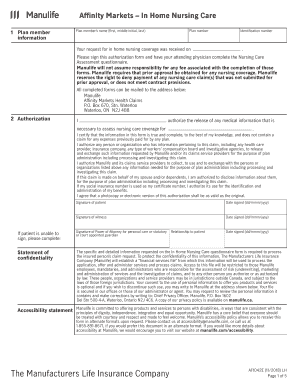
Understanding the Viral Hepatitis Case Report Form
The Viral Hepatitis Case Report Form is a critical tool used by healthcare professionals to report and monitor cases of viral hepatitis. This form captures detailed information about the patient's identity, medical history, clinical diagnosis, and laboratory results. By collecting this data, health authorities can track and manage hepatitis outbreaks more effectively. This form is essential for maintaining data accuracy and supporting public health initiatives aimed at controlling and preventing hepatitis infections.
How to Obtain the Viral Hepatitis Case Report Form
Healthcare providers can obtain the Viral Hepatitis Case Report Form through multiple channels. These forms are usually accessible via local health departments or directly from the Centers for Disease Control and Prevention (CDC) websites. Additionally, medical institutions may have printed copies available or offer digital versions through their intranet systems. Secure access to these forms ensures timely and accurate reporting of hepatitis cases.
Steps to Complete the Viral Hepatitis Case Report Form
Completing the Viral Hepatitis Case Report Form requires careful attention to detail:
- Patient Information: Start with the patient’s demographic information, including name, address, and contact details.
- Clinical Diagnosis: Record the diagnosis, specifying the type of hepatitis (A, B, C, etc.) and any symptomatic details noted during the examination.
- Laboratory Results: Fill in the lab results, including serological tests and liver function tests that confirm the diagnosis.
- Vaccination and Treatment History: Note if the patient has received vaccinations or treatment for hepatitis previously.
- Risk Factors: Identify potential risk factors such as travel history, drug use, or sexual practices that may have contributed to the infection.
- Submission: Verify all information for accuracy and completeness before submitting it to the designated health department.
Key Elements of the Viral Hepatitis Case Report Form
The form is structured to capture comprehensive data critical for epidemiological studies:
- Identification Section: Contains fields for patient identifiers and contact information.
- Medical History Section: Gathers previous medical conditions and treatments relevant to hepatitis.
- Clinical Information Section: Covers symptoms, clinical findings, and diagnosis details.
- Epidemiological Information: Includes questions about possible exposure and risk behaviors.
- Laboratory Data Section: Records all pertinent test results that support the clinical diagnosis.
Who Typically Uses the Viral Hepatitis Case Report Form
The primary users of the Viral Hepatitis Case Report Form include:
- Healthcare Providers: Physicians, nurses, and laboratory technicians who diagnose and manage hepatitis cases.
- Public Health Officials: Personnel involved in tracking, analyzing, and responding to hepatitis outbreaks.
- Research Institutions: Organizations conducting studies on viral hepatitis to develop better treatment and prevention strategies.


Legal Use of the Viral Hepatitis Case Report Form
The form must adhere to privacy laws such as the Health Insurance Portability and Accountability Act (HIPAA). All patient information collected through this form is considered confidential and should be handled with strict security measures. Legal mandates require accurate reporting for public health purposes, enabling health authorities to monitor and control the spread of viral hepatitis efficiently.
State-Specific Rules for the Viral Hepatitis Case Report Form
Certain states might have unique reporting requirements or additional fields on the form to address regional health concerns. Healthcare providers should ensure they are familiar with their state's specific guidelines to comply with both state and federal requirements. State health departments often provide training and resources to assist with accurate form completion.
Examples of Using the Viral Hepatitis Case Report Form
Healthcare facilities utilize this form in real-world situations like:
- Tracking Outbreaks: During a sudden rise in hepatitis cases, forms help pinpoint sources and spread patterns.
- Routine Surveillance: Continuous collection of data ensures early detection of trends or anomalies in infection rates.
- Public Health Interventions: Data from the form guides decisions on preventive measures and allocation of resources for intervention strategies.
Required Documents for the Viral Hepatitis Case Report Form
When submitting the form, ensure the following documents are attached:
- Lab Reports: Official laboratory results confirming the hepatitis diagnosis.
- Medical Records: Any relevant medical history that supports the case details.
- Vaccination Records: Proof of any vaccinations received that are pertinent to hepatitis.
Form Submission Methods (Online / Mail / In-Person)
The form can be submitted through various channels based on organizational preferences:
- Online: Fill in and submit through secure portals provided by health departments.
- Mail: Send completed physical forms to the designated health office.
- In-Person: Deliver the form to a local health department office to ensure personal contact and immediate feedback.
By following these detailed guidelines and utilizing the Viral Hepatitis Case Report Form effectively, healthcare professionals contribute to a greater understanding and management of viral hepatitis within the public health framework.