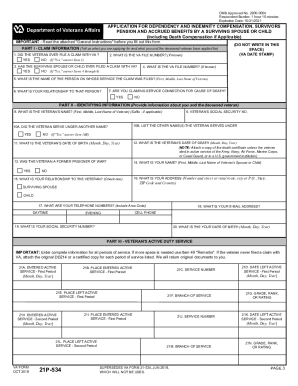
Definition and Importance of the Surgical History Template
The surgical history template is a standardized medical document used to record a patient's past surgical procedures and hospitalizations. It serves as a comprehensive tool for healthcare providers, aiding in the assessment and management of a patient's medical background. Understanding a patient's surgical history is crucial for diagnosing conditions, planning future treatments, and avoiding potential complications during medical procedures. The template generally includes details such as the type of surgery, date, hospital name, and any postoperative complications. It helps ensure continuity of care by providing clear, concise, and easily accessible information.
How to Use the Surgical History Template
There are several steps involved in effectively utilizing the surgical history template:
-
Patient Information Collection - Start by gathering basic patient details like name, date of birth, and contact information. This data serves as the foundational reference for the entire medical record.
-
Input Surgical Procedures - Fill in details of each surgical procedure the patient has undergone. This includes the type of surgery, the date it was performed, and the healthcare facility where it occurred. Providing accurate dates is essential for understanding the timeline of medical interventions.
-
Document Complications - Record any complications or adverse events that arose during or after the surgery. This information assists in identifying potential risk factors for future treatments.
-
Update Regularly - Ensure that the template is updated as new surgeries occur or additional information becomes available. Regular updates provide a comprehensive historical account essential for optimal healthcare delivery.
Steps to Complete the Surgical History Template
Completing a surgical history template requires attention to detail and accuracy:
-
Review Previous Records - Ensure you have access to prior medical records to fill in historical surgeries accurately. This might involve collaborating with previous healthcare providers or accessing health databases.
-
Interview the Patient - Conduct a thorough patient interview to capture any surgeries not documented in previous records. Patient feedback is key to filling gaps in the medical history.
-
Cross-verify with Family History - Sometimes, family members provide additional insights or remember surgeries the patient might not recall. This cross-verification adds a layer of accuracy.
-
Consistent Entry Format - Use a consistent format when entering details to maintain the readability and usability of the document. Standardizing entries helps different healthcare providers interpret the history correctly.
Key Elements of the Surgical History Template
The surgical history template is composed of several critical elements that make it a valuable tool in medical settings:
-
Patient Identification: Includes personal information like name, age, and medical record number.
-
Surgical Details: Lists each surgery with specifics such as type, date, surgeon’s name, and facility.
-
Postoperative Notes: Provides information on recovery and any complications to assess risk for future operations.
-
Medications and Allergies: Insights into current medications or known allergies that could impact surgical outcomes.
-
Family Medical History: Offers context with genetic conditions that may inform post-surgical care or future procedures.
Who Typically Uses the Surgical History Template
A broad range of healthcare professionals relies on the surgical history template:
-
Surgeons and Specialists: Use it to evaluate risk, plan upcoming surgeries, and tailor postoperative care.
-
Primary Care Physicians: Reference it for regular health checks and in managing chronic conditions.
-
Nurses and Medical Assistants: Utilize it for patient assessments and preparing patients for procedures.
-
Emergency Room Personnel: Refer to it for quick insights into a patient’s surgical past during acute care scenarios.


Important Terms Related to the Surgical History Template
Understanding specific terminology ensures the surgical history template is used effectively:
-
Anesthesia Record: Links to the type of anesthesia administered, relevant for understanding patient's reactions in past surgeries.
-
Intraoperative Events: Describes any events occurring during surgery, crucial for anticipating similar scenarios in future procedures.
-
Post-Surgical Complications: Includes any issues like infections or prolonged recovery, affecting future surgical planning.
-
Preoperative Evaluation: Lists assessments conducted prior to surgery, giving insight into the initial patient condition.
Legal Use of the Surgical History Template
The surgical history template is not just a medical document; it has legal implications:
-
Patient Rights: Patients have the right to access their surgical history, ensuring they are informed about their medical past.
-
Confidentiality: Healthcare providers must ensure the template is stored securely and shared only with authorized personnel, aligning with HIPAA regulations.
-
Informed Consent: The template often gets referenced during the informed consent process, ensuring patients understand the potential risks based on their history.
State-Specific Rules for the Surgical History Template
Variations can exist between states regarding aspects like data storage and sharing:
-
Data Retention Laws: Some states mandate the minimum period for which medical records, including surgical histories, must be retained by healthcare facilities.
-
Patient Access Rights: Differences may occur in how patients can request and receive their surgical history, influencing how healthcare providers manage and release these records.
-
Disclosure Regulations: State-specific guidelines may dictate how surgical history data can be shared between medical institutions, impacting continuity of care across locations.