
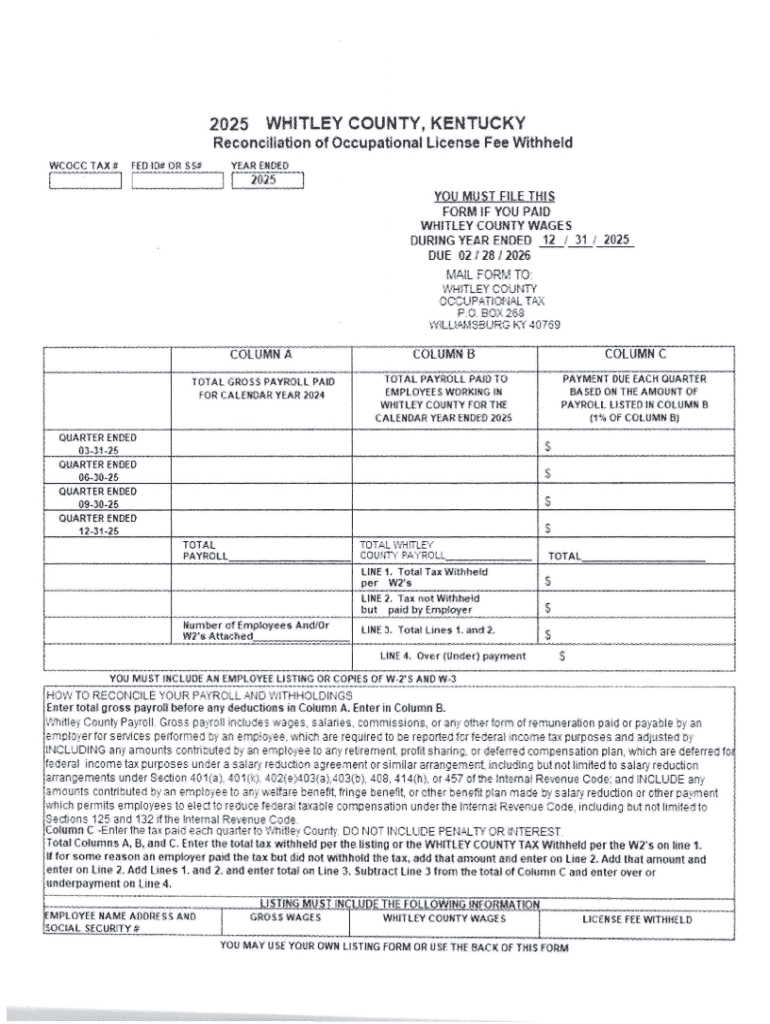







Definition and Meaning of Form Online
The term "form online" refers to digital forms that can be filled and submitted through an internet platform. Unlike traditional paper forms, these online versions are designed to streamline data entry and improve accessibility. They often come with interactive elements such as dropdown menus, checkboxes, and signature fields to enhance user experience. Online forms are used across various sectors, from government institutions to private businesses, facilitating activities like job applications, tax filings, and surveys.
How to Use the Form Online
Using an online form typically involves several key steps. First, you must access the form through a web browser via a shared link or a portal on the hosting website. Once opened, you can begin by entering the required information into designated fields. Many platforms, like DocHub, offer tools to edit and annotate the form, such as adding text boxes, highlighting sections, or including electronic signatures. After filling out the form, you can submit it directly online, download a copy for personal records, or share it with relevant parties via email.
Steps to Complete the Form Online
- Access the Form: Visit the website hosting the form or click on a direct link provided.
- Review Instructions: Before filling out the form, read any instructions or guidelines to ensure accurate completion.
- Input Data: Enter information into each required field, ensuring all fields are filled out correctly.
- Attach Additional Documents: If necessary, upload supplementary documents or evidence as specified.
- Review Your Entries: Double-check all entries for accuracy before submission.
- Submit the Form: Follow the platform’s submission process, which ideally includes options for downloading a copy.
- Confirmation: Look for a confirmation message or email to verify that the form has been successfully submitted.
Why Should You Form Online
Filling forms online offers numerous advantages. It reduces paperwork and the risk of data loss, providing an environmentally friendly alternative to paper. Online forms also improve efficiency by allowing faster submission and processing times, as there is no need for physical mailing or manual entry by administrators. For users, accessibility is enhanced because forms can be completed from virtually anywhere with internet access, making it convenient to meet deadlines.
Key Elements of the Form Online
- Interactive Fields: Online forms offer a variety of input fields such as text boxes, checkboxes, and dropdown menus to tailor data entry.
- Validation Checks: Automated validation ensures that data entries meet specific formats, reducing errors in submission.
- Security Features: Secure online forms, like those on DocHub, use encryption and access controls to protect sensitive information.
- Electronic Signatures: The capability to add legally binding electronic signatures facilitates processes that require sign-offs.
Legal Use of the Form Online
Forms available online must adhere to legal standards to ensure validity and enforceability. For instance, documents requiring signatures should comply with the ESIGN Act, ensuring that electronic signatures hold the same legal weight as handwritten ones. Users should also ensure that any sensitive data collected is in compliance with privacy laws like the General Data Protection Regulation (GDPR) or the California Consumer Privacy Act (CCPA), depending on jurisdiction.
Form Submission Methods (Online/Mail/In-Person)
While online submission is the most prevalent and efficient method, some forms can also be submitted via traditional means. For users preferring mail or in-person submission, forms can often be downloaded, filled out, printed, and then physically submitted. However, it is important to note that online submissions often have a faster processing time and lower risk of errors, as they mitigate issues related to handwriting and physical document handling.
Examples of Using the Form Online
- Job Applications: Candidates submit their personal information, resumes, and cover letters through an employer’s online application form.
- Tax Filings: Many taxpayers file their income tax returns online using forms provided by the IRS, enabling a quicker turnaround on processing.
- Surveys and Feedback: Businesses collect customer feedback efficiently using online form tools to gain insights into customer satisfaction and preferences.
State-Specific Rules for the Form Online
When utilizing online forms, particularly those connected to state-specific requirements such as permits or tax forms, it's crucial to understand the regulations applicable in each jurisdiction. Different states may have varying rules regarding submission deadlines, required supporting documents, and data protection measures. For instance, some states may require specific disclosures or supporting information that must accompany the online submission.




