Definition and Purpose of the Medical Certificate of Fitness to Fly
A medical certificate of fitness to fly serves as an official document certifying that a passenger with a medical condition is fit for air travel. Typically issued by a healthcare provider, this certificate outlines the passenger’s health status and any special requirements necessary for flying safely. Such certificates are often necessary for individuals with specific medical conditions, ensuring the safety of both the passenger and the airline crew.
Specific Conditions Requiring Certification
Certain medical conditions may necessitate a fitness to fly certificate. These include, but are not limited to, respiratory issues, recent surgical procedures, cardiovascular conditions, and mental health concerns. For instance, passengers who have recently undergone surgery might require clearance, as rapid changes in cabin pressure could affect their recovery.
Practical Examples
Consider a passenger who has recently experienced a heart attack. In this case, a medical certificate could detail the stability of their condition, medication requirements during the flight, and any mobility support if necessary. Another example involves a traveler with a respiratory condition who may need supplemental oxygen; the certificate would specify the required equipment and usage during the flight.
Steps to Obtain the Medical Certificate of Fitness to Fly
Obtaining this certificate involves a multi-step process to ensure all safety protocols are adhered to, both for the traveler and the airline.
-
Consultation with Healthcare Provider:
- Schedule an appointment with your doctor.
- Discuss your medical history and upcoming travel plans.
-
Medical Evaluation:
- Undergo any required tests or assessments recommended by your doctor.
- These may include lung function tests, blood pressure monitoring, or imaging scans.
-
Documentation Preparation:
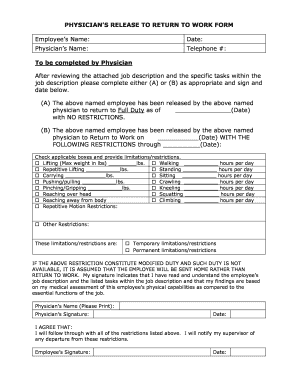
- Doctors fill out the necessary forms, detailing your condition and any travel considerations.
- Ensure all information is clear and accurate to prevent travel delays or complications.
-
Submission to Airline:
- Submit the completed certificate to the airline prior to travel.
- Adhere to any airline-specific deadlines for document submission.
In-Depth Analysis
For patients with complex health conditions, the evaluation might be more extensive. This could involve consultations with multiple specialists to gather comprehensive health data. It’s also important to note that some airlines have their own medical departments that review these certificates.
Key Components of the Medical Certificate of Fitness to Fly
To ensure the document fulfills its purpose, several key elements must be included in a medical certificate of fitness to fly:
- Patient Information: Full name, date of birth, and contact information.
- Medical Condition Summary: A detailed explanation of the condition and any potential risks associated with flying.
- Fitness Declaration: A statement from the healthcare provider affirming the patient’s ability to fly.
- Recommendations and Restrictions: Any specific instructions or limitations during flight, such as the use of mobility aids or dietary restrictions.
Additional Considerations
Including emergency contact information and details of ongoing treatments could enhance the document's utility. Specifying the duration for which the certificate is valid helps both healthcare providers and airline representatives manage future travel arrangements.
Legal Implications of the Medical Certificate of Fitness to Fly
From a legal standpoint, the medical certificate of fitness to fly is essential for both compliance and liability purposes. Airlines need these documents to ensure they are meeting safety regulations, while passengers use them to validate their fitness to travel.
U.S. Regulations and Guidelines
In the United States, regulatory bodies such as the Federal Aviation Administration (FAA) and Department of Transportation (DOT) may have guidelines that dictate when and how these certificates should be issued. Airlines might require adherence to these standards to mitigate legal risks.
Case Study
Consider the scenario where a passenger travels without a necessary certificate and experiences a medical emergency mid-flight. The absence of proper documentation could result in legal ramifications for both the passenger and the airline, emphasizing the importance of the certificate.
Who Typically Uses the Medical Certificate of Fitness to Fly
Travelers with pre-existing health conditions predominantly use this certificate. Specific demographics include:
- Elderly Passengers: Individuals over a certain age with health conditions may require verification to ensure their ability to fly safely.
- Pregnant Women: Typically, women in their third trimester may need certification to fly, although this varies by airline.
- Disabled Travelers: Passengers with physical or developmental disabilities often need documentation outlining necessary accommodations.


Impact on Airlines
Airlines benefit from having these certificates as they streamline the boarding process and enhance the safety measures in place for passengers requiring special attention during flights.
Important Terms Related to the Medical Certificate of Fitness to Fly
Becoming familiar with the terminology associated with this certificate can clarify its usage and requirements.
- Fit to Fly: The determination that a passenger is healthy enough for air travel.
- Contraindications: Specific conditions or factors that could hinder safe travel.
- Medical Clearance: The approval granted by healthcare professionals or airlines when a passenger's health status is confirmed.
Terms Explained with Examples
For example, contraindications might include conditions like severe emphysema, where flying could exacerbate symptoms. Medical clearance could involve verification processes with the passenger’s healthcare provider and the airline’s medical team.
Common Scenarios Involving the Medical Certificate of Fitness to Fly
Certain scenarios demonstrate the utility of this document more clearly:
- Emergency Medical Situations: Passengers who require immediate medical intervention are facilitated smoothly with a pre-issued certificate.
- Flight Adjustments: Airlines can make necessary adjustments to accommodate passengers if they have prior information about specific medical needs.
- Assistance and Services on Board: Enhanced preparation ensures passengers receive the necessary in-flight aids, from wheelchairs to additional oxygen.
Real-World Example
For instance, a traveler with severe nut allergies would benefit from having a certificate that advises cabin crew to eliminate nuts from the passenger’s vicinity, preventing allergic reactions.
Versions or Alternatives to the Medical Certificate of Fitness to Fly
While the medical certificate of fitness to fly is standard, there are alternatives and variations for different situations:
- Medical Incident Form: Sometimes used in cases of medical incidents that occur unexpectedly and require immediate attention.
- Electronic Health Records (EHR): These can be used in tandem with certificates to provide comprehensive insight into the passenger’s health.
Adaptation to Modern Needs
With advances in digital technology, some airlines accept electronic forms in place of physical documents. Systems that integrate with electronic health records streamline this process, allowing faster, more efficient verification.