






Definition & Meaning
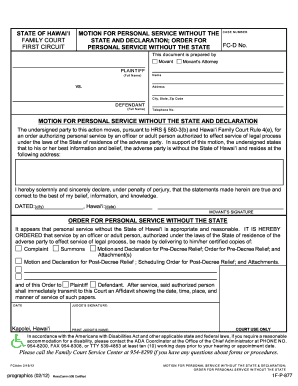
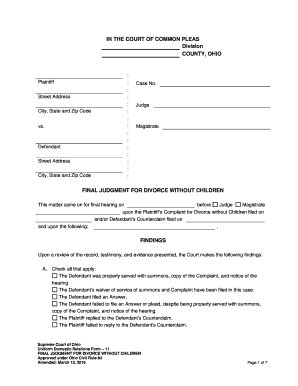
The Family Court Subpoena Form is a legal document used within the judicial system to compel an individual to attend court proceedings or produce evidence, such as documents or records, in family court cases. This form is crucial in ensuring that all relevant parties and information are present, allowing the court to make informed decisions. It is typically issued to witnesses or third parties who possess information pertinent to a case involving family law matters, such as divorce, child custody, or support disputes.
How to Use the Family Court Subpoena Form
To effectively use the Family Court Subpoena Form, follow a structured approach to ensure proper preparation and compliance.
- Fill in the personal details of the individual receiving the subpoena, including their full name and address.
- Clearly state the date, time, and location where the recipient must appear or deliver the requested documents.
- Specify the nature of the documents required, if applicable. Be clear and concise to avoid misinterpretation.
- Attach any additional instructions or stipulations regarding the subpoena, such as confidentiality requirements or specific sections of law pertinent to the case.
Compliance with these steps helps in maintaining the legal validity of the subpoena and avoiding unnecessary delays in legal proceedings.
Steps to Complete the Family Court Subpoena Form
Completing the Family Court Subpoena Form requires meticulous attention to detail to ensure accuracy and legality.
-
Gather Necessary Information:
- Collect accurate names, addresses, and contact details for all parties involved.
- Identify specific documents or records needed if documentation is required.
-
Fill Out the Form:
- Enter all pertinent details, including court names and case numbers.
- Double-check entries to prevent typographical errors.
-
Submit for Review:
- Depending on jurisdiction, the form might need review by legal counsel or the court.
- Corrections or additional information may be requested during the review process.
-
Serve the Subpoena:
- Ensure legal service of the subpoena by hiring a professional process server or using certified mail where appropriate.
- Follow any additional jurisdiction-specific service requirements.
Completing these steps ensures legal obligations are met and the subpoena is enforceable.
Legal Use of the Family Court Subpoena Form
The Family Court Subpoena Form is utilized to compel attendance or document production for family court hearings and trials. Legal uses include:
- Witness Testimony: To secure witness presence providing crucial information pertinent to child custody or spousal support cases.
- Document Procurement: To obtain financial records, communications, or other documentation that impact court decisions.
- Enforcement of Orders: To facilitate compliance with family court rulings and preparations for appeals if necessary.
This form is essential in preserving the integrity of the judicial process, ensuring all facts are thoroughly evaluated.
Key Elements of the Family Court Subpoena Form
Understanding the key elements of the Family Court Subpoena Form is vital for its correct usage.
- Identification Information: Full names, addresses, and phone numbers of the individuals involved.
- Court Details: Jurisdiction, court location, and case numbers.
- Date and Time: Clearly stated specifics of when and where the appearance or document delivery is expected.
- Legal Basis: Reference any legal provisions or rules mandating compliance with the subpoena's terms.
- Specific Requirements: Explicitly list documents or records requested, avoiding ambiguity.
These elements ensure the form fulfills its legal function effectively.
State-Specific Rules for the Family Court Subpoena Form
State-specific regulations can significantly impact how the Family Court Subpoena Form is used and enforced. For instance:
- Texas: May have particular service requirements and deadlines that differ from those in California or New York.
- California: Might necessitate additional documentation or proof of notification.
- New York: Could have unique guidelines regarding the electronic service of subpoenas.
It's critical to consult local court rules or legal counsel to adhere to state-specific requirements, enhancing legal compliance.
Who Typically Uses the Family Court Subpoena Form
Various legal entities and individuals regularly employ the Family Court Subpoena Form:
- Attorneys: Often issue subpoenas in preparation for family law cases ensuring all relevant evidence is accessible.
- Judges: May order subpoenas to guarantee comprehensive information review during cases.
- Litigants: Can request subpoenas through their legal representatives to gather necessary evidence supporting their case.
The form serves as a crucial tool for anyone involved in family court proceedings to establish comprehensive case information.


Examples of Using the Family Court Subpoena Form
Practical examples illustrate the form's application in real-world scenarios:
- Divorce Case: An attorney subpoenas financial institutions for bank records to establish alimony amount.
- Child Custody Hearing: Subpoena school records to assess a parent's involvement in educational duties.
- Support Modification: Request employer records through subpoena to verify a change in financial circumstances for support adjustments.
Each example underscores the versatility and necessity of subpoenas in various family law contexts, making them indispensable in judicial processes.