Definition and Meaning of Exhibit E
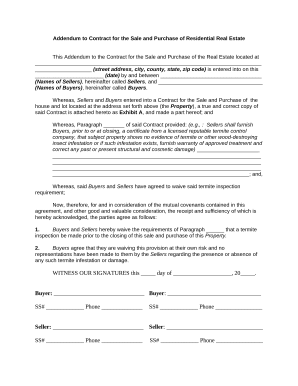
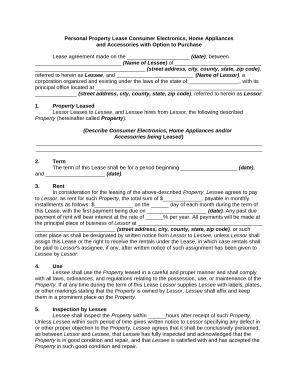
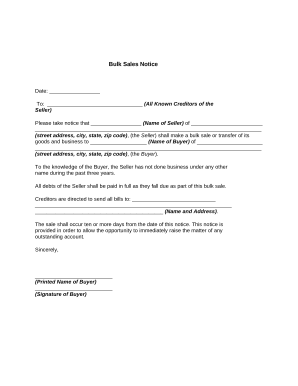
Exhibit E is a critical document frequently used in legal and business contexts. It typically serves as an attachment or supplementary document to a central contract, detailing specific information, terms, or data related to the main document. Its purpose is to provide additional clarity or outline particular conditions without cluttering the primary text of the agreement. In business, Exhibit E might enumerate technical specifications, lists of assets or obligations, or delineate roles and responsibilities in a project. In legal settings, it could include detailed evidence, testimonies, or the fine print related to the case or agreement.
Common Uses
- Contracts: Exhibit E specifies additional terms.
- Legal Proceedings: Acts as evidence or supporting documentation.
- Business Agreements: Details procedures, assets, or specifications.
How to Obtain the Exhibit E
To acquire Exhibit E, individuals usually have to engage with the contracting party or entity responsible for the primary document. If it pertains to a legal case, Exhibit E can be obtained through legal representation or by directly requesting it from the court if public access is permissible.
- Contact the Issuing Entity: Reach out to the organization or the legal firm involved.
- Legal Representation: Attorneys typically handle these documents on behalf of clients in legal matters.
- Public Access: If allowed, individuals may access the document through legal databases or court records.
Steps to Complete the Exhibit E
The completion of Exhibit E often involves filling in specific information as requested by the main agreement or directive. Below are suggested steps:
- Review the Main Document: Understand the context and requirements that Exhibit E addresses.
- Gather Required Information: Collect all necessary data, like specifications, terms, or other relevant details.
- Fill Out Sections: Carefully complete each part, ensuring accuracy in data submission.
- Verify Details: Double-check the provided information against the main document and for general correctness.
- Submit for Approval: Forward the completed Exhibit E to the appropriate authority or entity overseeing the primary agreement.
Key Elements of Exhibit E
Exhibit E generally includes specific, detailed information associated with the primary document. Recognizing these elements is crucial for correct application or interpretation:
- Detailed Information: Provides exhaustive details not suitable to include directly in the main document.
- Reference to Main Document: Clearly links to the primary document, specifying which sections or clauses it elaborates upon.
- Clause Specifics: Details pertaining to certain clauses, such as payment terms, deliverables, or legal stipulations.
Who Typically Uses the Exhibit E
Exhibit E is utilized across various sectors, largely by professionals and organizations engaged in legal, business, or procedural agreements. The users include:
- Legal Professionals: Lawyers and paralegals use Exhibit E in filings.
- Business Executives: Business managers attach Exhibit E to contracts for detailed clarifications.
- Project Managers: For projects requiring specific technical lists, it serves as a detailed addendum.


Legal Use of the Exhibit E
In legal contexts, Exhibit E often features as a pertinent document supporting a legal case or agreement. Its legal use involves:
- Evidence Presentation: Used to present detailed evidence in court.
- Agreement Supplement: Supplements legal documents with further specifics.
- Clarification of Terms: Clarifies complex terms or conditions within legal documents.
Important Terms Related to Exhibit E
Understanding specific terms related to Exhibit E aids in grasping its applicability and functionality:
- Addendum: Additional text or information added to a document.
- Supplementary Document: A document that provides additional details and is attached to the main text.
- Binding Agreement: An agreed-upon legal arrangement that incorporates Exhibit E as part of its construct.
State-by-State Differences
The application and interpretation of Exhibit E can vary significantly across different states. Factors include:
- Legal Definitions: Varying definitions or interpretations of terms used in Exhibit E.
- Regulatory Requirements: Each state may have specific regulations governing the use of Exhibit E.
- Compliance Obligations: Different obligations to meet state-specific legal and business requirements.
States may have tailored regulations for Exhibit E usage, necessitating close attention to regional laws. Legal counsel is often recommended to ensure adherence to such state-specific mandates.