






Definition & Meaning
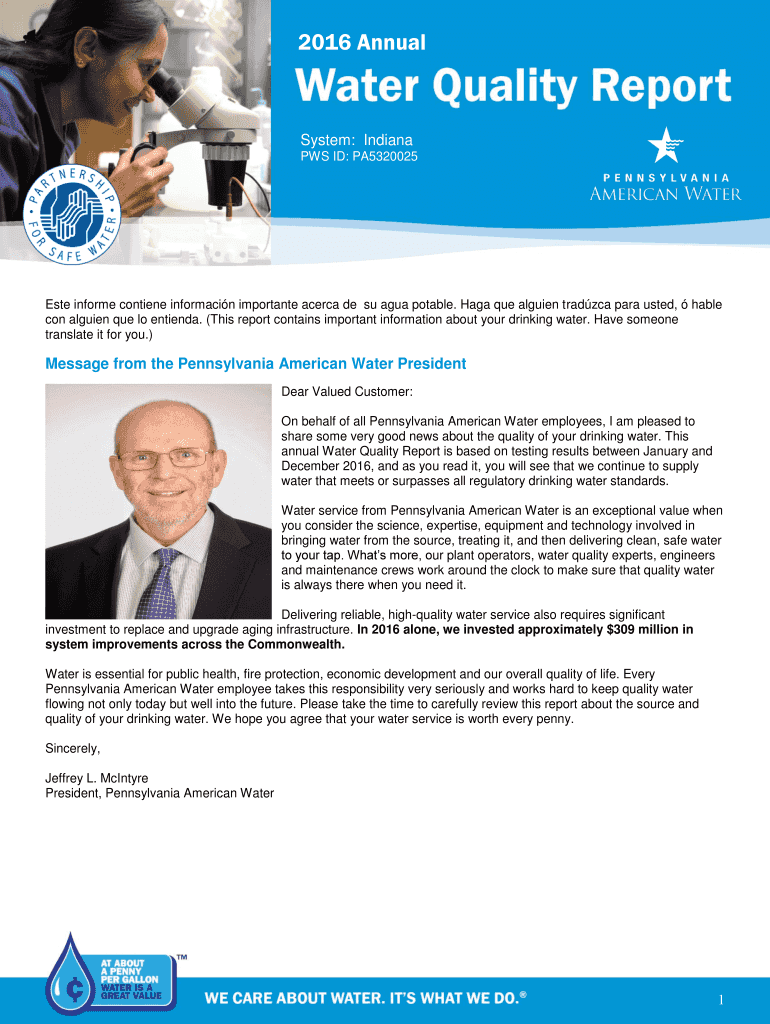
The "Annual Drinking Water Quality Report - Town of Cicero" is a comprehensive document that provides detailed insight into the quality of drinking water in the Town of Cicero. This report is typically issued to inform residents about the safety, quality, and sources of their drinking water. It is mandated by the Environmental Protection Agency (EPA) and serves to demonstrate compliance with federal and state health standards. Key information covered includes contaminants found in the water supply, their sources, permissible levels, and steps taken by the local government to maintain water safety. By examining this report, residents can ensure that their drinking water meets health safety standards and understand the efforts being made to protect their water supply.
How to Use the Annual Drinking Water Quality Report - Town of Cicero
Understanding how to use the Annual Drinking Water Quality Report is crucial for residents and stakeholders. The report typically includes several sections, such as summary findings, detailed tables of contaminant levels, and explanations of water sources. Residents can use this report to:
- Assess water quality: Check if the levels of various contaminants are within acceptable limits set by health agencies.
- Identify water sources: Understand where the town's drinking water originates and any potential risks associated with these sources.
- Stay informed: Regularly review annual reports to track changes in water quality and any new measures adopted to safeguard water resources.
Ensuring comprehension of the language and data format employed in the report is vital for effectively utilizing the information provided.
How to Obtain the Annual Drinking Water Quality Report - Town of Cicero
Obtaining the Annual Drinking Water Quality Report is a straightforward process. Residents of Cicero can typically access the report through various means:
- Local Government Offices: Visit the local town hall or public works department to request a physical copy.
- Town’s Official Website: Most municipalities provide digital copies of the report on their official websites for convenient access and download.
- Public Libraries: Local libraries often have copies available for public review.
For those who prefer alternative formats, contacting the town office can provide options for receiving the report in accessible formats, ensuring every resident can review vital information about their drinking water quality.
Steps to Complete the Annual Drinking Water Quality Report - Town of Cicero
Filling out or contributing to the Annual Drinking Water Quality Report involves several critical steps to ensure comprehensive and accurate data collection:
- Data Collection: Gather data from various water testing locations throughout the town over a designated period.
- Testing and Analysis: Conduct laboratory testing on water samples to determine the presence and concentrations of various substances.
- Compilation of Findings: Prepare detailed tables and narrative descriptions of the findings, comparing them to regulatory standards.
- Drafting the Report: Assemble the data into a coherent document, ensuring clarity and transparency for readers.
These steps typically involve collaboration between municipal staff, environmental scientists, and water quality experts to produce a report that accurately reflects the town's drinking water quality.
Why You Should Review the Annual Drinking Water Quality Report - Town of Cicero
It is essential for residents of Cicero to review the Annual Drinking Water Quality Report to remain informed about their drinking water and associated health implications. Reasons to review include:
- Health Protection: Understand potential health risks from contaminants and verify compliance with safety standards.
- Transparency and Accountability: Gain insight into local government measures for maintaining and improving water quality.
- Community Involvement: Enable residents to participate in discussions and initiatives aimed at protecting local water sources.
By staying informed, residents can engage more effectively with community leaders and environmental projects that impact their water supply.
Who Typically Uses the Annual Drinking Water Quality Report - Town of Cicero
The report is used by a diverse group of stakeholders, including:
- Residents: To ensure their water is safe for everyday use and consumption.
- Local Officials: For decision-making and policy development surrounding water safety and infrastructure investments.
- Health Professionals: To advise on public health matters related to water quality and to inform community health initiatives.
- Researchers and Academics: As a data source for studies on environmental health and public policy.
Each user group benefits from understanding the water quality dynamics in their locale and can leverage this information according to their specific needs and responsibilities.


Important Terms Related to Annual Drinking Water Quality Report - Town of Cicero
Understanding specific terminology used in the Annual Drinking Water Quality Report is critical for accurate interpretation. Key terms include:
- Maximum Contaminant Level (MCL): The highest permissible level of a contaminant in drinking water as defined by regulatory standards.
- Source Water Assessment: An evaluation of the susceptibility of water sources to contamination.
- Treatment Techniques: Methods used to remove contaminants and ensure safe drinking water.
Familiarity with these terms ensures that residents can effectively navigate and understand the report's technical content.
Key Elements of the Annual Drinking Water Quality Report - Town of Cicero
The report consists of several critical elements that provide a complete picture of the town's water quality:
- Contaminant Tables: Lists of detected contaminants, their levels, and their health effects if above the MCL.
- Source Descriptions: Detailed descriptions of water sources and potential contamination sources.
- Improvement Initiatives: Information about investments and projects aimed at maintaining or enhancing water quality.
Understanding these elements is paramount in assessing the report’s findings and implications for public health and safety.