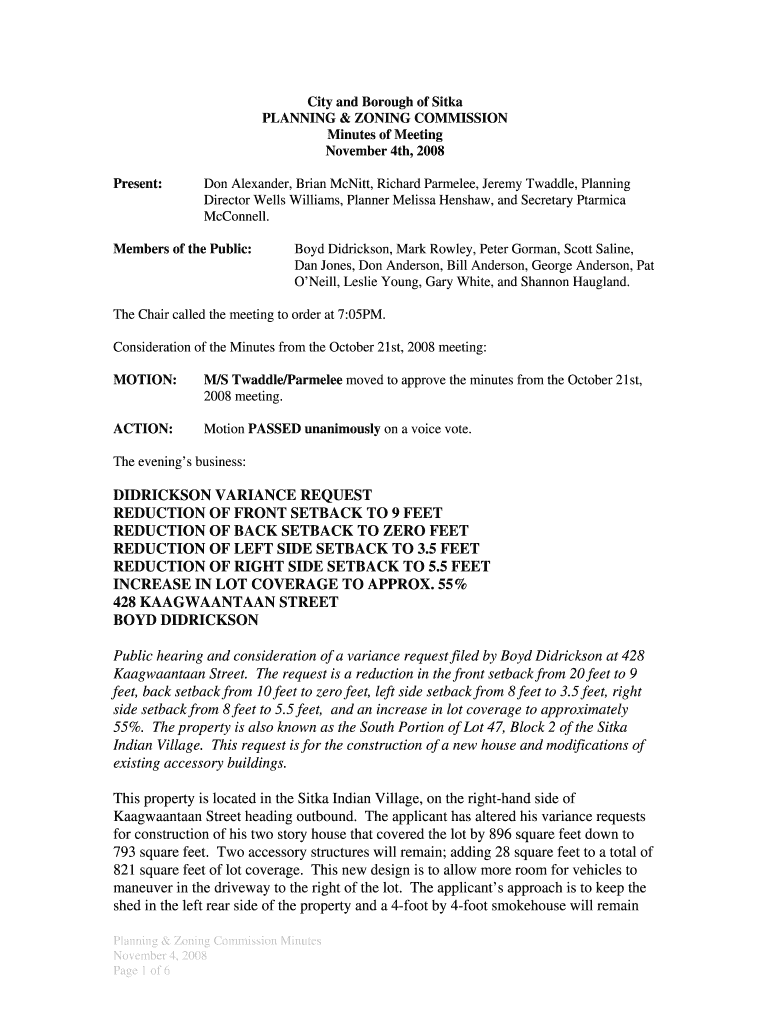







Understanding Director Wells Williams, Planner Melissa Henshaw, and Secretary Ptarmica
This section provides an in-depth analysis of what constitutes the form "Director Wells Williams, Planner Melissa Henshaw, and Secretary Ptarmica" and its practical applications.
Definition and Meaning
- Composition: The title is a triune composition integrating roles such as Director, Planner, and Secretary. Each role serves a distinct function within organizational structures like city planning commissions or similar entities.
- Purpose: Represents key personnel involved in decision-making and strategic planning, particularly in municipal planning or event coordination contexts.
Utilizing Director Wells Williams, Planner Melissa Henshaw, and Secretary Ptarmica
To effectively engage with the responsibilities encapsulated by this group of roles, understanding the interaction between Director Wells Williams, Planner Melissa Henshaw, and Secretary Ptarmica is crucial.
- Director's Role: Decision-making authority and leadership, often involving final approvals and strategic guidance.
- Planner's Contributions: Detailed planning and logistical oversight, ensuring projects adhere to regulations and timelines.
- Secretary's Support: Administrative coordination and documentation, crucial for maintaining records and communications.
How to Obtain The Form
Detailed instructions for acquiring or reaching out for a representation involving these roles may vary, but typically include:
- Contact Appropriate Department: Reach out to the municipal office or corporate department where these roles exist.
- Request Documentation: Submit necessary requests or applications to interact with or obtain documentation related to these roles.
Steps to Complete Related Tasks
Completing responsibilities associated with Director Wells Williams, Planner Melissa Henshaw, and Secretary Ptarmica often follow these steps:
- Identify Objectives: Clearly define the goals of your engagement or project.
- Allocate Tasks: Distribute responsibilities across Director, Planner, and Secretary appropriately.
- Monitor Progress: Regular meetings and updates ensure alignment and progress.
Key Responsibility Areas
Each role has defined key areas of focus:
- Director: Manage overall project direction and communication with stakeholders.
- Planner: Develop actionable plans, forecasting needs and resource allocation.
- Secretary: Organize meetings, prepare minutes, and maintain records integrity.
State-Specific Rules
Variations in rules and regulations affect how these roles are executed:
- Local Regulations: Each state might have specific laws influencing planning processes and governance structures.
- Compliance Requirements: Ensuring all actions meet state and municipal legal standards is crucial.
Examples of Application
Practical scenarios highlighting the roles' contributions:
- Urban Planning: Developing city zoning blueprints requires collaboration across all three roles.
- Event Management: Coordinating significant municipal events like festivals.
Penalties for Non-Compliance
Failing to adhere to respective guidelines in these roles could result in:
- Administrative Penalties: Fines or operational sanctions from state authorities.
- Project Delays: Increased scrutiny could lead to halts in project timelines.
Legal Use and Compliance
Legal frameworks dictate how Director, Planner, and Secretary roles operate:
- Trademark Use: Ensuring proper attribution and usage of titles within legal documents.
- Regulatory Compliance: Meeting all statutory requirements, including reporting protocols.
By exploring these roles with precision, individuals and entities can maximize efficiency and maintain compliance within the operational domains these roles influence.