






Definition & Meaning
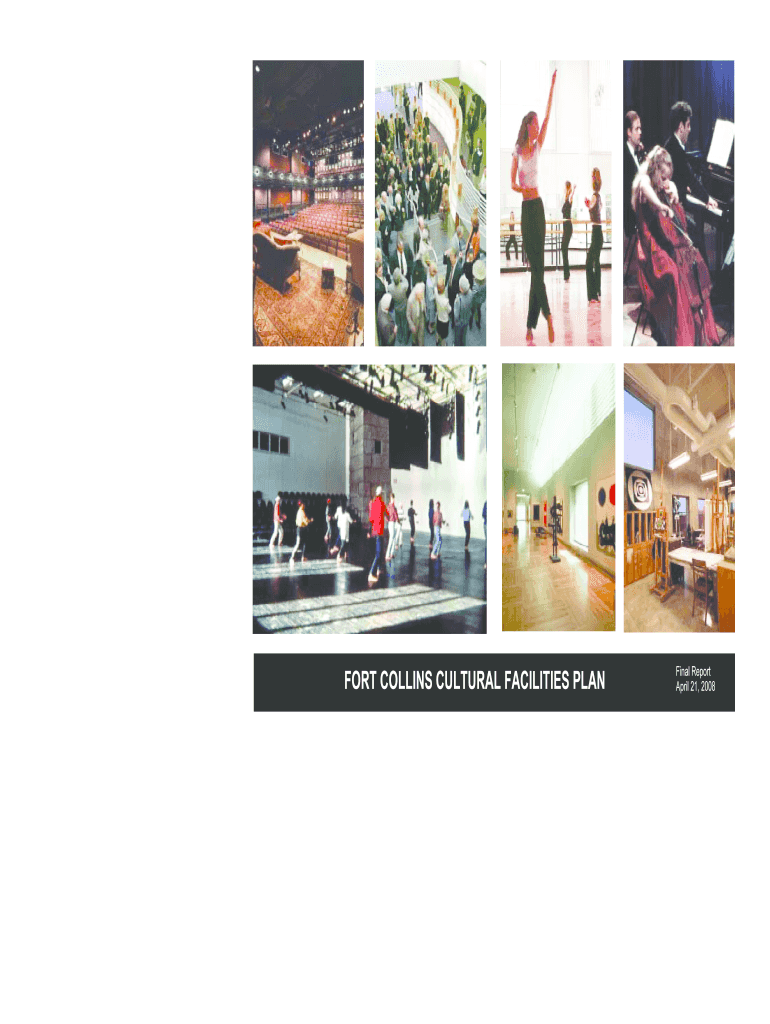
The "Cultural Facilities Plan - City of Fort Collins, CO" serves as a strategic blueprint for the development and enhancement of cultural infrastructure in Fort Collins, Colorado. This plan is geared towards identifying the needs of the arts community and proposes solutions to fulfill those needs. It focuses on existing cultural assets, the growing demand for diverse arts venues, and the beneficial impacts these facilities can have on the community.
- Strategic Goals: The plan outlines main objectives, which include improving current facilities, developing new arts centers, and fostering community engagement through the arts.
- Community Impact: Highlights how cultural developments can enhance quality of life and promote economic and social benefits in Fort Collins.
Key Elements of the Cultural Facilities Plan
The Cultural Facilities Plan for Fort Collins includes a comprehensive analysis of several critical components:
- Facility Assessment: Evaluates existing arts facilities in terms of capacity, multi-functionality, and support for various art forms.
- Demand Analysis: Investigates the community's current and future demands for cultural venues and identifies gaps.
- Strategic Recommendations: Offers actionable steps like the creation of new performance options and the renovation of existing sites such as Club Tico.
Steps to Complete the Cultural Facilities Plan - City of Fort Collins, CO
Completing the Cultural Facilities Plan involves several methodical stages:
- Data Collection: Gather relevant information including demographic data, current facility usage rates, and community surveys.
- Stakeholder Engagement: Conduct workshops and meetings with city planners, art organizations, and public attendees.
- Development of Recommendations: Analyze collected data to draft and refine proposals for future cultural improvements.
- Plan Finalization: Compile feedback from stakeholders to finalize and publish the report.
Importance of the Cultural Facilities Plan
This plan is vital for several reasons:
- Cultural Enrichment: Enhances local culture by providing spaces for arts exhibitions, performances, and community gatherings.
- Economic Benefits: Stimulates local economies by attracting tourism and supporting art-related jobs.
- Community Cohesion: Promotes social interaction and inclusivity, facilitating a sense of belonging among residents.
Legal Use of the Cultural Facilities Plan
The plan functions within a legal framework that guides its development and implementation:
- Governmental Compliance: Ensures adherence to local and state regulations concerning public cultural projects.
- Funding Allocation: Provides a foundation for allocating budgets to approved cultural projects.
- Public Policy: Influences city planning and decision-making policies regarding cultural development priorities.
State-Specific Rules for the Plan
While general guidelines apply, specific rules vary by state:
- Colorado Arts Policies: The plan aligns with the state’s arts and culture agenda, adhering to regulations set forth by the Colorado Creative Industries (CCI).
- Tax Incentives: May include special initiatives at the state level to promote public investment in cultural projects.
Who Typically Uses the Cultural Facilities Plan
The plan is utilized by a diverse range of stakeholders:
- City Planners and Government Officials: To inform infrastructural development and economic planning.
- Arts Organizations: To advocate for the needs of artists and cultural creators in the region.
- Community Groups and Residents: To understand and participate in local cultural initiatives and improvements.


Examples of Using the Cultural Facilities Plan
Real-world scenarios illustrate how the plan is applied:
- Development of New Venues: Guides the creation of multi-use community arts centers.
- Renovation Projects: Supports the refurbishment of historic sites like Club Tico to better serve contemporary needs.
- Program Launches: Assists in the initiation of new public art programs to engage diverse community demographics.
Digital vs. Paper Version
The plan may be available in both digital and paper formats, each with unique benefits:
- Digital Version: Easily accessible online, allows for interactivity and quick updates, supports wider dissemination and collaboration.
- Paper Version: Provides a tangible document for in-person meetings and presentations, essential for individuals or groups who prefer traditional review methods.
Required Documents
To fully engage with the Cultural Facilities Plan, certain documentation is necessary:
- Demographic Reports: Provide insights into population trends and cultural engagement.
- Financial Projections: Outline potential costs and economic impacts of suggested cultural projects.
- Community Surveys: Reflect public perception and desire for cultural initiatives within Fort Collins.
Software Compatibility
Efficient use of this plan is supported by modern software tools:
- Document Platforms: Compatible with tools like DocHub, which facilitate easy annotation, sharing, and collaboration.
- Data Analytics Software: Assists in analyzing large datasets for strategic decision-making processes.
This comprehensive coverage of the Cultural Facilities Plan for the City of Fort Collins, CO, provides a thorough analysis of its intentions, processes, and the key elements that make it an essential framework for cultural development in the region.