
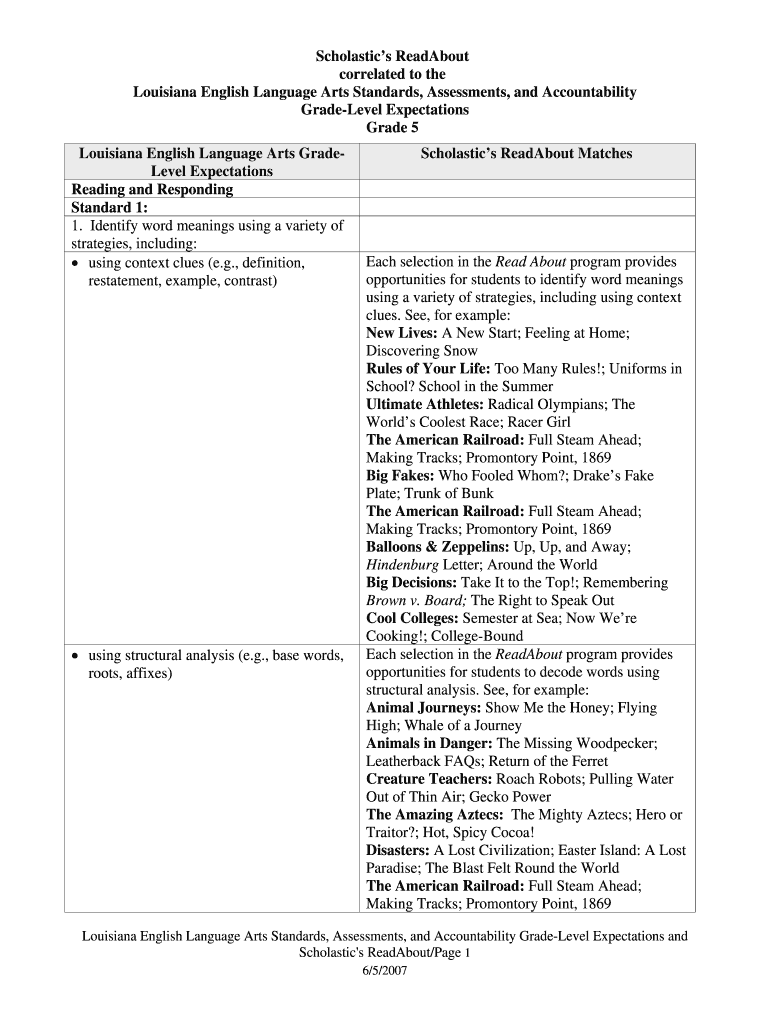







Definition and Meaning of NC Preschool Standards
The NC Preschool Standards refer to a set of educational guidelines and objectives designed for preschool-aged children in North Carolina. These standards aim to provide a structured framework for early childhood education, ensuring that children develop key competencies across various domains such as social-emotional skills, language and literacy, cognitive development, and physical well-being. By establishing clear goals, the standards help educators deliver consistent, high-quality learning experiences to young children.
Key Elements of the NC Preschool Standards
The NC Preschool Standards are comprised of various components that together form a comprehensive approach to early childhood education. Key elements include:
- Social-Emotional Development: Encouraging self-awareness, self-regulation, and interpersonal skills.
- Language and Literacy: Fostering communication skills, vocabulary expansion, and literacy awareness.
- Cognitive Development: Promoting problem-solving, logical thinking, and curiosity about the world.
- Physical Development: Supporting motor skills, health awareness, and physical activity.
These elements ensure a balanced focus on all areas of development, preparing children for transition to formal schooling.
Steps to Use the NC Preschool Standards
- Access the Standards: Obtain the full set of NC Preschool Standards from the North Carolina Department of Education or authorized educational resources.
- Review Components: Carefully read through each component of the standards, noting the developmental milestones and educational goals outlined for preschoolers.
- Integrate into Curriculum: Align the standards with existing or new curricular activities, ensuring that lesson plans address each developmental domain.
- Implement in Classroom: Apply the standards in daily classroom activities, adjusting teaching methods to cater to individual learning needs and observing progress.
- Assess and Adapt: Regularly assess the effectiveness of the standards in meeting educational objectives, making necessary adjustments to support diverse learners.
Who Typically Uses the NC Preschool Standards
The primary users of the NC Preschool Standards include:
- Preschools and Daycare Centers: These institutions rely on the standards to craft curricula that address developmental milestones.
- Early Childhood Educators: Teachers use the standards as a guide to develop lessons and activities that nurture children's growth.
- Educational Administrators: School and district leaders apply the standards to evaluate program quality and educator performance.
- Parents and Guardians: Families can reference the standards to understand expected developmental outcomes and support learning at home.


How to Obtain the NC Preschool Standards
Educators and interested parties can access the NC Preschool Standards through several channels:
- North Carolina Department of Education Website: The most direct source for obtaining official documents and guidelines.
- Local Education Agencies: Contact regional offices or school districts for printed copies or additional resources.
- Educational Workshops and Conferences: Attend professional development sessions where standards are discussed and distributed.
State-Specific Rules for the NC Preschool Standards
While the NC Preschool Standards provide a uniform framework, it is important to recognize variations in implementation based on local policies. Key state-specific rules may include:
- Adherence to Licensing Requirements: Schools must align their curricula with standards to maintain licensing status.
- Inclusion of Cultural Diversity: Schools are encouraged to incorporate diverse cultural perspectives within the context of the standards.
- Periodic Review and Updates: North Carolina periodically revises the standards to reflect new research and educational priorities.
Why Use the NC Preschool Standards
Implementing the NC Preschool Standards ensures that children receive a well-rounded early education. The standards provide:
- Consistency in Education: Establishing uniform goals across preschools ensures all children have access to quality education, regardless of location.
- Guidance for Educators: Educators receive a clear framework for creating engaging and purposeful learning experiences.
- Preparedness for K-12 Transition: By focusing on comprehensive developmental areas, the standards help children transition smoothly into kindergarten and beyond.
Important Terms Related to NC Preschool Standards
- Developmental Milestones: Key abilities or skills that most children can do by a certain age, guiding educator focus.
- Curriculum Alignment: The process of aligning classroom activities and lessons with educational standards.
- Early Childhood Education (ECE): The period of learning that takes place for children from birth through age eight.
Examples of Using NC Preschool Standards
Educators can see practical applications of the NC Preschool Standards in various classroom scenarios:
- Interactive Story Time: Supports language and literacy development through engagement with books and storytelling.
- Group Play Activities: Encourage social-emotional skills through cooperative play, sharing, and teamwork.
- Science Exploration Activities: Promote cognitive skills via experiments that encourage questioning and discovery.
These examples highlight the effectiveness of the standards in bringing structured, targeted learning experiences to young learners, preparing them for future educational success.




