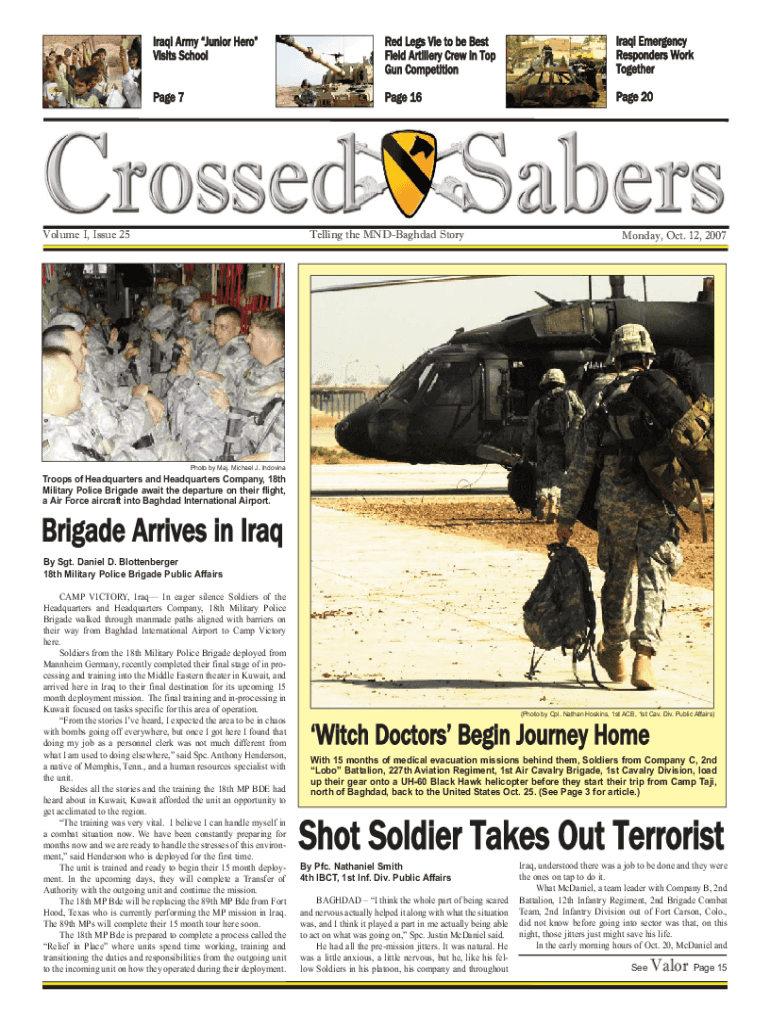







Definition and Purpose of the Iraqi Army Graduation Event
The Iraqi army graduation ceremony for the first class of field artillery officers marks a significant milestone in the development of the country's military capabilities. This event represents the culmination of rigorous training programs designed to enhance the operational readiness and effectiveness of the Iraqi army. It demonstrates Iraq's ongoing efforts to build a self-sufficient defense force capable of maintaining national security and stability.
Training Process and Curriculum
Field artillery officers undergo intensive training that encompasses a range of military tactics and technical skills. The curriculum is meticulously structured to cover areas such as artillery equipment operation, target acquisition, fire mission execution, and basic infantry tactics. Trainees learn to operate various artillery systems and understand the logistics involved in deploying them effectively. The program also includes leadership and decision-making exercises, which are crucial for officers who are expected to lead troops under challenging conditions.
Selection Procedures and Eligibility
Candidates for the field artillery officer course are chosen based on a competitive selection process that evaluates their physical fitness, intellectual capabilities, and leadership potential. Eligibility criteria typically include prior military experience, a clear understanding of basic military principles, and, in some cases, recommendations from superior officers. Successful candidates demonstrate an aptitude for operating complex artillery systems and a commitment to serving in leadership roles within the army.
Importance of Graduating Field Artillery Officers
Graduating a class of field artillery officers is a critical component of strengthening the national defense infrastructure. Field artillery units play a vital role in modern military operations, providing essential support to infantry and armored units. These officers are trained to coordinate and execute precise artillery strikes, which can be decisive in both defensive and offensive operations.
Strategic Implications
The strategic implications of this graduation are significant. By enhancing its artillery capabilities, the Iraqi army is better equipped to defend against potential threats and participate in joint military operations regionally. It also sends a message of independence and resilience, showcasing Iraq's progress in building a self-reliant military force.
Steps to Complete the Training Program
-
Initial Enrollment: Eligible candidates apply for the training program through their respective military units or recruitment centers. Selection assessments are conducted, including aptitude tests and physical evaluations.
-
Basic Training: Candidates undergo several weeks of basic military training to ensure they meet the minimum physical and mental standards required for field artillery operations.
-
Specialized Training: Participants move on to specialized artillery training, which includes classroom instruction and practical exercises. This phase emphasizes mastering artillery systems, operational logistics, and teamwork.
-
Leadership Development: The program incorporates leadership modules, where trainees are given responsibilities to lead mock units in simulated combat scenarios.
-
Final Evaluation: The course concludes with a comprehensive evaluation of technical skills and leadership ability, determining the readiness of each candidate for commissioning as an officer.
Importance of Field Artillery in Modern Warfare
Field artillery is pivotal in modern warfare due to its capability to deliver indirect fire support over long distances. It helps neutralize enemy threats, disrupt formations, and support maneuvering units. An effective artillery unit can change the dynamics of battle by providing the necessary firepower to suppress or destroy enemy targets.
Technological Advancements
With advancements in artillery technology, such as precision-guided munitions and improved targeting systems, the role of artillery has become even more critical. Modern field artillery systems offer enhanced accuracy and lethality, enabling forces to conduct effective missions with reduced collateral damage.
Key Elements of the Training Course
- Weapon Systems Proficiency: Trainees must exhibit proficiency in operating a range of artillery systems, including howitzers and mortars.
- Targeting and Accuracy: Instruction in advanced targeting techniques and the use of fire control systems to ensure precision.
- Combat Leadership: Development of leadership skills necessary for command roles in high-pressure combat situations.
- Logistics and Coordination: Understanding the logistical aspects of artillery operations, including ammunition supply and maintenance.
Examples of Military Applications
The skills gained by field artillery officers are applicable in various military scenarios, from active combat engagements to peacekeeping missions. Officers are trained to provide critical fire support during offensive operations and to execute defensive strategies when under threat. Their ability to coordinate with other military branches enhances the overall effectiveness of joint operations.
Real-World Applications
Graduates of the field artillery officer training have been deployed in diverse operations where artillery support was crucial for achieving mission objectives. These operations often involve complex battlefield coordination and require quick thinking and adaptability.
State-Specific Roles and Responsibilities
Field artillery officers in Iraq may have duties that differ slightly based on the region they are stationed in. Officers might adapt their strategies to align with the specific security challenges and geopolitical landscape of their deployment area.
Collaborations and International Training
Some Iraqi officers receive additional training and collaboration opportunities through international military partnerships, further broadening their tactical and strategic understanding and fostering interoperability with allied forces.