Sew Contract Template 2026

Get Form
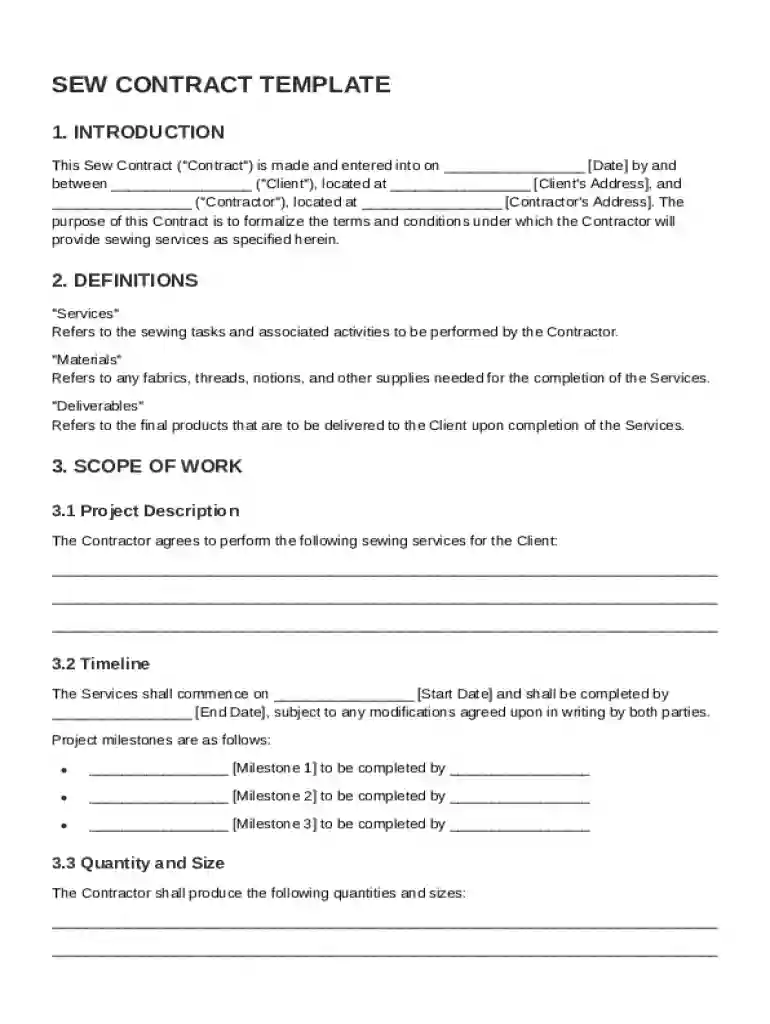
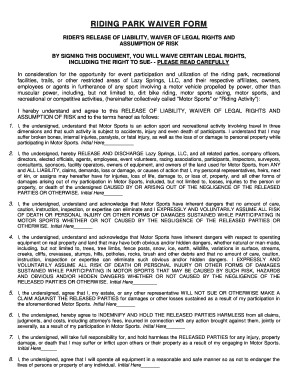
Sew Contract Template Preview on Page 1

Here's how it works

01. Edit your form online
Type text, add images, blackout confidential details, add comments, highlights and more.

02. Sign it in a few clicks
Draw your signature, type it, upload its image, or use your mobile device as a signature pad.

03. Share your form with others
Send it via email, link, or fax. You can also download it, export it or print it out.

Definition & Meaning

The Sew Contract Template is a formal document used to outline the agreements between a Client and a Contractor providing sewing services. It serves as a comprehensive guide, detailing the scope of work, compensation, materials responsibilities, and other key terms essential for the project. By using this template, both parties have a clear and mutual understanding of their obligations and expectations, reducing the risk of misunderstandings.

Key Elements of the Sew Contract Template

The Sew Contract Template contains crucial components that govern the working relationship between the Client and the Contractor. These elements typically include:

  • Scope of Work: Details about the specific sewing services to be performed, including task descriptions and deliverables.
  • Compensation: Outlines payment terms, such as rates, payment schedules, and any additional compensation-related details.
  • Materials: Specifies which party is responsible for providing necessary materials and tools, as well as any cost responsibilities.
  • Quality Assurance: Describes the standards of workmanship expected and procedures for addressing defects or dissatisfaction.
  • Delivery and Acceptance: Establishes timelines and procedures for the delivery and acceptance of completed work.

How to Use the Sew Contract Template

Using the Sew Contract Template involves several key steps to ensure that the document accurately reflects the agreement between parties:

  1. Review and Customize: Begin by reviewing the template thoroughly and customizing it to fit the specific needs of the project. Remove any irrelevant sections and include additional clauses that may be unique to the agreement.
  2. Define Terms: Clearly articulate all definitions and terms, ensuring both parties agree on their meanings.
  3. Finalize Details: Agree on specific terms like deadlines, payment amounts, and conditions for amendments or termination.
  4. Sign and Retain: Once both parties have reviewed and agreed upon the details, they should sign the document. Each party should retain a signed copy for future reference.

Who Typically Uses the Sew Contract Template

Various individuals and organizations may find the Sew Contract Template useful, including:

  • Freelance Contractors: Independent seamstresses and tailors who need to establish terms with new clients.
  • Fashion Designers: Professionals looking to outsource sewing tasks to specialists while ensuring quality and confidentiality.
  • Apparel Manufacturing Companies: Businesses that engage multiple contractors for large projects and need standardized agreements to manage relationships effectively.
decoration image ratings of Dochub

Legal Use of the Sew Contract Template

The Sew Contract Template should be used in a manner that aligns with applicable laws and regulations. Here are some legal aspects to consider:

  • Governing Law: Specify which jurisdiction's laws govern the contract, typically where the work is performed or where one of the parties resides.
  • Confidentiality Provisions: Include clauses that protect sensitive information shared between parties during the project.
  • Termination Conditions: Clearly define conditions under which the contract may be terminated by either party.

Steps to Complete the Sew Contract Template

Completing the Sew Contract Template requires attention to detail. Here are the steps to create a finalized document:

  1. Gather Information: Collect all necessary details from both parties, including contact information and project specifications.
  2. Fill in Sections: Input the gathered information into the relevant sections of the template.
  3. Negotiate Terms: Discuss and agree upon each section, ensuring mutual understanding and agreement on all points.
  4. Proofread: Review the document for errors or omissions, ensuring clarity and completeness.
  5. Signatures: Secure signatures from both parties to formalize the agreement.

Important Terms Related to Sew Contract Template

Familiarity with key terms is important when dealing with the Sew Contract Template:

  • Subcontracting: Refers to the Contractor's ability to outsource portions of the work to third parties.
  • Force Majeure: A clause addressing unforeseen events that may impact the ability to complete the work as outlined.
  • Amendments: Procedures for making changes to the contract once it is signed.

Examples of Using the Sew Contract Template

The Sew Contract Template can be utilized in varying scenarios, such as:

  • Custom Clothing Projects: When a client hires a sewing professional to create bespoke garments based on unique designs.
  • Bulk Production Orders: In situations where a business hires additional contractors to meet high-volume production needs.
  • Repair and Alterations: For instances where services include adjusting existing garments rather than creating new ones. The contract ensures that scope and responsibilities are well defined.

Business Types That Benefit Most from Sew Contract Template

Several business entities can derive significant benefit from structured agreements:

  • Startups: New businesses that need to formalize relations with contractors to ensure consistency and quality.
  • Small to Medium Enterprises (SMEs): These businesses often rely on external contractors to supplement their internal capabilities.
  • Nonprofits: Organizations that might be involved in textile work as part of vocational training or fundraising projects.

By carefully utilizing the Sew Contract Template, businesses and contractors can maintain professional and clear relationships, reducing legal risks and misunderstandings.

be ready to get more

Complete this form in 5 minutes or less

Get form

Got questions?

We have answers to the most popular questions from our customers. If you can't find an answer to your question, please contact us.
Contact us
There are five elements which, taken together, make a contract valid: offer; acceptance; consideration; capacity; and. intention to create legal relations.
Today, were diving into the core components that make up a legally binding contract, often referred to as the 3 Cs: Capacity, Consent, and Consideration. Understanding these key elements can help you navigate legal agreements with confidence and clarity.
How to find contract sewing jobs Define your skills. The first step to finding a contract sewing job is defining your skills and abilities. Create marketing materials. Network with local businesses. Look on internet job boards. Use a contract for the job.
Seamless Document Creation and Editing Through integration, users can open pre-written contract templates within Word. The template contains placeholders for essential information, such as names, dates, terms, and conditions.
Open the Google Docs template Contract Template and enter your company details and an image with your signature in the provided space, as well as the actual contract. Familiarize yourself with working with variables if you want to add more placeholders, conditions, or loops to your contract.

Security and compliance

At DocHub, your data security is our priority. We follow HIPAA, SOC2, GDPR, and other standards, so you can work on your documents with confidence.
Learn more
ccpa2
pci-dss
gdpr-compliance
hipaa
soc-compliance

People also ask

Some examples of simple contracts are common types of contracts like service agreements (e.g., hiring a freelancer), NDAs, loan agreements, sales agreements (e.g., vendor/supplier deals), and rental agreements (e.g., camera rental terms).
Write the contract in six steps Start with a contract template. Open with the basic information. Describe in detail what you have agreed to. Describe how the contract will end. Say which laws apply and how disputes will be resolved. Include space for signatures.

Related links