





Definition and Meaning of the Medical Bill Service Contract Template
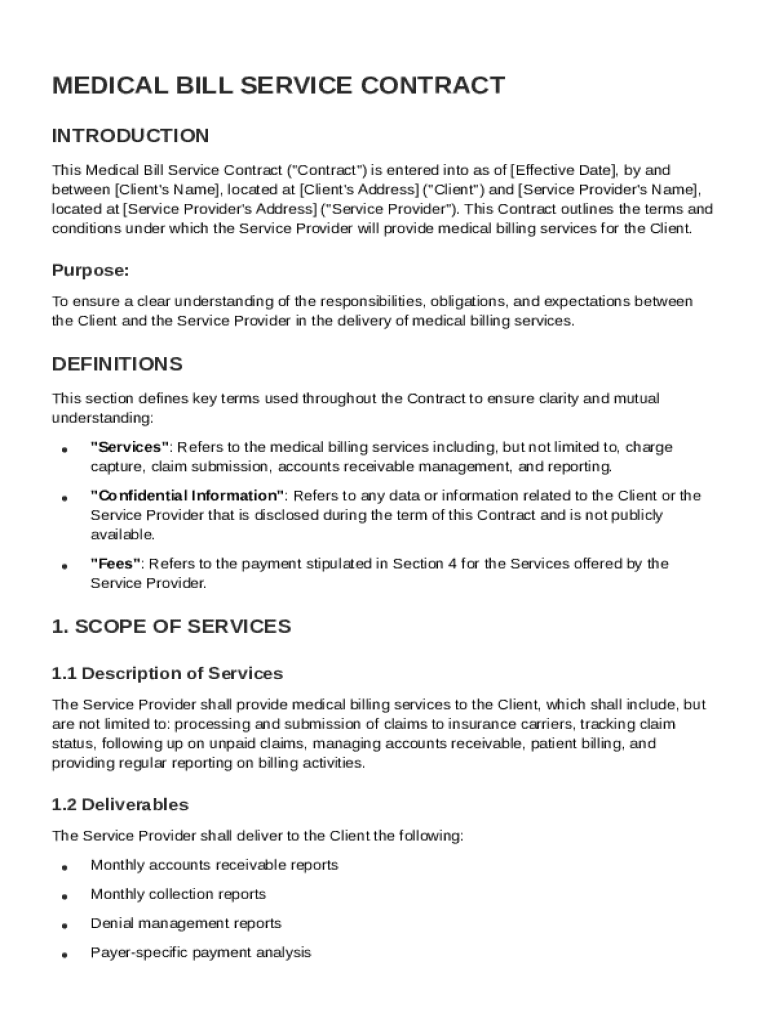
The Medical Bill Service Contract Template serves as a structured agreement between a client, often a healthcare provider, and a service provider specializing in medical billing. This document outlines the scope of services to be delivered, establishing a clear framework for responsibilities, expectations, and financial arrangements. Key components within the contract include detailed information about the services offered, terms of payment, confidentiality agreements, and compliance with applicable healthcare regulations. This template ensures that both parties have a mutual understanding of their roles and protect their interests within the business relationship.
Steps to Complete the Medical Bill Service Contract Template
Completing the Medical Bill Service Contract Template involves a series of well-defined steps to ensure clarity and completeness:
- Identify Parties Involved: Clearly specify the names and contact information of both the client and the service provider.
- Define Scope of Services: Detail the exact medical billing services to be provided, such as claim submissions, payment follow-ups, and reporting.
- Establish Payment Terms: Outline the fee structure, including any initial deposit, regular payment intervals, and conditions for additional charges.
- Include Confidentiality Clauses: Insert sections that cover the protection of sensitive patient data and compliance with HIPAA regulations.
- Specify Termination Conditions: Clearly state the circumstances under which the contract can be terminated by either party.
- Detail Dispute Resolution Procedures: Provide methods for addressing potential disputes, such as mediation or arbitration.
These steps must be approached meticulously to form a legally binding and operationally clear contract.
Key Elements of the Medical Bill Service Contract Template
The template includes several critical elements that ensure its effectiveness and thoroughness:
- Service Description: A comprehensive detailing of all services provided, enabling both parties to have clear expectations.
- Fee Agreements: Specifics on compensation, including rates, invoicing schedules, and payment methods.
- Confidentiality Agreements: Provisions to safeguard all sensitive information, ensuring compliance with federal laws such as HIPAA.
- Termination Clauses: Outlines the rights of either party to terminate services, including any associated penalties.
- Liability Limitations: Terms that define each party’s financial responsibilities and potential liabilities.
These elements collectively work to maintain a structured and mutually beneficial relationship between the involved parties.
Legal Use of the Medical Bill Service Contract Template
The template must adhere to various legal standards to ensure enforceability and regulatory compliance:
- Adherence to HIPAA: Guarantee the safeguarding of patient information, a critical requirement under U.S. regulations.
- State-Specific Adaptations: Modifications might be necessary to align with state-specific medical billing laws and regulations.
- Inclusion of Governing Law: A clause specifying which jurisdiction’s laws will be applicable in case of disputes.
- Validity Criteria: Ensure all elements like valid signatures and the exchange of consideration are met for the contract to be legally binding.
Using this template correctly provides legal protection and fosters continued compliance with applicable laws.
Who Typically Uses the Medical Bill Service Contract Template
This template is particularly beneficial to specific groups within the healthcare sector:
- Private Practice Physicians: Streamlines the billing process, allowing medical practitioners to focus on patient care rather than administrative details.
- Medical Billing Companies: Establishes clear operational guidelines and expectations when working with various healthcare providers.
- Healthcare Institutions: Hospitals and clinics utilize the template to efficiently manage billing operations.
- Independent Medical Billers: Freelancers in the billing industry use it as a foundation for client engagements, ensuring protection and clarity.
These entities find the Medical Bill Service Contract Template invaluable for maintaining a seamless operation.

State-Specific Rules for the Medical Bill Service Contract Template
Regulations can vary significantly across states, impacting certain aspects of the contract:
- State Licensure Laws: Some states require medical billers to have specific licenses, which must be accounted for in the contract.
- Payment Timelines: States may have unique laws governing the timelines for billing and payments, requiring customization of the contract’s terms.
- Consumer Protection Laws: Regulations designed to protect client rights may necessitate additional disclosures or contract terms.
- Insurance Requirements: Depending on the state, additional clauses regarding insurance coverage might be necessary.
Understanding and incorporating these state-specific rules helps ensure the template remains compliant and enforceable.
Why Use the Medical Bill Service Contract Template
Utilizing a standardized contract template offers numerous advantages:
- Ensures Clarity and Transparency: Provides a clear understanding of each party’s responsibilities and expectations, minimizing misunderstandings.
- Streamlines Operations: By providing a structured framework, the template reduces administrative burdens and facilitates smoother workflows.
- Protects All Parties Involved: Legally binding clauses safeguard the interests of both the client and the service provider.
- Promotes Compliance: Ensures adherence to the necessary legal standards within healthcare billing, including privacy and data protection.
By implementing this template, parties can enhance their professional interactions and reduce potential risks.
Software Compatibility for Managing the Contract
Leveraging technology can simplify the process of handling this contract:
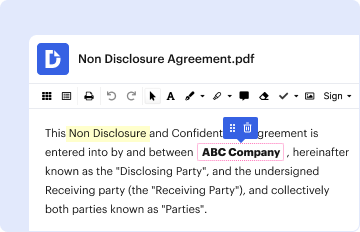
- DocHub Integration: Use the platform’s features to edit, share, and sign the contract digitally, enhancing efficiency.
- Cloud Storage Compatibility: Store and retrieve the contract from services like Google Drive and Dropbox for greater flexibility.
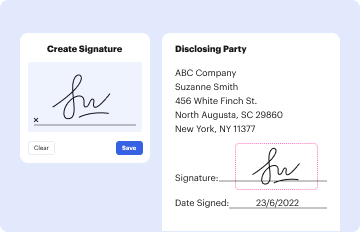
- Digital Signatures: Utilize electronic signature options to finalize the contract legally and efficiently.
- Collaboration Tools: Enable multiple stakeholders to review and comment on the contract before finalizing.
Using compatible software helps in executing the contract seamlessly, enhancing operational efficiency while ensuring compliance.