




Definition & Meaning
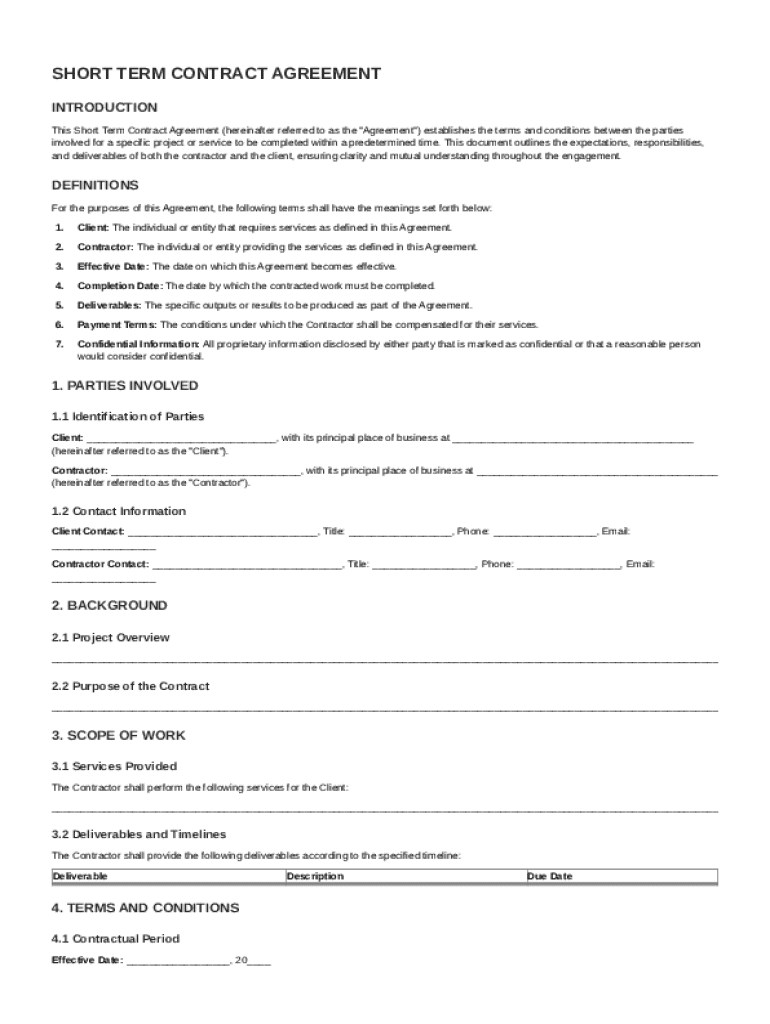
A Short Term Contract Template serves as a structured framework to detail an agreement between a Client and a Contractor for a specific project or service. This template outlines the fundamental aspects, including roles and responsibilities, expected deliverables, timeframes, and payment terms. By using a standardized template, both parties can ensure clear communication and mutual understanding, minimizing potential disputes and facilitating a smooth collaboration process.
How to Use the Short Term Contract Template
Utilizing a Short Term Contract Template involves several strategic steps to ensure comprehensive coverage of the agreement's terms. Start by filling in the basic information, such as the parties involved, contact details, and the project's scope. Next, define the deliverables and deadlines clearly to align expectations. Incorporate payment details, including methods and schedules, and address confidentiality, if applicable, to safeguard sensitive information. Finally, review the contract thoroughly for completeness and accuracy before signing.
Steps to Complete the Short Term Contract Template
- Gather Necessary Information: Collect details of both parties, project scope, and deliverables.
- Define Key Terms: Clearly establish roles, responsibilities, and expectations.
- Set Payment Terms: Include payment schedules and methods.
- Address Confidentiality: If needed, ensure confidentiality clauses are robust and specific.
- Finalize and Sign: Review and confirm all details, then obtain signatures from both parties.
Key Elements of the Short Term Contract Template
- Project Scope: Description of services or deliverables.
- Timeline: Specific start and end dates.
- Payment Information: Compensation terms and payment schedule.
- Confidentiality Clauses: Requirements for non-disclosure of sensitive information.
- Termination Conditions: Circumstances under which the contract can be dissolved.
- Dispute Resolution: Mechanism for addressing disagreements.
Legal Use of the Short Term Contract Template
The Short Term Contract Template must comply with relevant legal standards to be enforceable. It should include clauses that adhere to state and federal laws, ensuring it defines the parties' rights and obligations appropriately. Legal enforceability requires the contract to include essential elements such as offer, acceptance, and consideration. Parties may also consider seeking legal advice to tailor specific provisions for unique circumstances, ensuring enhanced legal protection.
Who Typically Uses the Short Term Contract Template
This template is widely used by freelancers, small businesses, and consultants engaging in projects with limited duration. It suits industries where projects vary in complexity and length, offering a means to formalize engagements without long-term commitments. For instance, graphic designers, software developers, and marketing consultants frequently use short term contracts for project-based work.

State-Specific Rules for the Short Term Contract Template
When deploying a Short Term Contract Template, parties should be mindful of state-specific regulations that could affect the contract's validity. Differences in employment laws, payment terms, and dispute resolution mechanisms may vary, necessitating adjustments to the template. Notably, confidentiality agreements and right-to-work laws often differ, influencing the contract's enforceability.
Examples of Using the Short Term Contract Template
- Freelance Photography: A photographer contracts with a company for a one-time event, detailing services, deliverables, and fees.
- Software Development: A developer is engaged to create a specific module within a defined period, including milestones and payment stages.
- Marketing Consultancy: A consultant provides strategic marketing plans for a campaign, specifying goals, timelines, and compensation.
Software Compatibility for Managing Contracts
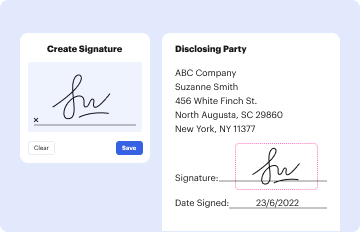
The Short Term Contract Template can be managed using various software platforms compatible with document editing and storage systems. Platforms like DocHub allow you to edit, sign, and store contracts securely. This compatibility with existing systems such as Google Drive and Dropbox streamlines workflow, making it easier to modify or distribute the contract as needed.