




Definition and Meaning
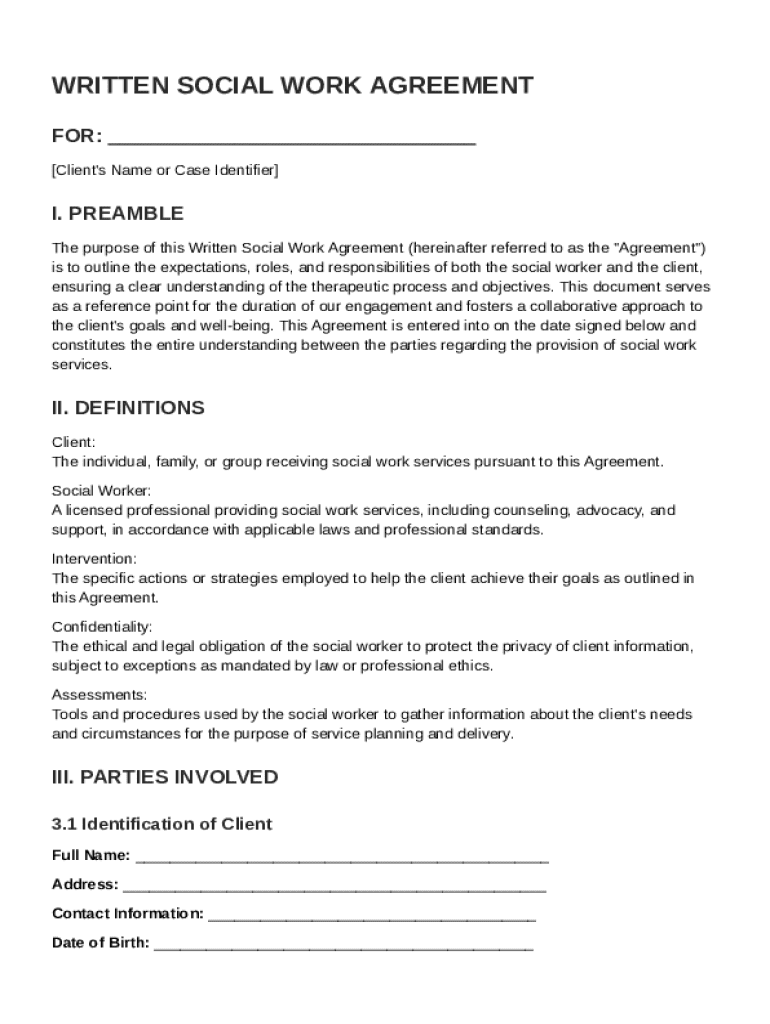
The Written Social Work Agreement Template is a formal document outlining the mutual obligations and expectations between a social worker and a client. Designed to foster a transparent therapeutic relationship, this template details the roles of both parties, ensuring that each understands their commitments. It is crucial for setting clear boundaries and goals within social work practice, ultimately supporting effective communication and enhancing collaborative efforts.
How to Use the Written Social Work Agreement Template
Utilizing the Written Social Work Agreement Template involves several steps to customize it according to the specific needs of the practitioner and client. Begin by identifying the key terms and conditions applicable to the relationship. Customize sections related to client needs, including service type and duration. It is beneficial to review the document with the client to ensure understanding and agreement. Finally, both parties should sign the template to formalize acceptance and acknowledgement, establishing a structured framework for the working relationship.
Steps to Complete the Written Social Work Agreement Template
- Gather Necessary Information: Collect details on the client, service type, and objectives.
- Customize the Template: Adjust terms, roles, and responsibilities to fit both parties.
- Clarify Goals and Expectations: Use clear language to outline collaborative goals.
- Discuss Confidentiality: Emphasize the importance of confidentiality in the context of social work.
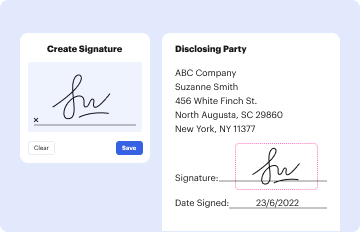
- Sign the Agreement: Both the social worker and client must sign to validate the agreement.
- Keep a Copy for Records: Store the signed document securely for future reference.
Key Elements of the Written Social Work Agreement Template
- Roles and Responsibilities: Defines specific duties of both the social worker and client.
- Services Provided: Clearly outlines what services will be offered and the scope of work.
- Confidentiality Agreement: Addresses confidentiality protocols and requirements.
- Dispute Resolution: Establishes methods for resolving conflicts that may arise.
- Duration of Services: Specifies the time frame for services, including start and end dates.
- Acknowledgment Section: Requires both parties to acknowledge their understanding and consent to terms.
Examples of Using the Written Social Work Agreement Template
Consider a scenario where a social worker begins a new engagement with a client needing therapy for anxiety management. The agreement template could specify bi-weekly sessions, goals for reducing anxiety symptoms, and confidentiality clauses. In a setting such as family therapy, the template can also define each family member's role in the process. These examples illustrate the template's adaptability to various contexts, ensuring that all parties clearly understand their roles and the intended outcomes.
Legal Use of the Written Social Work Agreement Template
This template, when properly completed and signed, serves as a legally binding document supporting the professional relationship between the social worker and the client. It must comply with federal and state regulations related to social work practices, including privacy laws like HIPAA, to be enforceable. Consider consulting a legal professional to ensure all clauses adhere to applicable laws, providing further protection for both parties involved.
Who Typically Uses the Written Social Work Agreement Template
Common users of the Written Social Work Agreement Template include licensed social workers, counselors, and therapists engaging in private practice or working within clinics. Additionally, organizations offering social services to individuals or families may utilize this template to establish formalized partnerships with clients. By defining terms explicitly, practitioners can maintain professional standards and foster trust with those they serve.

State-Specific Rules for the Written Social Work Agreement Template
State-specific regulations can affect the terms and enforceability of social work agreements. For instance, privacy laws and standards of practice can vary, requiring tailored content within the template for each jurisdiction. Social workers should research and incorporate these local legal nuances to ensure that their agreements meet compliance standards. This might involve consulting state social work boards or legal advisors to address specific requirements unique to the state of practice.