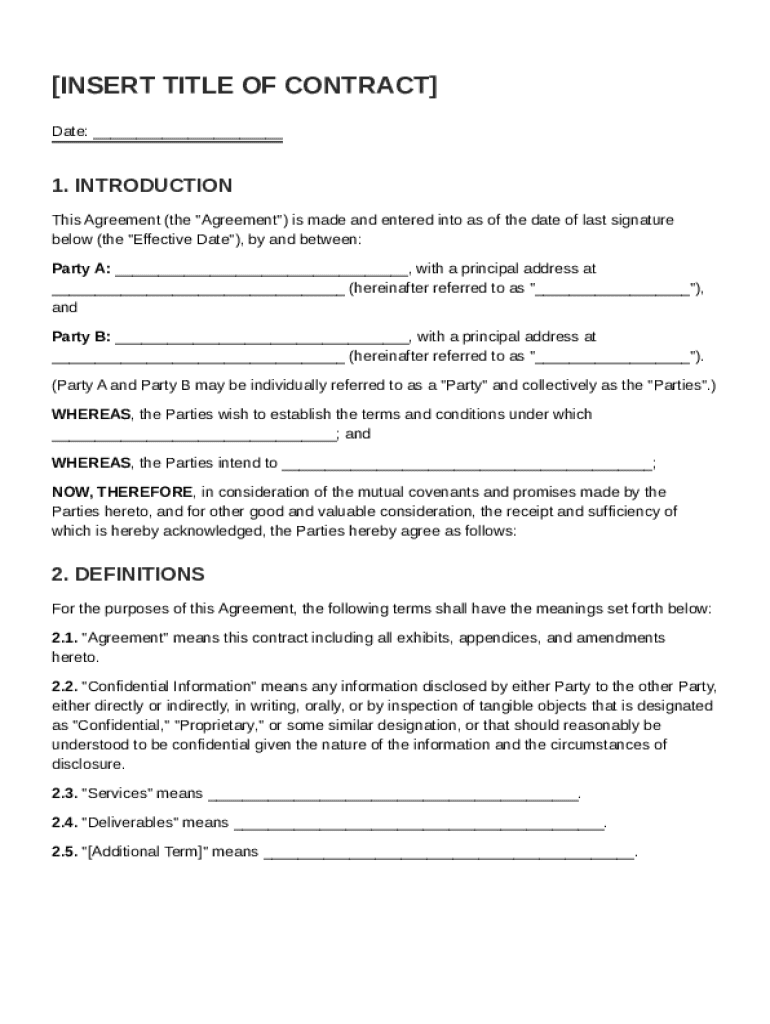







Definition and Meaning
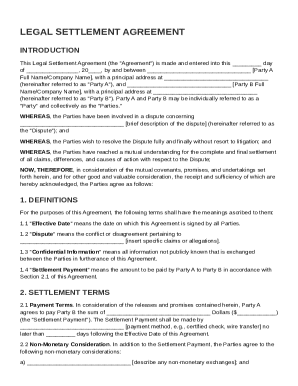
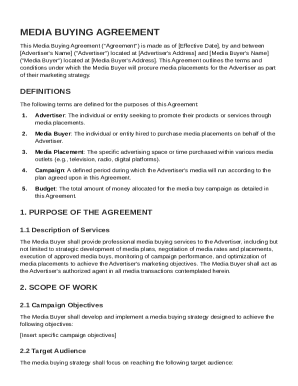
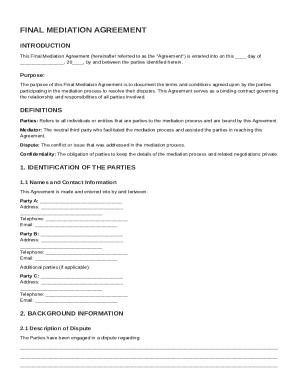
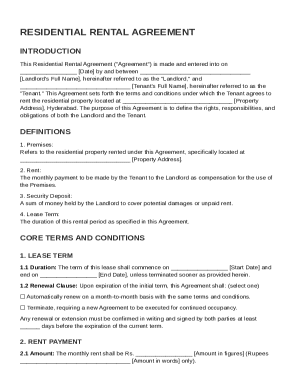
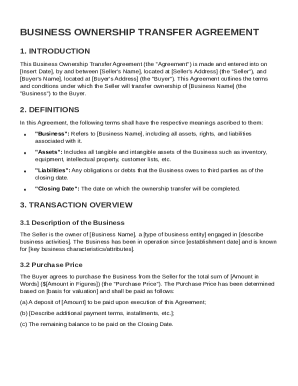
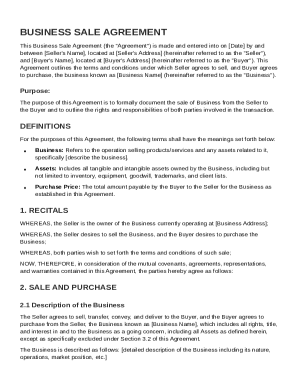
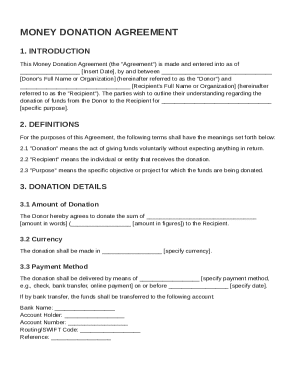
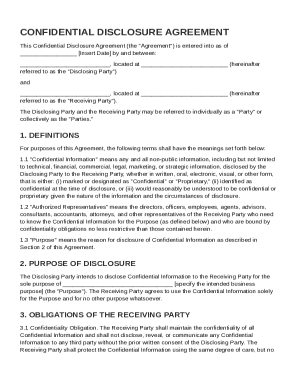
An "Empty Contract Template" is a pre-structured document designed to facilitate the creation of contractual agreements between two or more parties. It outlines standard sections such as definitions, scope of work, compensation, confidentiality, termination, governing law, and general provisions. The template serves as a foundational framework, ensuring that all critical legal elements are addressed. By using an empty contract template, individuals and businesses can efficiently establish mutual obligations and protections without starting from scratch.
Key Elements of the Empty Contract Template
A robust empty contract template typically includes several crucial sections:
- Definitions: Clarifies specific terms used throughout the contract to ensure mutual understanding.
- Scope of Work: Details the activities or deliverables each party is responsible for completing.
- Compensation: Stipulates payment terms, methods, and schedules.
- Confidentiality: Protects sensitive information exchanged between parties.
- Termination: Outlines conditions under which the agreement can be ended.
- Governing Law: Specifies which jurisdiction's laws will apply in case of disputes.
- General Provisions: Covers miscellaneous terms such as amendments and notice requirements.
Providing these elements ensures comprehensive coverage of essential contract components, fostering clear communication and understanding among the parties involved.
How to Use the Empty Contract Template
Utilizing an empty contract template can streamline document creation:
- Select the Appropriate Template: Start by choosing a template that aligns with the type of relationship or transaction you intend to document.
- Populate with Data: Fill in specific details relevant to the parties and the agreement's scope, such as names, dates, and deliverables.
- Customize Sections: Modify standard clauses to reflect the unique needs and conditions of your agreement.
- Review for Completeness: Ensure all necessary sections are filled and clarify any ambiguities or missing information.
- Legal Review: Consider having the completed draft reviewed by a legal professional to verify compliance and completeness.
These steps are crucial to adapting the template to specific needs while ensuring legal adequacy.
Steps to Complete the Empty Contract Template
Completing the template involves a systematic approach:
- Gather Information: Collect all necessary details about the parties and the agreement’s specifics.
- Fill in Standard Sections: Input relevant data into predefined sections like definitions and payment terms.
- Personalize Content: Adjust language or add clauses to tailor the document to the unique characteristics of the agreement.
- Check Consistency: Ensure consistency in terminology and numbering across all parts of the contract.
- Final Review and Signatures: Perform a thorough review before both parties sign, signaling their agreement and understanding.
Adhering to these steps helps ensure the document is both complete and legally enforceable.
Who Typically Uses the Empty Contract Template
The empty contract template is widely used by:
- Freelancers: To formalize projects with clients in a clear, professional manner.
- Small Businesses: For vendor agreements, partnerships, and service contracts.
- Corporations: To standardize contract creation across various departments or projects.
- Non-Profits: When establishing relationships with donors, volunteers, or service providers.
In each case, the template aids in maintaining consistent documentation processes and legal formalities.


Legal Use of the Empty Contract Template
The use of an empty contract template must comply with legal standards:
- Compliance: Must be consistent with local, state, and federal laws.
- Capacity: All parties must have the legal capacity to enter the contract.
- Consideration: Reflects a mutually agreed-upon exchange of value.
- Mutual Consent: Requires both parties to have a clear understanding of the terms.
This adherence ensures the template can serve as a legally binding document.
Software Compatibility
The empty contract template can be integrated with various software tools to enhance flexibility and efficiency:
- DocHub: Allows for editing, signing, and sharing without the need for additional software.
- Google Workspace: Provides seamless integration for importing, editing, and exporting documents.
- Microsoft Office: Compatible with Word for detailed editing and customization.
These software options enhance the template's utility by making it accessible and modifiable across different platforms.
Business Types That Benefit Most from the Empty Contract Template
While broadly applicable, certain business types may find the template particularly beneficial:
- Consulting Agencies: For client agreements outlining deliverables and payment terms.
- Creative Studios: To define project scopes and intellectual property rights with clients.
- Service Providers: Ensures clarity in transactions and service deliverables.
- Tech Startups: For partnership and collaboration agreements.
Implementing these templates ensures these businesses maintain streamlined operations and clear communication within their agreements.