



Definition & Meaning
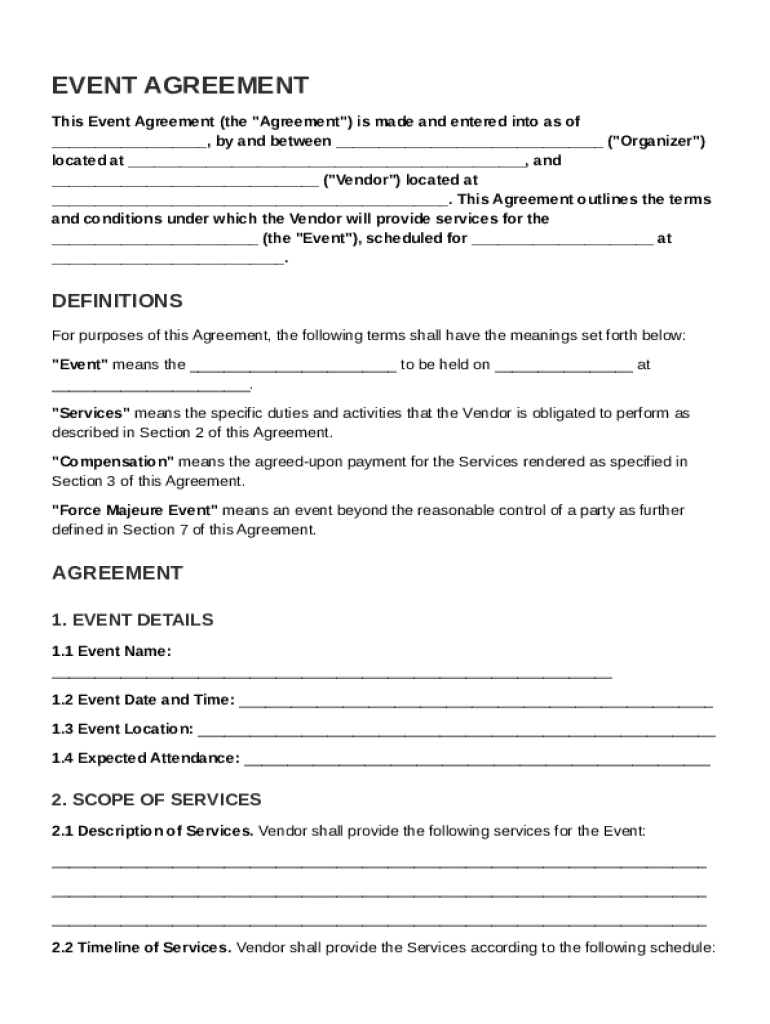
An Event Agreement Template is a structured document designed to formalize the relationship and set expectations between an event Organizer and a Vendor. This document is crucial in specifying the terms and conditions related to services offered for a specific event. It outlines the scope of services to be provided, compensation arrangements, and the responsibilities of each party involved. Additionally, the template includes clauses that cover cancellation policies, force majeure conditions, and other miscellaneous legal aspects. The primary purpose of this document is to ensure that there is a mutual understanding and agreement, which helps in the successful execution of the event.
Key Elements of the Event Agreement Template
The Event Agreement Template includes several critical components that help define the framework of the agreement:
- Definitions: Establishes clear meanings for specific terms used within the document to prevent ambiguity.
- Event Details: Specifies the particulars of the event, such as date, location, and duration, providing a clear context for the agreement.
- Scope of Services: Details the tasks and responsibilities of the Vendor, ensuring that both parties are aligned on what services will be provided.
- Compensation Structure: Outlines how and when payments will be made, including any deposit requirements or payment schedules.
- Responsibilities of Both Parties: Lists the obligations of both the Organizer and the Vendor, ensuring clarity and accountability.
- Cancellation Policies: Provides the terms under which the agreement can be canceled by either party, including any penalties or refund obligations.
- Force Majeure Provisions: Addresses unforeseeable circumstances that could prevent one or both parties from fulfilling the agreement, such as natural disasters.
Steps to Complete the Event Agreement Template
- Review the Template: Begin by reading through the entire document to understand its structure and content.
- Fill Out Basic Details: Enter the event name, date, location, and both parties' names and contact information.
- Define the Scope of Services: Clearly outline the services the Vendor will provide, ensuring that all aspects are covered.
- Insert Compensation Details: Specify payment terms, including amounts, due dates, and any deposit requirements.
- Outline Duties and Responsibilities: List the obligations and expectations for both the Organizer and the Vendor to ensure mutual understanding.
- Include Legal Provisions: Ensure that cancellation policies and force majeure clauses are complete and satisfactory to both parties.
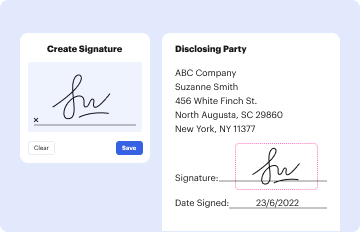
- Finalize and Sign: After both parties have reviewed the document and agreed to its terms, signatures are required to make the agreement legally binding.
Legal Use of the Event Agreement Template
For the Event Agreement Template to be legally enforceable, it must meet certain criteria:
- Consent: Both parties must voluntarily agree to the terms without any coercion.
- Consideration: There must be an exchange of value, such as services offered in exchange for payment.
- Capacity: All parties must have the legal ability to enter into a contract, meaning they must be of legal age and sound mind.
- Legal Purpose: The agreement's terms must not involve any illegal activities.
These elements ensure that the agreement is legally sound and can be upheld in a court of law if necessary.
Important Terms Related to Event Agreement Template
Understanding key terms in the template is essential for both parties:
- Vendor: The party providing the service or product for the event.
- Organizer: The entity or individual responsible for hosting the event.
- Compensation: The payment or remuneration terms outlined in the agreement.
- Cancellation Policy: The terms under which the agreement can be canceled and any resulting consequences or fees.
- Force Majeure: Conditions under which the agreement becomes void due to unforeseeable events that prevent fulfillment.
How to Use the Event Agreement Template
The Event Agreement Template is designed to be versatile and user-friendly:
- Customization: Modify the template to fit the specific requirements of your event. This includes adjusting sections for unique services or bespoke event features.
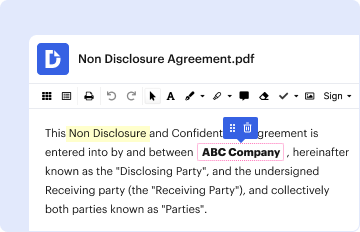
- Collaboration: Use digital platforms to allow both parties to input information and make necessary adjustments. DocHub offers tools for easy editing and annotation.
- Secure Document Sharing: Once completed, use secure methods to share the agreement, ensuring that both parties have access to the final version.
Examples of Using the Event Agreement Template
The Event Agreement Template can be employed in various scenarios, such as:
- Corporate Events: Used by companies hiring event planners for annual meetings or brand launches.
- Wedding Planning: Vendors providing services such as catering, music, or decoration use the agreement to formalize arrangements with clients.
- Conferences: Organizers agree with vendors on services such as audio-visual support or venue management for industry events.
- Festivals: Organizers contract vendors for booths, merchandise sales, or food and beverage services.
State-Specific Rules for the Event Agreement Template
While the Event Agreement Template is comprehensive, variations may be required based on state-specific regulations:
- California: Requires stricter data protection clauses if personal data is collected.
- New York: May mandate additional consumer protection clauses, especially for events involving ticket sales.
- Texas: Could require specific insurance requirements for events involving more than a certain number of attendees.
Understanding regional legal requirements helps tailor the template to meet compliance needs.
Who Typically Uses the Event Agreement Template
This template is utilized by a range of parties involved in event planning:
- Event Planners: Manage multiple vendor relationships, ensuring that all parties are aligned.
- Vendors and Service Providers: Establish clear service deliverables and payment terms with organizers.
- Corporate Entities: Use as a standardized part of their vendor management process for business events.
Understanding the typical users helps in identifying how the template can be most effectively applied to meet various professional contexts and needs.