




Definition & Meaning
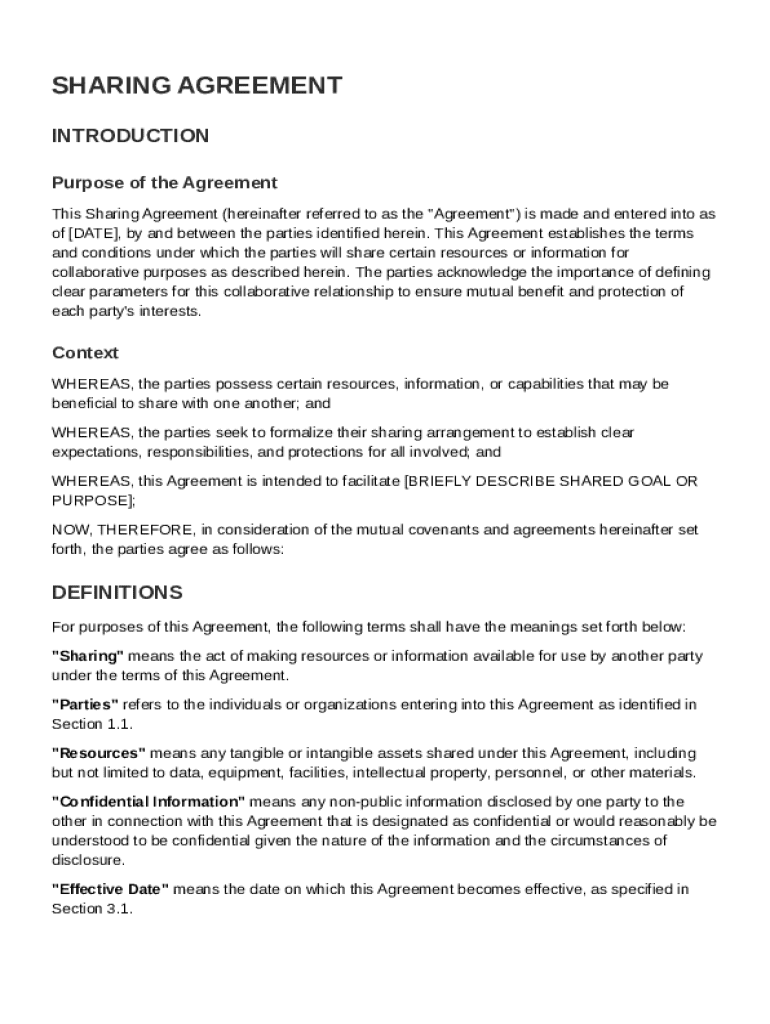
The Sharing Agreement Template is a structured document meant to formalize the sharing of resources, information, or responsibilities between two or more parties. Typically used in collaborative arrangements, this template outlines key components such as roles, responsibilities, and confidentiality obligations. It establishes terms for mutually beneficial interactions and includes mechanisms for dispute resolution, liability, amendments, and termination. By emphasizing clarity and mutual understanding, it facilitates seamless cooperation and helps prevent misunderstandings that might arise from informal agreements.
Importance of Clear Definitions
- Roles and Responsibilities: Clearly defining each party's obligations ensures alignment and accountability.
- Confidentiality: Protects sensitive information shared between parties by setting explicit guidelines on handling and disclosure.
- Dispute Resolution: Outlines procedures to address disagreements, minimizing potential legal entanglements.
Key Elements of the Sharing Agreement Template
This template integrates several critical components that ensure its effectiveness and usability in various scenarios. Understanding and correctly structuring these elements can enhance the legal and operational integrity of the agreement.
Core Components
- Parties Involved: Details about the entities entering the agreement with their respective rights and obligations.
- Objective of Sharing: Clear definition of what is being shared and the purpose behind it.
- Duration and Termination: Specifies the time frame of the agreement and conditions for terminating the arrangement.
- Confidentiality and Data Sharing: Guidelines for handling confidential information and data-protection protocols.
- Liability and Indemnity: Stipulates the extent of each party’s liability and protection from potential claims.
Roles and Permissions
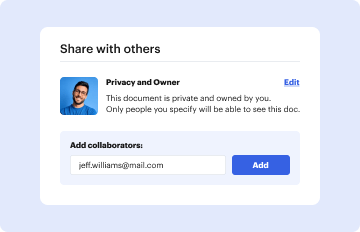
- Access Levels: Different parties may have varied access permissions, from viewing to editing, based on their role.
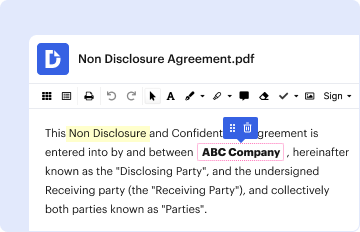
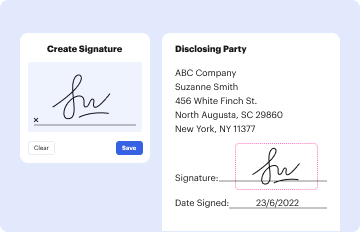
- Signature Requirements: Specifies who is authorized to sign the document and execute the agreement, often using electronic signature solutions.
Legal Use of the Sharing Agreement Template
The legal application of the Sharing Agreement Template ensures that it fulfills statutory requirements and is enforceable in a court of law. Legal backing is essential to uphold the terms and provide a reliable framework for resolving potential conflicts.
Compliance with U.S. Laws
- Contract Law: The template must adhere to state and federal contract laws to be considered valid.
- Confidentiality Clauses: Inclusion of legally vetted confidentiality clauses can safeguard proprietary information.
- E-Signature Legitimacy: Utilizing electronic signatures in compliance with the ESIGN Act to ensure documents are legally binding.
Amendments and Modifications
- Amendment Clauses: Provisions should be included for future modifications, change tracking ensures transparency.
- Legal Recourse: Define actions for breach of contract, providing a clear path for legal recourse in cases of non-compliance.
How to Use the Sharing Agreement Template
Implementing the Sharing Agreement Template involves a series of straightforward steps that allow users to customize and formalize their collaborative arrangements effectively.
Step-by-Step Usage Guide
- Download and Customize the Template: Obtain the template from a trusted source, like DocHub, and tailor sections to reflect the specifics of your agreement.
- Define Terms: Customize all necessary fields, ensuring clarity on shared resources, responsibilities, and conditions.
- Assign Roles: Confirm who will be responsible for various sections of the document, including key signatories.
- Finalize and Distribute: Review the completed document with all parties, gather required signatures, and distribute copies for records.
Ensuring Accuracy and Completeness
- Involvement of Legal Counsel: It's often prudent to have a legal expert review the template before finalization.
- Checklists for Completeness: Use a checklist to ensure all necessary elements are included before execution.
Examples of Using the Sharing Agreement Template
Real-world Scenarios
- Business Partnerships: Facilitating collaborations between companies for joint product development or market penetration.
- Resource Sharing: Agreements for sharing technology infrastructure or human resources between institutions.
- Confidential Projects: When entities engage in projects requiring the exchange of sensitive information.
Case Study: Tech Startups
Two tech startups could use this template to define the sharing of software patents and development resources, ensuring both parties benefit mutually while safeguarding intellectual property.
State-Specific Rules for the Sharing Agreement Template
Variations Across Jurisdictions
- California: Strong emphasis on privacy laws and non-disclosure agreements due to state-specific regulations.
- New York: Additional requirements for notarization in some types of sharing agreements.
- Florida: Specific statutes for liability waivers and indemnity which can be critical for dispute resolutions.
Navigating State Differences
- Legal Consultation: It's advisable to consult a local attorney to adapt the template to state-specific regulations.
- Document Versions: Maintain different versions of the template tailored to legal requirements of various states.
Important Terms Related to Sharing Agreement Template
Common Terminology
- Indemnity: Protection provided against potential loss or damage.
- Breach of Agreement: Failure to fulfill any of the stipulated obligations within the agreement.
- Force Majeure: Contractual clause to address unforeseeable circumstances preventing parties from fulfilling the agreement.
Clarification and Usage
- Glossary: Including a glossary within the template can aid in understanding complex legal terms.
- Sample Clauses: Providing sample clauses can illustrate the context in which these terms are applied.
Who Typically Uses the Sharing Agreement Template

Target Users
- Businesses and Corporations: For formalizing resource or information sharing between companies.
- Educational Institutions: Collaborations between universities for research and academic exchange programs.
- Non-Profit Organizations: Facilitating partnerships to share funding or facilities for community initiatives.
Benefits for Different Entities
- Increased Efficiency: Streamlines collaborations by providing a clear framework for resource sharing.
- Risk Management: Helps manage and distribute risks associated with shared undertakings.
Using the "Sharing Agreement Template" effectively can significantly enhance management of shared responsibilities and resources, providing a detailed, legally sound backbone for multiple types of collaborative efforts.