




Definition and Meaning
A Change Notice Contract Template serves as a formal document employed to communicate and record amendments to an existing contract. It provides a structured framework that ensures both parties are clearly informed and in agreement about modifications, aiding in the prevention of misunderstandings or disputes. The change notice typically includes details such as definitions, identification of parties involved, specific references to the original contract, comprehensive descriptions of changes in scope and financial terms, justifications for these changes, impacts on timelines and deliverables, and requires that all parties acknowledge and sign to confirm the alterations are legally binding.
Key Elements of the Change Notice Contract Template
The Change Notice Contract Template is designed to cover several critical components, providing clarity and transparency in contractual modifications:
-
Identification Details: This section specifies the parties involved, along with references to the original contract to establish context.
-
Scope of Change: It outlines the specific areas of the original contract that the changes will impact, ensuring that all parties understand what aspects are being modified.
-
Financial Adjustments: Where applicable, this section details any amendments to financial terms, such as cost increases or budget reallocations.
-
Timeline Impacts: Any adjustments to deadlines or deliverables based on the changes are recorded, allowing for proper scheduling and resource allocation.
-
Justifications for Change: Explaining the reasons and motivations behind the changes provides context and aids in mutual understanding.
-
Legal Acknowledgment: This involves ensuring all parties formally accept the changes through signatures, making the modifications legally binding.
Steps to Complete the Change Notice Contract Template
Completing a Change Notice Contract Template involves several key steps to ensure accuracy and compliance:
-
Gather Original Documents: Collect the original contract and any supporting documentation related to the proposed changes.
-
Identify Changes: Clearly identify and document the specific changes required to the original contract.
-
Fill in the Template: Use the template to fill out basic information, including the identification of parties, description of changes, and financial terms.
-
Review and Justify: Ensure that each change is justified with appropriate context and reasoning to support the amendment.
-
Consult Legal Advisors: Engage legal counsel to review the document for compliance with applicable laws and regulations.
-
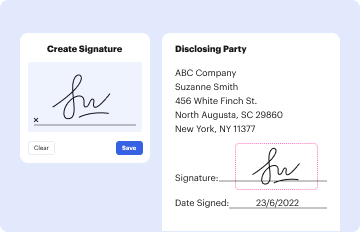
Obtain Signatures: Ensure that all parties involved in the original contract review and sign the notice, confirming their acceptance.
Legal Use of the Change Notice Contract Template
The Change Notice Contract Template must be used in compliance with legal requirements to be effective and enforceable:
-
Adheres to Contract Law: The use of the template should align with federal and state contract laws to ensure it is legally binding.
-
Secure Signatures: Obtain appropriate signatures from all parties involved to formalize the changes legally.
-
Storage and Record-Keeping: Maintain copies of the original contract and change notices for legal documentation and future reference.
-
State-Specific Requirements: Be aware of any additional state-specific legal requirements that may impact the validity of the change notice.
Who Typically Uses the Change Notice Contract Template
Various professionals and organizations utilize the Change Notice Contract Template in their operations:
-
Legal Professionals: Lawyers and legal consultants often use these templates to ensure contractual amendments are formally documented and legally sound.
-
Project Managers: Individuals managing projects may employ change notices to document shifts in project scope, timelines, or deliverables.
-
Contract Administrators: Professionals overseeing contract execution are often responsible for ensuring any alterations are properly recorded.
-
Business Entities: Corporations, partnerships, and other business entities often employ change notices when modifications to commercial agreements are necessary.

Examples of Using the Change Notice Contract Template
Several contexts illustrate how a Change Notice Contract Template might be applied:
-
Construction Projects: When a project requires scope modification due to unforeseen site conditions, increasing costs or adjusting timelines may necessitate a formal change notice.
-
Service Agreements: Alterations to service deliverables or pricing in ongoing service contracts may require the issuance of a change notice to document adjustments.
-
Partnership Agreements: Changes in partnership terms, such as roles, responsibilities, or profit sharing, necessitate a documented change notice to uphold legal integrity and mutual agreement.
State-Specific Rules for the Change Notice Contract Template
While the concept of a change notice is generally applicable, state-specific rules can impact its execution:
-
State Contract Laws: Different states have varying legal stipulations for contract modification, impacting how change notices need to be structured and executed.
-
Notification Requirements: Some states might have specific guidelines on how changes need to be communicated to and acknowledged by all parties.
-
Enforceability: The legal enforceability of a change notice may vary based on state laws regarding digital signatures and notice delivery methods.
By understanding these rules and adjusting the template accordingly, businesses and individuals can ensure their change notices comply with legal standards in their respective jurisdictions.
Important Terms Related to Change Notice Contract Template
Several key terminologies are associated with the Change Notice Contract Template, each contributing to a holistic understanding of its application:
-
Amendments: Formal changes made to the terms of an existing contract, often documented through change notices.
-
Acknowledgment: The confirmation from all parties involved, accepting the changes stipulated in the notice.
-
Effective Date: The specific date when the changes outlined in the contract notice are to take effect.
-
Counterparty: The other group or individual involved in the contract with whom the changes are being negotiated.
These terms help parties engage more effectively in the process of contract modification, ensuring clarity and mutual understanding throughout the transaction.