






Definition & Meaning
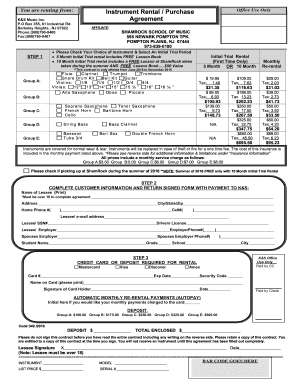
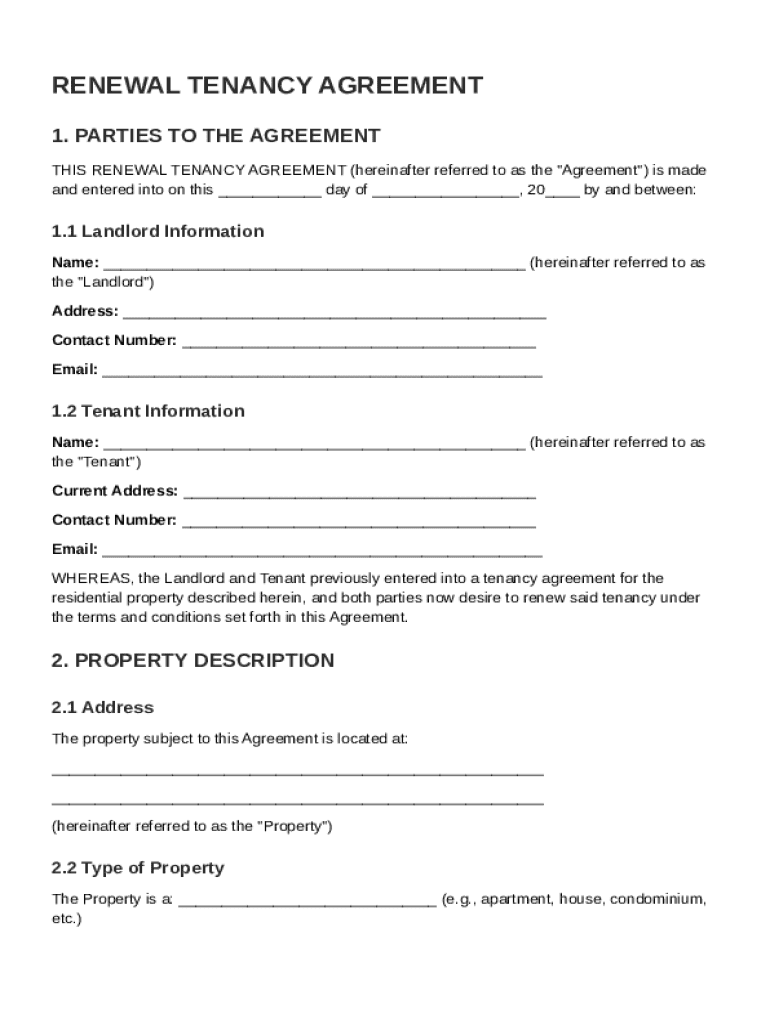
A Renewal Tenancy Agreement Template is a structured document that outlines the terms and conditions under which an existing rental agreement is extended. This template serves as a framework for landlords and tenants looking to continue their lease beyond the original term. The document ensures that both parties mutually agree on updated terms, such as changes in rent, duration of the tenancy, or any amendments related to the obligations of either party.
- Purpose: This template is designed to offer clarity and legal backing when renewing lease agreements.
- Applicability: It can be used for residential and commercial leases, depending on the requirements of the landlord and tenant.
- Flexibility: Details can be customized to reflect the specific needs and conditions agreed upon by both parties involved.
Key Elements of the Renewal Tenancy Agreement Template
The template comprises several critical sections, each capturing essential aspects of the renewed tenancy.
- Parties Involved: Identifies the landlord and tenant by full name and contact information.
- Property Description: Provides a detailed description of the property, including the address and any other pertinent identifiers.
- Renewal Term: Specifies the duration for which the tenancy is renewed, often including the start and end dates.
- Rent Terms: Outlines the new rent amount and payment schedule, including any changes from the previous agreement.
- Security Deposit Conditions: Details any adjustments to the security deposit requirements, refund conditions, or additional fees.
- Obligations: Describes the responsibilities of both parties, such as maintenance duties, utility payments, or insurance requirements.
- Termination and Extensions: Defines the procedures for terminating the agreement or extending it further.
How to Use the Renewal Tenancy Agreement Template
Utilizing the Renewal Tenancy Agreement Template effectively involves several key steps to ensure all necessary information is captured accurately.
- Customization: Begin by filling in the specific details related to the lease, such as party names, property specifics, and lease term.
- Review Existing Agreement: Compare terms from the previous lease to ensure continuity or highlight changes.
- Legal Considerations: Consider consulting with a legal advisor to ensure compliance with local laws.
- Signatures: Both parties should sign the agreement to make it legally binding.
- Distribution: Provide copies to all involved parties, retaining a version for record-keeping.
Steps to Complete the Renewal Tenancy Agreement Template
Completing the agreement template requires attention to detail. Here's a step-by-step guide:
- Gather Information: Collect all necessary details, including the original lease agreement and any updates.
- Fill Out the Template: Input all relevant information into the template, ensuring accuracy.
- Review and Revise: Check for errors or omissions, revising as necessary to reflect all agreed-upon changes.
- Consultation: Engage with legal counsel if required for additional verification.
- Approval and Execution: Both parties must review and agree on the terms, followed by signatures to formalize the agreement.
- Maintain a Record: Ensure proper filing of the completed and signed documents for future reference.
Who Typically Uses the Renewal Tenancy Agreement Template
The Renewal Tenancy Agreement Template is utilized by a variety of individuals and entities, each with specific needs and contexts.
- Landlords: Use the template to ensure continued rental income and consistency in tenant conditions.
- Tenants: Utilize the agreement to secure housing stability and clarity in lease terms.
- Property Managers: Facilitate lease renewals across multiple properties, ensuring compliance and organization.
- Real Estate Agents: Assist clients in extending leases with clarity and professional standards.


State-Specific Rules for the Renewal Tenancy Agreement Template
Different states have unique legal requirements for tenancy agreements. It's crucial to consider these when using the template:
- Rent Control Laws: Some states have laws that limit rent increases, which should be reflected in the renewal.
- Lease Term Regulations: States may dictate minimum or maximum lease terms for renewals.
- Security Deposit Limits: There are often regulations about the amount that can be requested as a security deposit.
Important Terms Related to Renewal Tenancy Agreement Template
Understanding the terms associated with this agreement is essential for clarity and compliance.
- Lease Term: The fixed period for which the lease is valid.
- Amendment: Modifications to the initial lease, often included in renewals.
- Notice Period: The amount of time needed to inform about termination or changes.
- Holdover Tenant: A tenant who remains in the property after the lease term has expired without formal renewal.
Examples of Using the Renewal Tenancy Agreement Template
Real-world scenarios where the template is applied:
- Residential Lease Extension: A tenant has been reliable, and the landlord offers a renewal with slightly increased rent.
- Commercial Property Renewal: A business wishes to maintain its premises, and the original lease terms are updated to reflect current market conditions.
- Amended Agreement for Changes: A tenant requests additional features or services, such as parking, and these are added to the renewal document.
Legal Use of the Renewal Tenancy Agreement Template
The rental renewal agreement is legally binding, ensuring the rights and obligations of both landlord and tenant are upheld. Compliance with state-specific regulations is crucial for enforceability. When drafted correctly, the agreement protects both parties, providing a clear framework for continuation or resolution of the lease. Legal advice may be sought to ensure the document meets all statutory requirements and adequately reflects the intentions of the parties.