





Definition and Meaning of the Resident Landlord Tenancy Agreement Template
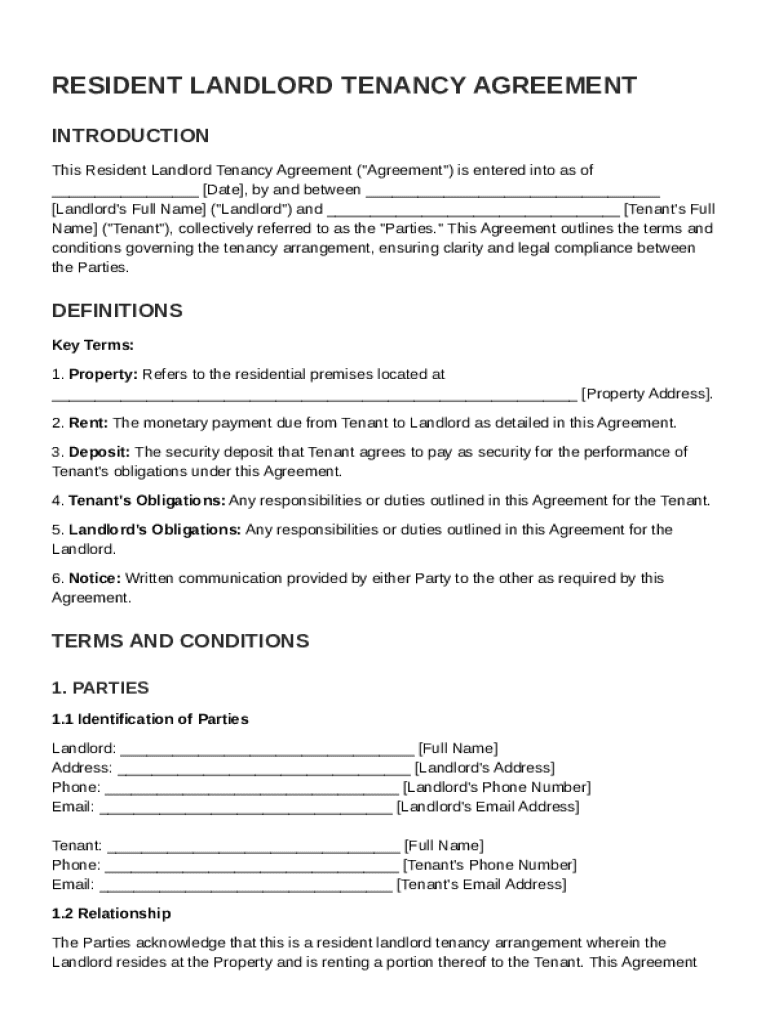
The Resident Landlord Tenancy Agreement Template serves as a legal framework for establishing a shared living arrangement between a landlord and tenant. This document outlines essential terms, such as property specifications, duration of tenancy, rent amount, and deposit details. It also delineates the responsibilities and rights of each party, covering aspects like utility payments, permissible property alterations, and protocol for dispute resolution. The primary purpose of this agreement is to ensure legal compliance and create a structured living arrangement that respects the privacy and requirements of both the landlord and tenant.
How to Use the Resident Landlord Tenancy Agreement Template
To effectively use the Resident Landlord Tenancy Agreement Template, follow these steps:
-
Gather Information: Collect necessary details, including tenant information, property address, and terms of tenancy.
-
Customizing the Template: Use the form to input specifics such as rental amounts, deposit details, and any special terms agreed upon by both parties.
-
Review with Parties Involved: Ensure both the landlord and tenant review the document thoroughly to understand all obligations and terms before signing.
-
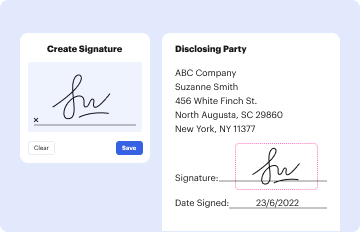
Incorporate Signatures: Utilize electronic signature capabilities provided by platforms like DocHub to secure legally binding endorsements from both parties.
-
Distribute Final Agreement: Share copies with all involved stakeholders, detailing any additional documents referenced in the agreement.
Practical Example
Imagine a landlord named John is renting a room to Mary. John fills out the template with all necessary details: Mary’s personal information, rent amount, deposit and utility arrangements, and a clause for dispute resolution. Both parties read through the terms and sign electronically through a service like DocHub.
Important Terms Related to the Resident Landlord Tenancy Agreement Template
Understanding specific terms used in the Resident Landlord Tenancy Agreement Template is crucial for its effective implementation:
-
Tenancy Duration: Specifies the length of the rental period, which can be fixed-term or monthly.
-
Rent Payment Structure: Details when rent is due and acceptable payment methods.
-
Deposit Provisions: Outlines conditions under which a deposit may be retained or returned.
-
Alteration Clauses: Dictates any modifications allowed on the property by the tenant.
-
Dispute Resolution: Procedures for addressing any disagreements between the landlord and the tenant.
Key Elements of the Resident Landlord Tenancy Agreement Template
A comprehensive Resident Landlord Tenancy Agreement Template includes several vital components to ensure clarity and enforceability:
-
Personal Details of Parties Involved: Names and contact information for both landlord and tenant.
-
Property Description: Includes address, boundaries, and any shared facilities.
-
Financial Obligations: Specifics on rent, deposit, and other charges, such as utility payments.
-
Responsibilities: Clearly defined maintenance and repair duties.
-
Legal Compliance: Adherence to local housing laws and regulations.
Steps to Complete the Resident Landlord Tenancy Agreement Template
Completing the template can be a straightforward process when following systematic steps:
-
Review Template: Begin by familiarizing yourself with the template structure and required details.
-
Input Information: Fill out sections requiring tenant and property information, and specify terms like rent and duration.
-
Verify Terms: Ensure all terms are clear and mutually agreeable. Adjust if necessary.
-
Sign the Document: Use a platform like DocHub to apply electronic signatures.
-
Retain Copies: Maintain copies for both parties for reference and enforcement.
Real-World Scenario
A landlord in San Francisco uses DocHub to complete a tenancy agreement form with their new tenant, a student at a nearby university. They ensure all sections are clearly defined and agree on terms before applying their electronic signatures. Both parties receive a final copy for their records.
Legal Use of the Resident Landlord Tenancy Agreement Template
The legal use of this template is crucial in safeguarding tenant and landlord interests:
-
Binding Contracts: Proper completion and signing of this document turn it into a legally binding contract between parties.
-
Enforceability: Outlines consequences for breaches and methods of legal recourse.
-
Compliance with Local Laws: It is critical that the agreement aligns with state and federal housing regulations to avoid disputes.
Who Typically Uses the Resident Landlord Tenancy Agreement Template
This template is widely used among:
-
Landlords and Property Managers: Individuals or businesses leasing out parts of residential properties.
-
Tenants: Those entering into lease agreements for shared housing situations.
-
Real Estate Professionals: Agents and legal advisors who prepare rental agreements for clients.


State-Specific Rules for the Resident Landlord Tenancy Agreement Template
Each state may have unique legal requirements and variations:
-
Security Deposit Limits: States might impose different maximum security deposits.
-
Notice Periods for Termination: Varying notification requirements for lease terminations exist across states.
-
Tenant Rights: Diverse tenant protection laws and conditions for eviction.
Example
In California, there may be more stringent requirements regarding disclosures and tenant protection which must be factored into any agreed terms or clauses within the template, ensuring compliance with the state's housing laws.